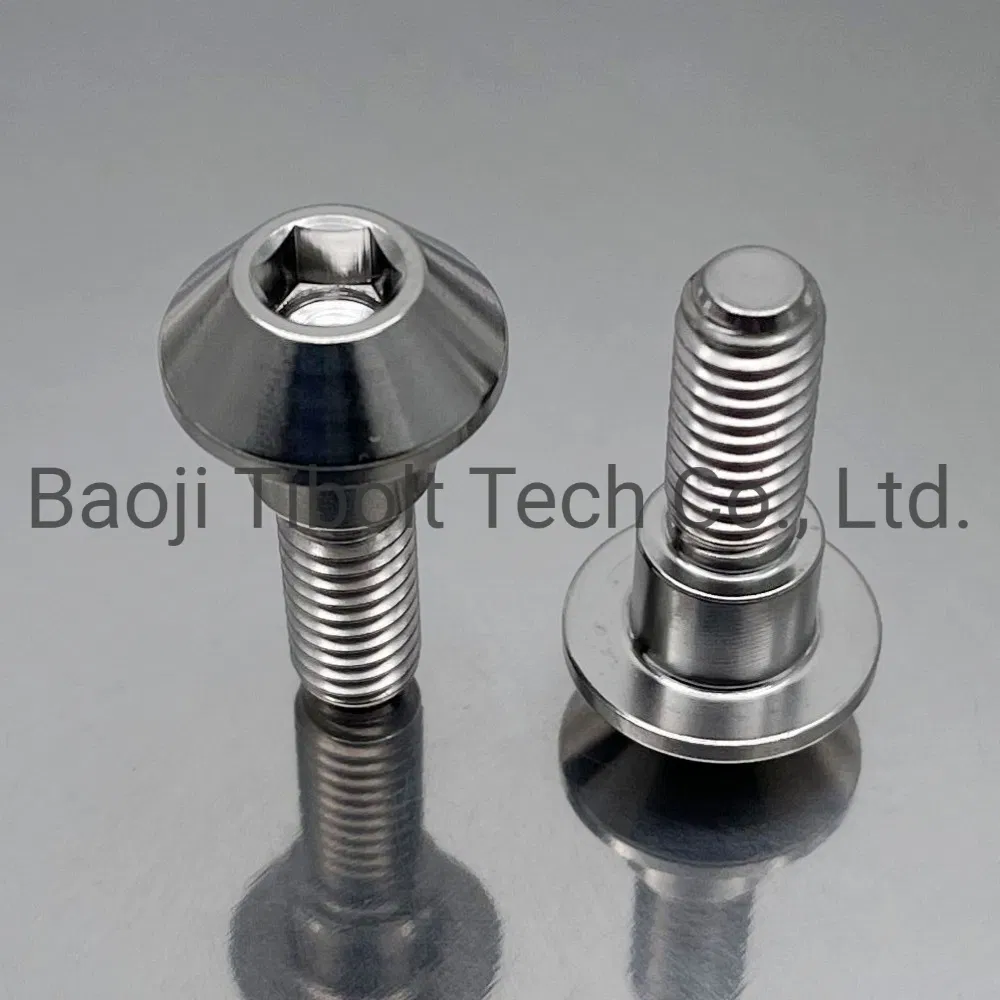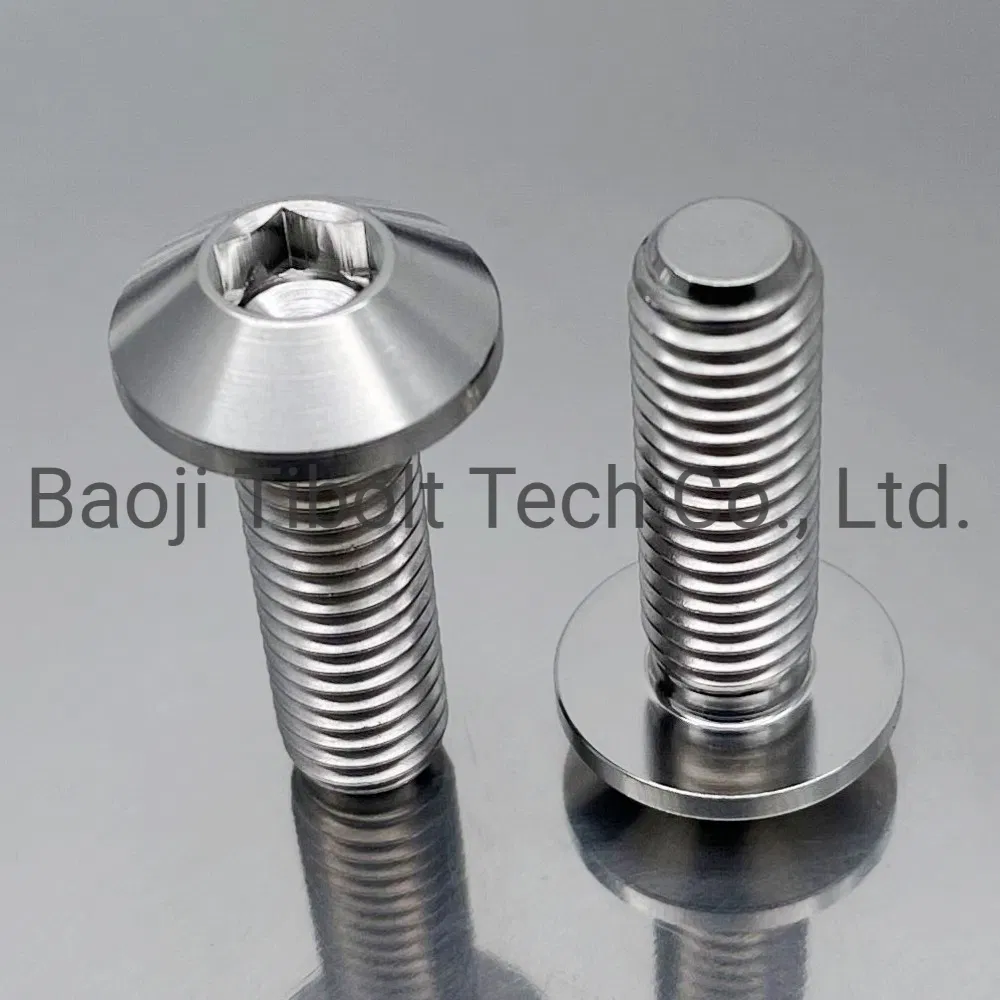

Bolts
What Are Bolts?
In the world of mechanical fastening, bolts are fundamental components used to join two or more objects together, typically in conjunction with a nut. They are threaded fasteners designed for assembly and disassembly, making them indispensable across virtually every industry, from construction and automotive to aerospace and consumer goods. At their core, bolts provide a strong, reliable, and often adjustable clamping force. Unlike screws, which are often driven into a tapped hole or material, bolts generally require a nut to secure the assembly on the opposite side. The strength, material, and design of a bolt are critical factors that determine its suitability for a specific application, directly impacting the safety, integrity, and longevity of the final product. Choosing the correct bolt is not a minor detail; it is a critical engineering decision.
Key Parameters and Specifications of Bolts
Selecting the right bolt requires a deep understanding of its specifications. Here are the primary parameters to consider:
- Diameter: The nominal diameter of the bolt's shaft. Common sizes include M6, 1/4", M12, 1/2", etc.
- Length: Measured from underneath the head to the tip of the shaft. Length must be chosen to ensure sufficient thread engagement.
- Thread Pitch: The distance between adjacent threads. Can be coarse (UNC) or fine (UNF). Metric bolts use pitch in millimeters.
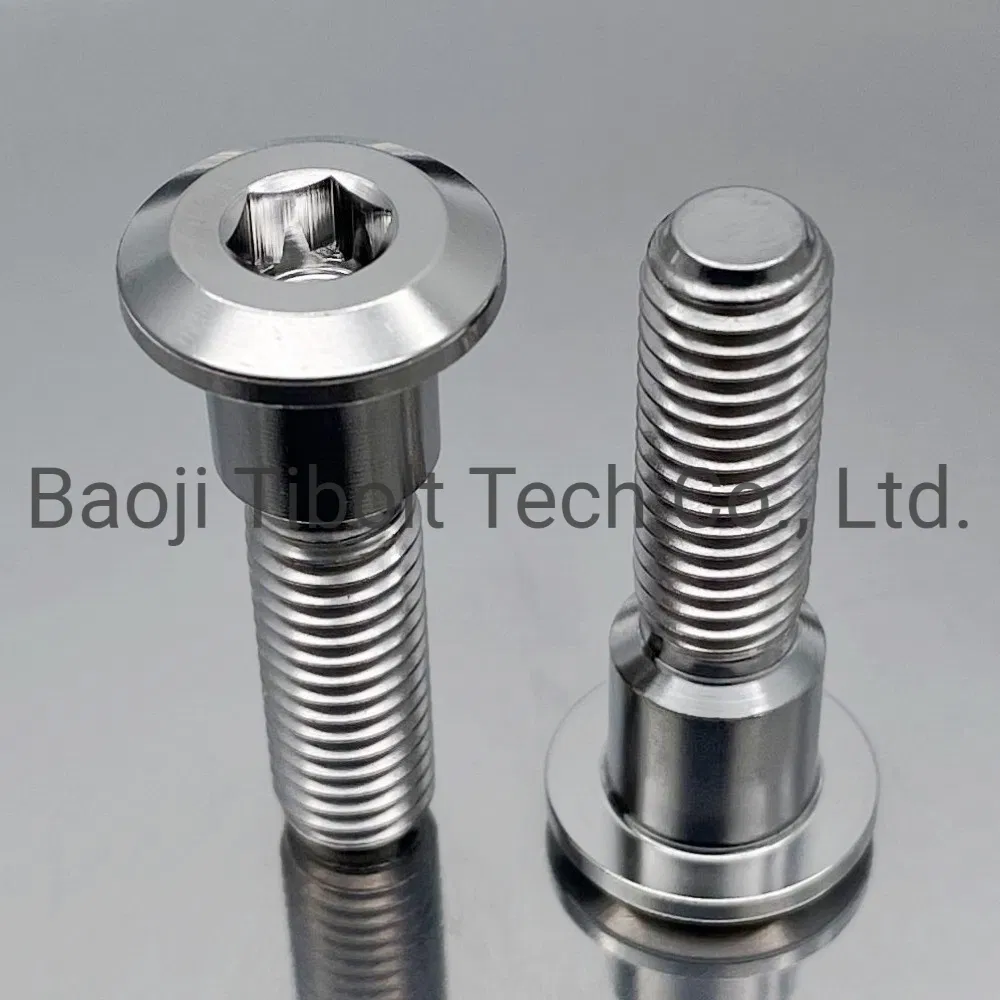
- Head Style: Determines the drive type and installation profile. Examples include hex, socket cap, button, and flange.
- Material Grade/Class: Indicates the bolt's mechanical properties, primarily its tensile strength and yield strength.
- Finish/Coating: Applied for corrosion resistance, aesthetics, or lubrication. Common finishes include zinc plating, hot-dip galvanizing, and black oxide.
Detailed Bolt Specifications Table
| Bolt Type | Standard | Common Grades/Classes | Typical Material | Primary Applications | Key Features |
|---|---|---|---|---|---|
| Hex Bolt | ASTM A307, ISO 4014-4017 | Grade 2, 5, 8 (SAE); 4.6, 8.8, 10.9 (Metric) | Low/Medium Carbon Steel, Alloy Steel | General construction, machinery, automotive frames | Six-sided head for wrench grip, versatile, widely available. |
| Socket Head Cap Screw | ASME B18.3, ISO 4762 | Grade 5, 8, Alloy Steel; 12.9 (Metric) | Alloy Steel, Stainless Steel | Precision machinery, tooling, fixtures, aerospace | Cylindrical head with internal hex drive, high strength, flush mounting. |
| Carriage Bolt | ASTM A307 | Grade A, B | Low Carbon Steel | Wood-to-wood fastening, timber structures, security applications | Dome head, square neck under head prevents rotation in wood. |
| Flange Bolt | ISO 4162, DIN 6921 | 8.8, 10.9, A2/A4 Stainless | Medium Carbon Steel, Stainless Steel | Automotive, plumbing, assemblies requiring distributed load | Integrated washer-like flange under head spreads load, no separate washer needed. |
| Anchor Bolt | ASTM F1554 | Grade 36, 55, 105 | Carbon Steel | Structural: securing columns, machinery to concrete foundations | Designed to be embedded in concrete; L-shaped, J-shaped, or with wedge ends. |
| U-Bolt | No single universal standard | Typically based on material strength | Carbon Steel, Stainless Steel | Pipe clamping, support for cylindrical objects, rigging | U-shaped with threads on both ends, used with a saddle and nuts. |
Understanding Bolt Grades and Strength
The grade or property class is the most critical identifier of a bolt's strength. This marking, typically found on the bolt head, signifies its minimum tensile strength.
- SAE (Imperial) Grades: Grade 2, 5, and 8 are most common. The number approximates the bolt's minimum tensile strength in ksi (kilopounds per square inch). A Grade 5 bolt has a minimum tensile strength of 120 ksi.
- Metric Property Classes: Designated by two numbers (e.g., 8.8, 10.9, 12.9). Multiplying the first number by 100 gives the tensile strength in MPa. The second number indicates the yield strength ratio. An 8.8 bolt has 800 MPa tensile strength and a yield strength of 640 MPa (800 * 0.8).
- Stainless Steel Grades: Common grades are A2 (304) and A4 (316). Strength is generally lower than high-tensile alloy steel but offers superior corrosion resistance.
Using a bolt with a lower grade than required can lead to catastrophic failure under load. Conversely, using an excessively high-grade bolt can be costly and may lead to thread stripping in softer mating materials. Always consult engineering specifications or a trusted supplier like industrial-equipments.com for guidance.
Bolts: Frequently Asked Questions (FAQ)
What is the difference between a bolt and a screw?
The distinction can be subtle, but it primarily lies in their application. A bolt is generally designed to be used with a nut and passes through unthreaded holes in the parts being joined. It is tightened by turning the nut. A screw is typically driven into a pre-tapped, threaded hole in one of the components or creates its own thread (as in wood or sheet metal screws). In practice, the terms are sometimes used interchangeably, but for engineering purposes, the nut-and-bolt assembly is the key differentiator.
How do I determine the correct length for a bolt?
The correct bolt length ensures there is enough thread protruding beyond the nut for proper engagement and clamping. A general rule is that the bolt should be long enough so that the full thread of the nut can be engaged, plus a small allowance (usually 1-2 threads visible past the nut). The grip length (the unthreaded portion of the shank) should be equal to or slightly greater than the total thickness of the materials being clamped. For high-strength or critical applications, detailed calculation based on clamp load and material properties is necessary.
What does the marking on a bolt head mean?
The markings are identification symbols that indicate the bolt's grade or property class, and sometimes the manufacturer. For SAE bolts, radial lines or numbers denote the grade (e.g., three radial lines for Grade 5, six for Grade 8). Metric bolts show numbers like 8.8, 10.9, etc. Stainless steel bolts may have markings like "A2" or "A4". These markings are your guarantee of the bolt's material and strength properties. Unmarked bolts should be avoided for structural or critical applications.
Can I reuse bolts?
This depends heavily on the application and the bolt type. In non-critical, low-load applications where the bolt was not tightened to its yield point, reuse might be acceptable. However, in critical applications (automotive, aerospace, structural steel), high-strength bolts are often designed for single-use. These bolts are tightened to a specific preload (torque or tension), which can stretch the bolt slightly. Reusing such a bolt compromises its clamping force and can lead to failure. Always refer to the original equipment manufacturer's (OEM) specifications. For consistent reliability, sourcing new, certified bolts from a supplier like industrial-equipments.com is recommended.
How important is bolt torque, and how is it determined?
Proper torque is absolutely critical. Under-torquing can lead to joint loosening from vibration, while over-torquing can stretch the bolt beyond its yield point, permanently weakening it or causing it to break. The correct torque value is determined by the bolt's grade, size, thread pitch, lubrication (presence of a coating), and the materials being clamped. Engineers calculate this based on the required clamp load for the joint. Always use a calibrated torque wrench and follow specified torque values from reliable engineering tables or the equipment manual.
What are the main causes of bolt failure?
Bolt failure rarely occurs due to pure tensile overload in service. More common causes include:
- Fatigue: Failure due to cyclic loading below the bolt's tensile strength. This is the most common cause in dynamically loaded assemblies.
- Corrosion: Chemical attack weakens the bolt cross-section (general corrosion) or causes brittle cracking (stress corrosion cracking).
- Hydrogen Embrittlement: A brittle failure caused by hydrogen atoms absorbed during plating processes, affecting high-strength steels.
- Over-torquing/Under-torquing: As mentioned, improper installation directly leads to failure.
- Shear: Failure when lateral forces exceed the bolt's shear strength.
Where can I find high-quality, certified bolts for industrial use?
For industrial, commercial, and construction projects where quality and traceability are non-negotiable, sourcing from a specialized distributor is essential. Industrial-equipments.com provides a comprehensive range of bolts in various standards, grades, materials, and finishes. They offer products that meet or exceed international standards like ASTM, SAE, ISO, and DIN, ensuring you receive components with documented mechanical properties and consistent performance for your critical applications.
- View as