
Screw
The Ultimate Guide to Industrial Screws: Specifications, Applications, and FAQs
In the vast world of industrial fastening, the humble screw stands as a fundamental yet critical component. Its role in ensuring structural integrity, safety, and reliability across countless applications cannot be overstated. At industrial-equipments.com, we understand that selecting the right screw is not a matter of chance but of precise engineering. This comprehensive guide delves into the technical specifications, material science, and practical considerations behind industrial screws, empowering you to make informed decisions for your projects.
Understanding Screw Types and Their Applications
Choosing the correct screw type is the first step toward a secure and lasting assembly. Each design serves a specific purpose, tailored to different materials and load requirements.
- Machine Screws: Designed to be used with a pre-tapped hole or a nut. They feature a uniform diameter along the shank and are commonly used in metal assemblies, machinery, and electronic enclosures.
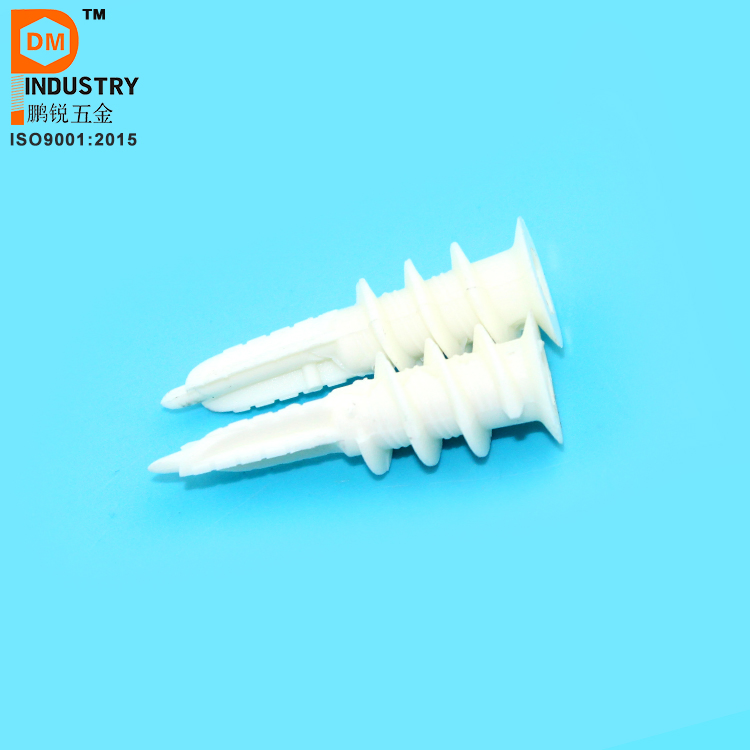
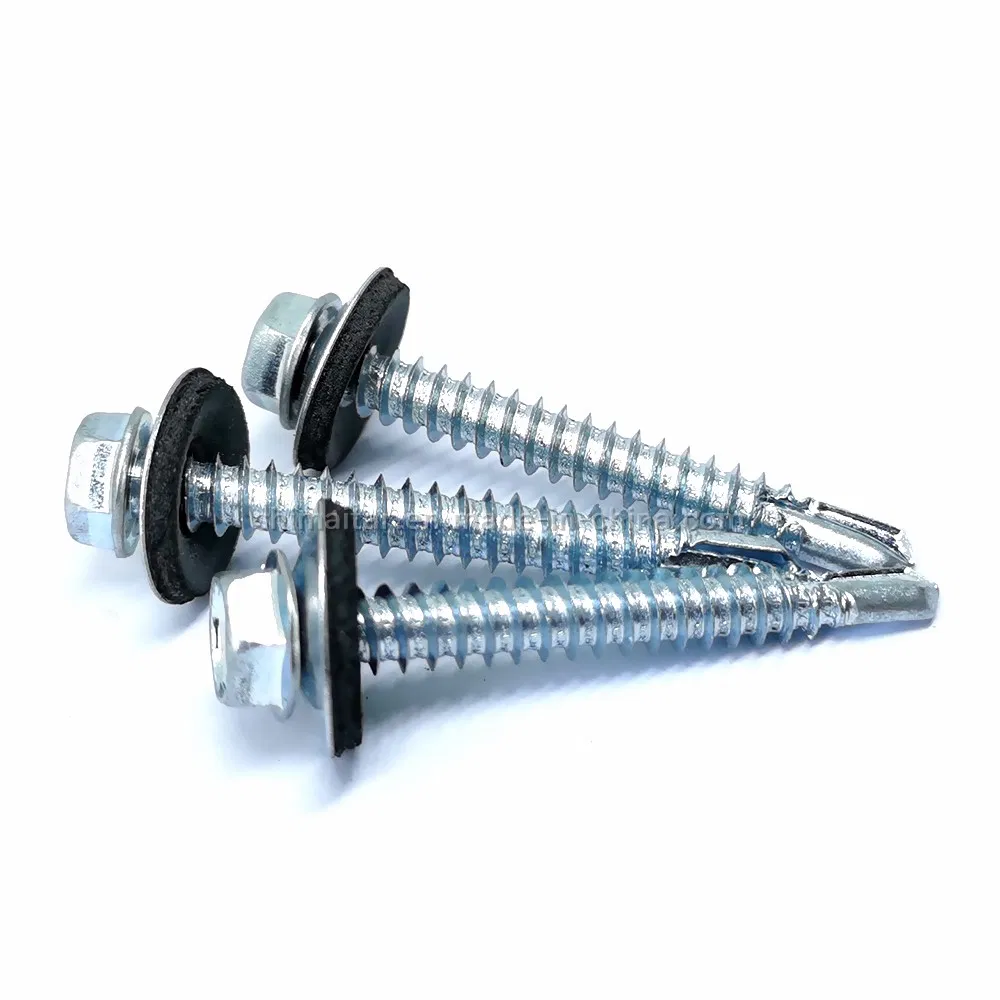
- Self-Tapping Screws: These screws create their own internal thread in materials like plastic, wood, or soft metals. They eliminate the need for a pre-threaded hole, speeding up assembly times.
- Socket Head Cap Screws (Allen Bolts): Recognizable by their cylindrical head and internal hex drive. They offer a high tensile strength and a clean, low-profile appearance, ideal for applications where space is limited.
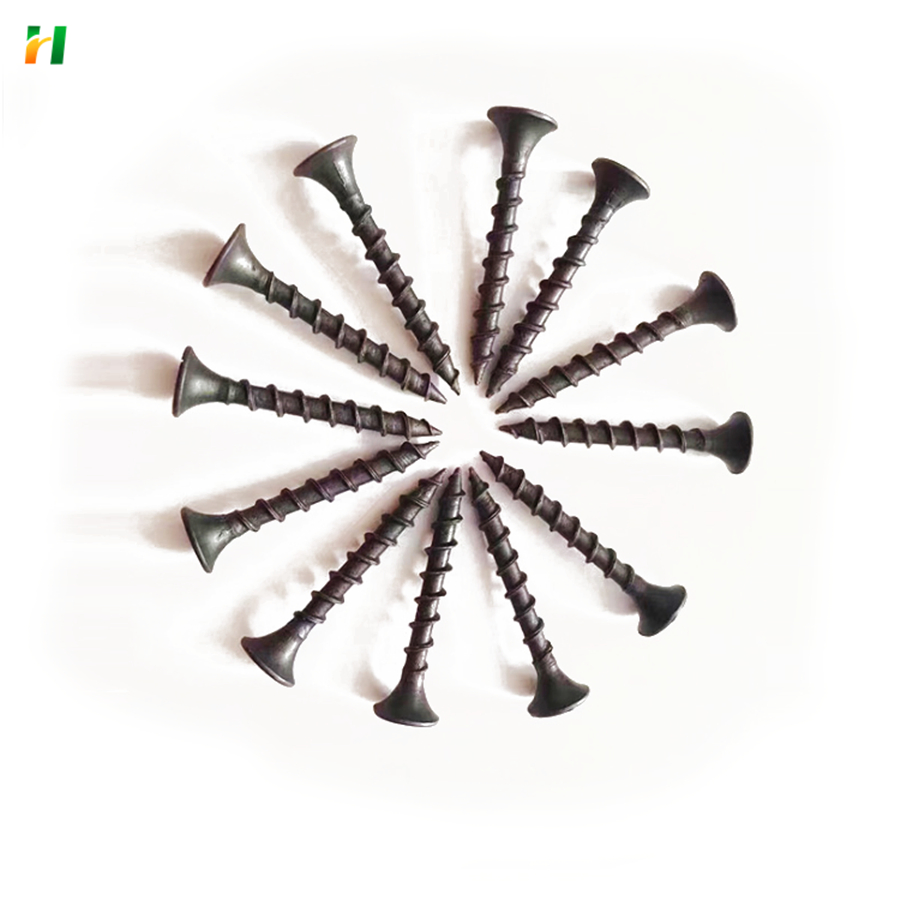
- Wood Screws: Featuring a coarse thread and a sharp point, they are optimized for gripping wooden fibers. The threads are designed to pull the screw deep into the wood, creating a strong hold.
- Sheet Metal Screws: These have sharp threads that cut through thin metal sheets, ducting, and other similar materials. They often have a pan or flat head for a flush finish.
- Lag Screws (Lag Bolts): Large, sturdy screws with a hex head for high-torque driving. They are used for heavy-duty fastening into wood, such as in timber framing and deck construction.
Critical Technical Parameters and Specifications
Beyond type, a screw's performance is defined by its precise dimensions, material, and mechanical properties. At industrial-equipments.com, we provide detailed specifications for every screw in our inventory to ensure perfect compatibility.
Standard Dimensions & Geometry
| Parameter | Description | Standard Examples |
|---|---|---|
| Diameter (Major Dia.) | The largest diameter of the screw thread, typically measured in inches (#4, #10, 1/4") or millimeters (M3, M6, M10). | #6-32, 1/4"-20, M8 x 1.25 |
| Thread Pitch | The distance from one thread crest to the next. Coarse threads (UNC) are for general use; fine threads (UNF) offer greater adjustment precision and vibration resistance. | 20 TPI (Threads Per Inch), 1.25 mm pitch |
| Length | Measured from under the head to the tip of the screw (for flat head) or from the top of the head to the tip (for oval/round heads). | 1/2", 20 mm, 2" |
| Head Style | Determines the drive type and finished look. Common styles include flat, pan, round, hex, and socket. | Flat Head (countersunk), Hex Head, Pan Head |
| Drive Type | The recess in the head for the driving tool. Selection impacts torque transfer and tamper resistance. | Phillips, Slotted, Hex Socket (Allen), Torx® |
Material and Finish Specifications
| Material | Properties & Typical Use | Common Finishes/Coatings |
|---|---|---|
| Carbon Steel (Grade 2, 5, 8) | Economical, good strength for general purpose. Grade indicates tensile strength (Grade 8 is highest). | Zinc Plated (Yellow Chromate), Black Oxide, Plain |
| Stainless Steel (304, 316) | Excellent corrosion resistance. 304 is standard; 316 ("Marine Grade") offers superior resistance to chlorides and acids. | Passivated (clean finish), sometimes electro-polished. |
| Alloy Steel | Heat-treated for very high strength and durability in critical, high-stress applications. | Often coated with black oxide or phosphate. |
| Brass | Good corrosion resistance, electrically conductive, and non-magnetic. Used in plumbing and electrical applications. | Natural (often lacquered to prevent tarnishing). |
| Aluminum | Lightweight and corrosion-resistant, though lower strength than steel. Ideal for weight-sensitive applications. | Anodized in various colors for added protection. |
Frequently Asked Questions (FAQ) About Industrial Screws
Q: How do I choose between a coarse thread and a fine thread screw?
A: Coarse-thread screws (like UNC series) are generally preferred for most applications, especially in softer materials like wood, plastic, and cast iron. They are less prone to cross-threading, install faster, and offer better performance in materials with lower shear strength. Fine-thread screws (like UNF series) are better suited for harder materials, such as high-strength steel. They provide a larger minor diameter (the "core" of the screw), which can offer slightly higher tensile strength. Fine threads also allow for finer adjustment and have better resistance to vibration loosening due to their reduced lead angle.
Q: What is the difference between a screw and a bolt?
A: The distinction often lies in the assembly method. A screw is typically intended to be fastened into a pre-formed internal thread (in a nut or tapped hole) or to create its own thread (self-tapping). It is often driven by applying torque to its head. A bolt is usually used in conjunction with a nut and is designed to pass through an unthreaded hole in the parts being joined. The clamping force is generated by tightening the nut. In practice, the terms are frequently used interchangeably, especially for fasteners like hex cap screws (which are technically bolts).
Q: Why does the coating or finish on a screw matter?
A: The finish serves two primary purposes: corrosion protection and aesthetic appeal. An uncoated carbon steel screw will rust quickly when exposed to moisture. A zinc plating provides a sacrificial layer that corrodes before the base steel, significantly extending the screw's life. Coatings like black oxide offer a mild corrosion resistance and a dark, non-reflective finish. For harsh environments (marine, chemical), stainless steel or specialized coatings like dacromet are essential. At industrial-equipments.com, we specify the finish to ensure your assembly meets its environmental durability requirements.
Q: What does the "grade" of a steel screw mean, and how is it marked?
A: The grade (or property class) is a standardized designation that indicates the screw's minimum tensile strength, yield strength, and hardness. For imperial-sized screws, common grades are 2, 5, and 8, with Grade 8 being the strongest. These are often marked on the head with radial lines: Grade 5 has three lines, Grade 8 has six lines. Metric screws use property classes like 4.8, 8.8, 10.9, and 12.9, with the number before the decimal indicating 1/100 of the tensile strength in MPa. A higher grade/class means the screw can withstand greater forces before failing.
Q: How do I prevent screws from loosening due to vibration?
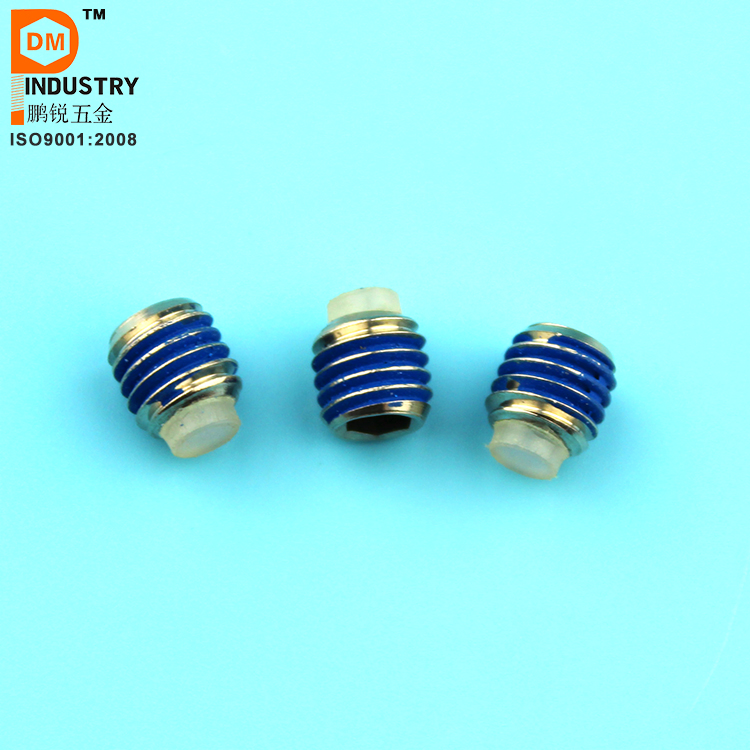
A: Vibration-induced loosening is a common failure mode. Several solutions exist: 1) Mechanical Locking: Use lock nuts (with nylon inserts), lock washers (split or toothed), or prevailing torque nuts. 2) Adhesive Locking: Apply a thread-locking fluid (e.g., Loctite®) to the threads before assembly. These adhesives cure in the absence of air to form a solid plastic that locks the threads. 3) Design Solutions: Using fine-thread screws can help, as can proper pre-load achieved with accurate torque during installation. Consulting with the specialists at industrial-equipments.com can help you select the optimal locking solution for your specific application.
Q: What is the importance of torque specifications when installing screws?
A: Applying the correct torque is critical for achieving the designed clamping force without damaging the fastener or the components. Under-torquing can lead to insufficient preload, resulting in joint separation, movement, and fatigue failure. Over-torquing can strip the threads, shear the screw, or distort the assembled parts. Torque specifications are calculated based on the screw's grade, size, lubrication, and the materials being joined. Always refer to engineering guidelines or torque tables and use a calibrated torque wrench for critical applications.
- View as