
Vacuum Pump
The Definitive Guide to Industrial Vacuum Pumps: Technology, Specifications, and Selection
For two decades, optimizing industrial operations has hinged on selecting the right core equipment. A Vacuum Pump is not merely a component; it is the heart of countless processes across manufacturing, packaging, medical, and research sectors. At industrial-equipments.com, we combine decades of engineering expertise with a deep understanding of application demands to provide solutions that guarantee reliability, efficiency, and longevity. This guide delves into the technical specifications, operational parameters, and critical FAQs to empower your purchasing decision.
Core Technologies and Working Principles
Understanding the fundamental technology behind your vacuum pump is the first step toward optimal performance. Different principles cater to specific pressure ranges and purity requirements.
- Positive Displacement Pumps (e.g., Rotary Vane, Piston, Diaphragm): These pumps work by mechanically trapping a volume of gas and expelling it from the vacuum chamber. They are excellent for achieving rough to medium vacuum levels and are known for their robustness in industrial environments.
- Momentum Transfer Pumps (e.g., Turbomolecular, Diffusion): These pumps use high-speed jets or rotating blades to impart momentum to gas molecules, directing them toward the exhaust. They are essential for achieving high to ultra-high vacuum (UHV) in critical applications like semiconductor fabrication and space simulation chambers.
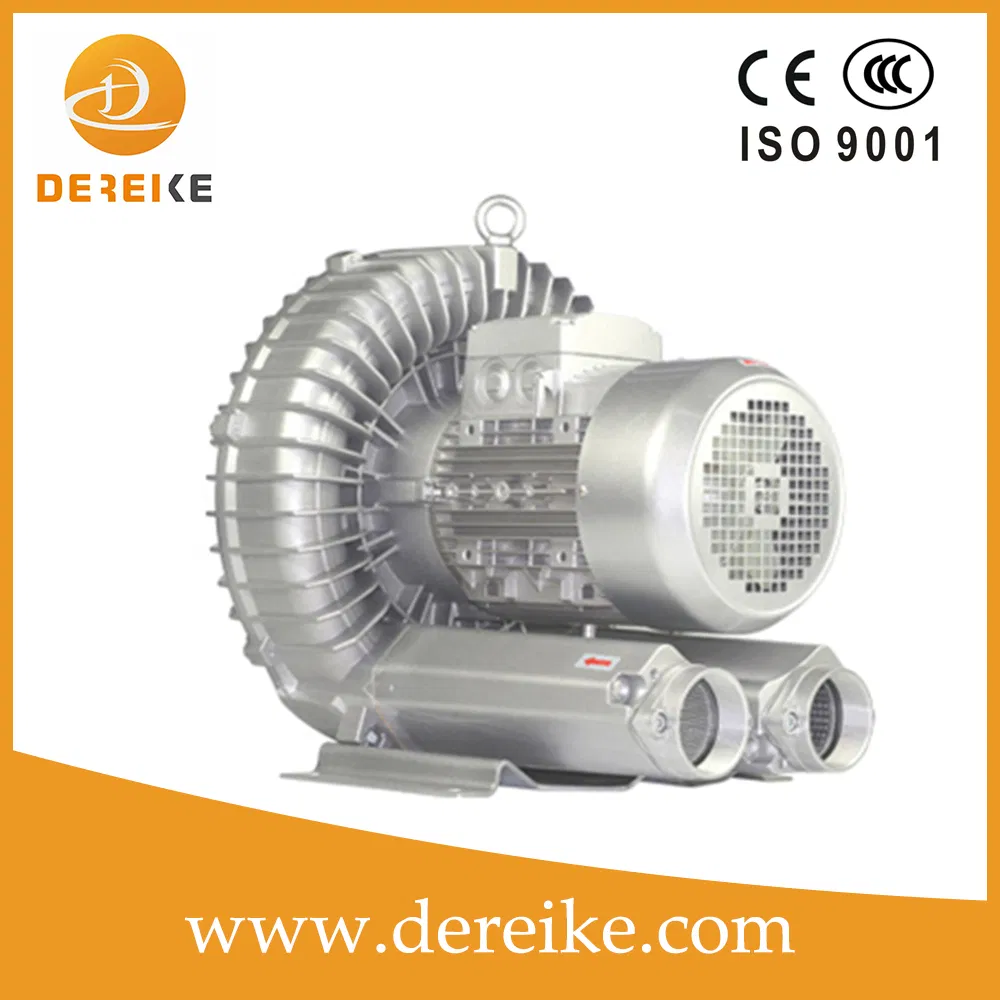
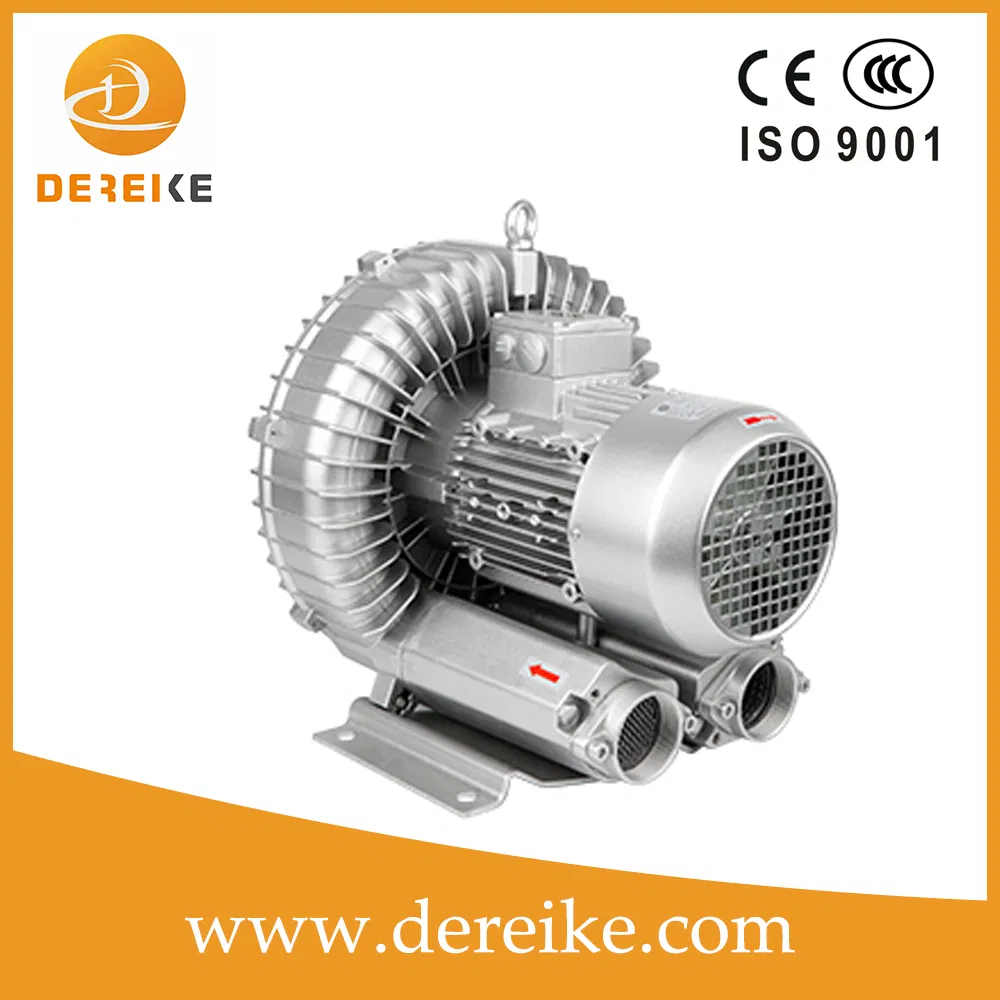
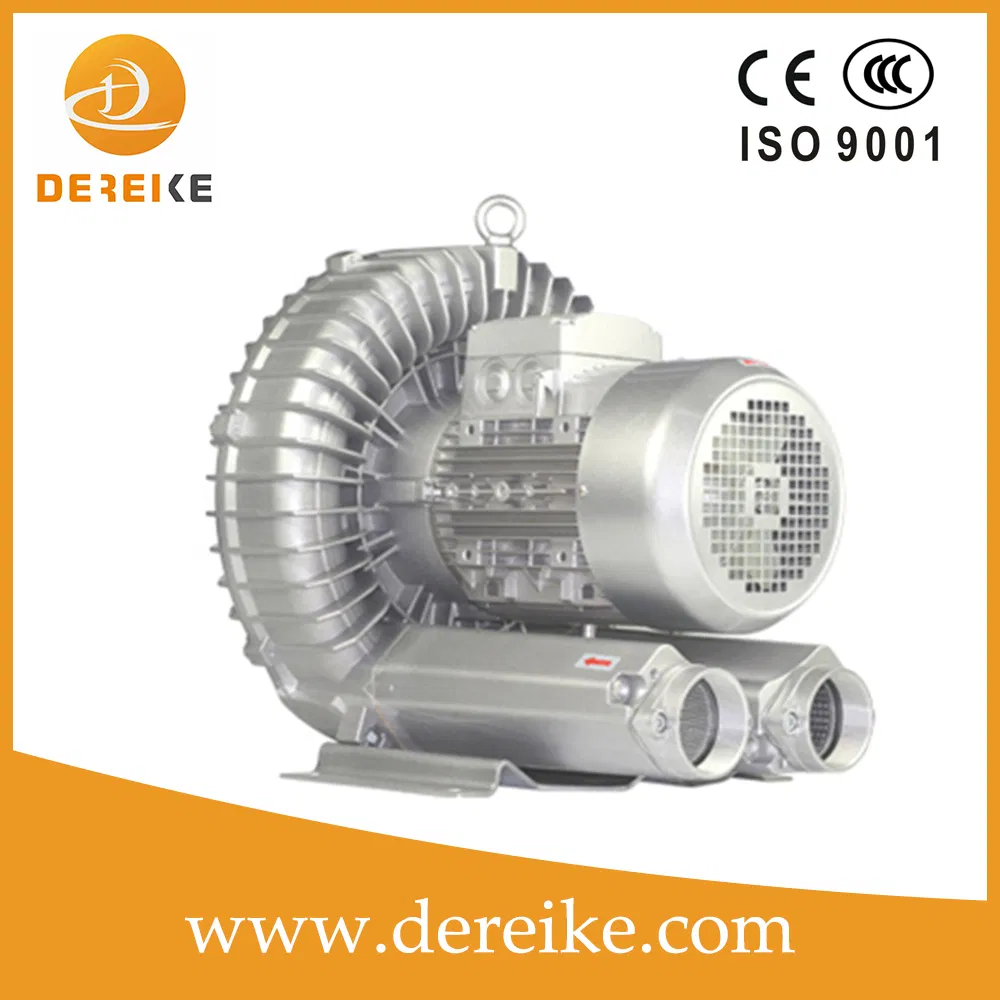
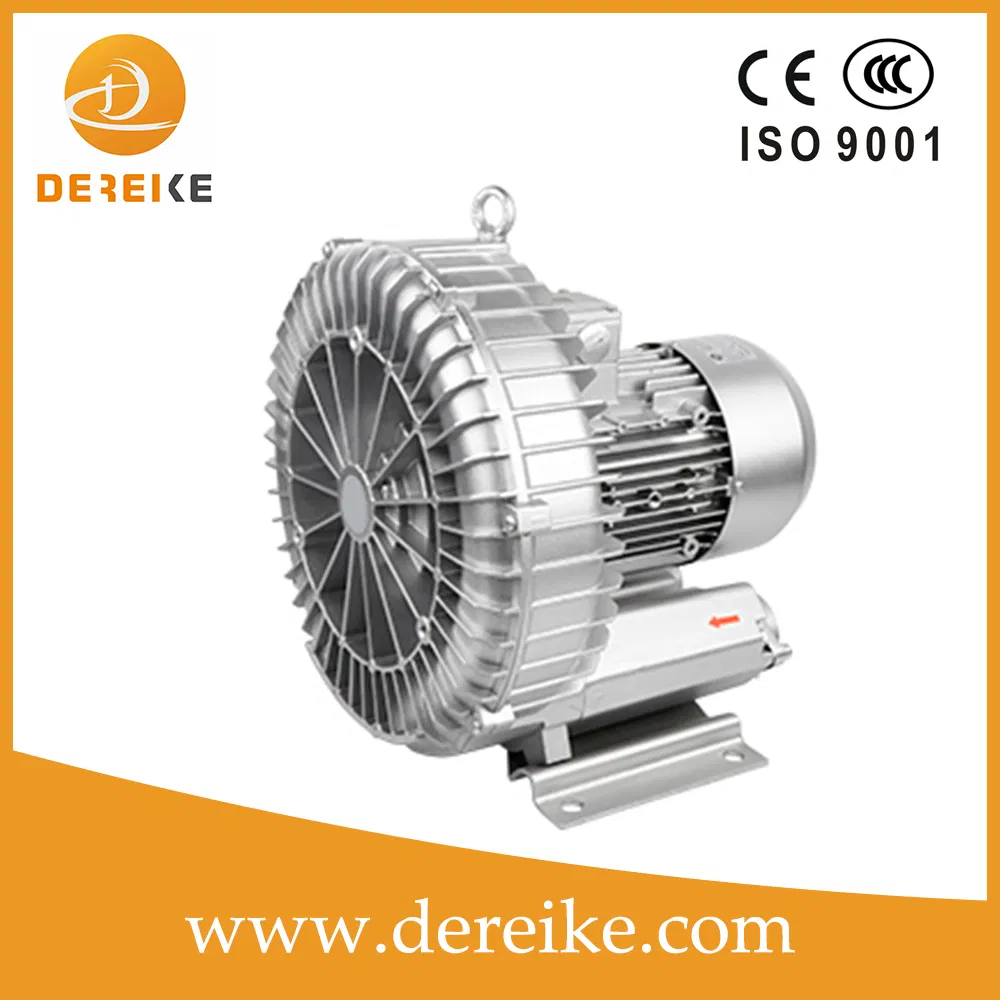
- Regenerative (or Side-Channel) Blowers: Often used for creating lower vacuum levels or pressure, these are ideal for applications requiring oil-free air and handling large volumes at relatively low differential pressures, such as in pneumatic conveying or wastewater treatment.
- Liquid Ring Pumps: Utilizing a rotating impeller within a casing partially filled with sealing liquid (often water), these pumps are exceptionally tolerant of wet or condensing process vapors and are a staple in chemical and pharmaceutical industries.
Detailed Product Specifications & Performance Data
At industrial-equipments.com, we provide transparent, detailed specifications to ensure perfect system integration. Below are the key parameters for our flagship series of industrial rotary vane vacuum pumps, a workhorse for general industry.
| Model Series | IE-RVP150 | IE-RVP300 | IE-RVP600 | IE-RVP1200 |
|---|---|---|---|---|
| Ultimate Vacuum (Absolute) | 0.5 mbar | 0.3 mbar | 0.2 mbar | 0.1 mbar |
| Free Air Displacement (CFM) | 5.3 CFM | 10.6 CFM | 21.2 CFM | 42.4 CFM |
| Motor Power (HP) | 1.5 HP | 3.0 HP | 5.5 HP | 10 HP |
| Inlet Port Diameter | DN 25 (1") | DN 32 (1.25") | DN 40 (1.5") | DN 50 (2") |
| Oil Capacity (Liters) | 0.7 L | 1.2 L | 2.5 L | 4.8 L |
| Sound Pressure Level | 68 dB(A) | 70 dB(A) | 72 dB(A) | 75 dB(A) |
| Cooling Method | Air Cooled | Air Cooled | Air Cooled | Air/Water Cooled |
For specialized applications, our product range extends to oil-free diaphragm pumps and high-vacuum systems. Key selection factors include:
- Required Pressure Level: From atmospheric (760 Torr) down to ultra-high vacuum (<10^-9 Torr).
- Flow Rate (Pumping Speed): The volume of gas moved per unit time, critical for process cycle times.
- Gas Composition: Corrosive, explosive, condensable, or particulate-laden gases require specific pump construction materials and designs.
- Oil-Free vs. Lubricated: Oil-free pumps eliminate contamination risk for sensitive processes (food, electronics), while lubricated pumps often offer higher performance and durability for general industrial use.
Vacuum Pump FAQ: Expert Answers to Common Questions
Q: What is the most important factor when selecting a vacuum pump for a new application?
A: The single most critical factor is accurately defining your process's required working vacuum level and the volume of gas (flow rate) that must be removed to achieve it within your cycle time. A pump too small will not reach the desired pressure or will take too long. A pump too large is an unnecessary capital and operating cost. Our specialists at industrial-equipments.com can help you calculate these parameters based on your chamber volume, desired pump-down time, and process gas load.
Q: How often should I change the oil in my rotary vane vacuum pump, and what are the signs it needs changing?
A: For standard mineral oil in a continuous duty cycle, a change every 3,000 operating hours or every 6 months is a typical baseline. However, this interval shortens significantly if the pump handles moisture, solvents, or abrasive dust. Key signs include a dark, milky, or sludgy appearance of the oil, a noticeable increase in pump temperature, a drop in ultimate vacuum performance, or unusual noise. Using high-quality, manufacturer-recommended oil from industrial-equipments.com is crucial for protecting internal components and maintaining efficiency.
Q: Can I use one vacuum pump for multiple, different applications in my facility?
A: It is possible but requires careful planning. You must ensure the pump's technology is compatible with all gases involved (e.g., a standard pump may not handle corrosive vapors). A dedicated inlet filter manifold and proper isolation valves are necessary to prevent cross-contamination. Furthermore, the pump must be sized for the most demanding application's pressure and flow requirements. For frequent switching between dissimilar processes, using a dedicated pump for each is often more reliable and protects your investment.
Q: What does "ultimate vacuum" mean, and why is my pump not reaching the level stated on the datasheet?
A: "Ultimate Vacuum" or "Final Vacuum" is the lowest attainable pressure the pump can reach under ideal laboratory conditions, measured at its inlet with no gas load (a blank-off test). In a real system, you will not reach this value due to several factors: virtual leaks (trapped volumes), real leaks in your piping/vessels, outgassing of materials inside the vacuum chamber, and the vapor pressure of process fluids or sealing oils. Regular maintenance, proper piping, and system bake-out can help you approach the pump's rated performance.
Q: What are the main differences between a liquid ring vacuum pump and an oil-sealed rotary vane pump?
A: The core difference is the sealing medium and its implications. A liquid ring pump uses a sealing liquid (often water) which provides excellent condensing capability for vapors and inherent tolerance to contamination, making it ideal for wet, dirty, or condensable gas streams. However, it consumes sealing liquid and creates wastewater. An oil-sealed rotary vane pump uses hydrocarbon oil for sealing, lubrication, and cooling. It typically achieves a lower ultimate vacuum and is more efficient for dry gas applications but risks oil contamination downstream and requires oil mist filtration and regular oil changes.
Q: Why is my vacuum pump overheating, and what should I do?
A: Overheating is a serious alarm. Common causes include insufficient or degraded oil (low level, wrong viscosity), clogged oil filter or strainer, blocked cooling fins or water lines, operating the pump at an inlet pressure higher than recommended (overloading the motor), or a damaged internal component causing excessive friction. Immediate action is required: shut down the pump and allow it to cool. Check oil level and condition, inspect filters and cooling paths. Persistent overheating requires professional service to prevent catastrophic failure. Ensure your pump's environment has adequate ventilation as specified in the industrial-equipments.com installation manual.
Integration, Maintenance, and Sourcing from a Trusted Partner
Proper installation is paramount. Ensure the pump is positioned on a stable, level foundation with sufficient space for airflow and maintenance access. Inlet and exhaust piping should be correctly sized—oversized is better than undersized—and properly supported to avoid strain on the pump flanges. Always install an inlet isolation valve and a protective inlet filter trap to guard against particulate ingress.
A proactive maintenance schedule, as outlined in the manual provided with every industrial-equipments.com pump, is your best defense against downtime. This schedule includes daily checks (oil level, unusual sounds), weekly inspections (belt tension, filter condition), and periodic overhauls (oil change, vane replacement, bearing inspection). Keeping a log of performance metrics like pump-down time and ultimate pressure helps identify degradation before it leads to failure.
Choosing a supplier is as crucial as choosing the pump itself. industrial-equipments.com stands apart by offering not just premium equipment but also comprehensive technical support, detailed documentation, genuine spare parts availability, and application engineering assistance. Our global logistics network ensures you receive your system and support when and where you need it.
- View as