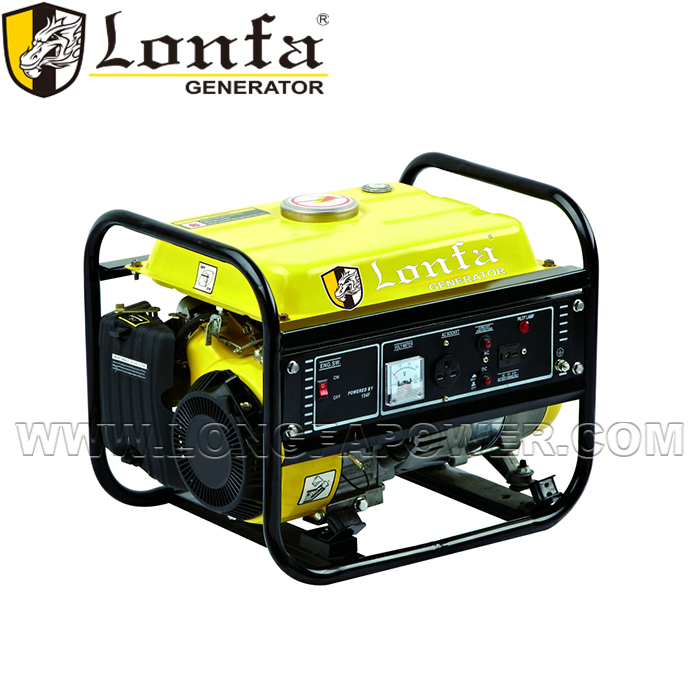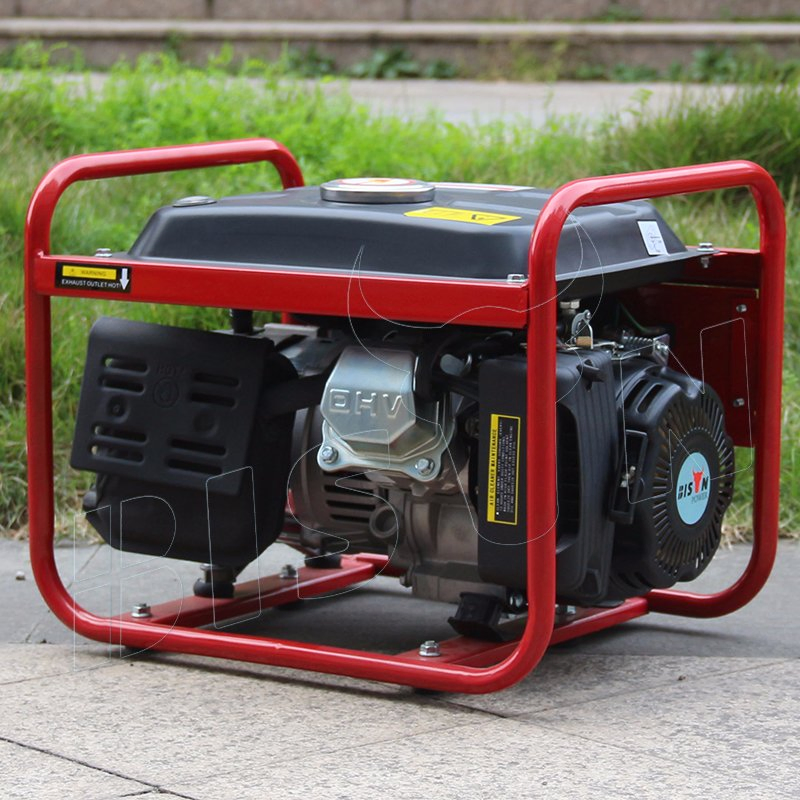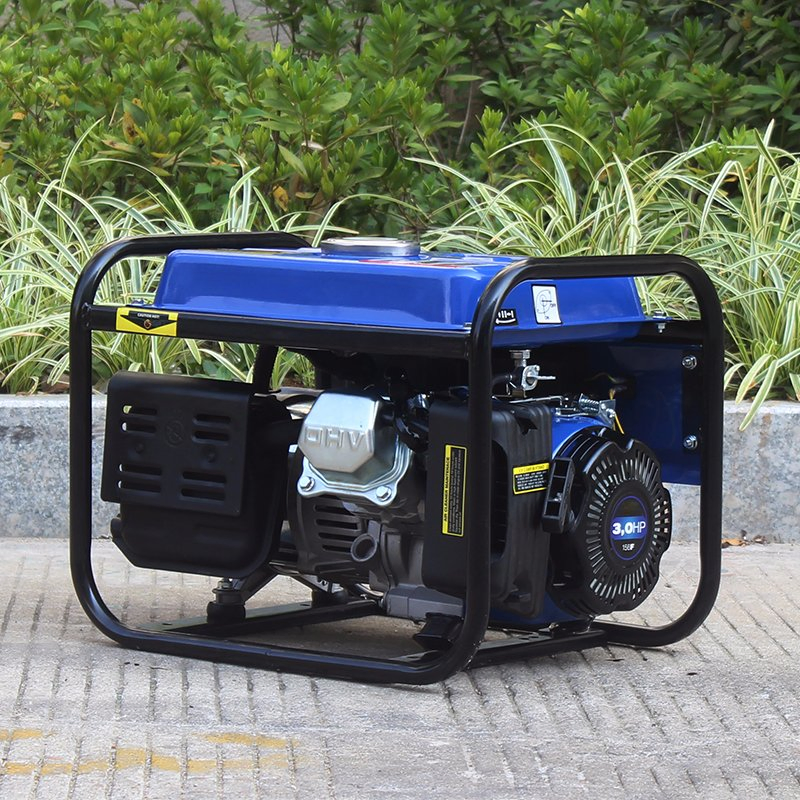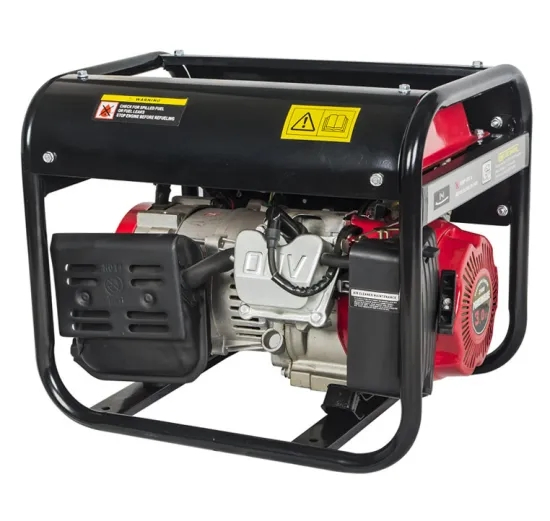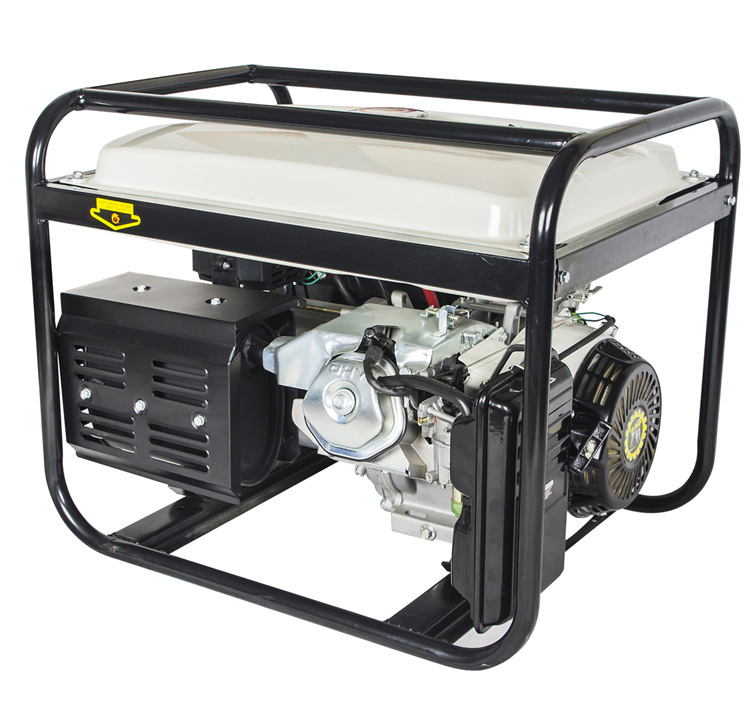

Gasoline Generator
Find Reliable Power with a Gasoline Generator
A gasoline generator is an indispensable tool for providing backup electricity during outages, powering tools at remote job sites, or ensuring the success of outdoor events. At industrial-equipments.com, we specialize in providing high-performance, durable power generation solutions built to meet rigorous demands. The key to selecting the right unit lies in understanding its technical specifications and how they align with your specific power needs.
Core Technical Specifications of a Gasoline Generator
Understanding the detailed specifications of a generator is crucial for making an informed purchase. Below is a breakdown of the essential parameters you should evaluate.
Key Performance Parameters
- Rated & Peak (Surge) Power: Measured in watts (W) or kilowatts (kW). Rated (Running) power is the continuous output the generator can sustain. Peak (Starting) power is the higher, short-term output available to start motor-driven appliances like refrigerators or air conditioners, typically lasting only a few seconds.
- Engine Type & Displacement: The heart of the generator. Common types are 4-stroke, overhead valve (OHV) engines, which are more fuel-efficient, durable, and quieter than older side-valve designs. Displacement, measured in cubic centimeters (cc), generally indicates engine power and ability to handle load.
- Fuel Tank Capacity & Runtime: Tank capacity, measured in liters or gallons, determines how long the generator can operate before refueling. Runtime is typically stated at 50% load. A larger tank means longer uninterrupted operation.
- Voltage & Outlet Configuration: Standard household units provide 120V. Larger models offer 120V/240V output for heavy-duty equipment. The number and type of outlets (5-20R household duplex, L5-30R twist-lock, TT-30R RV) define what you can plug in directly.
- Noise Level (dBA): Measured in decibels at a specified distance (usually 7 meters or 23 feet). Lower dBA ratings are crucial for residential areas, campsites, and events where noise pollution is a concern.
- Starting System: Options include manual recoil (pull-start), electric start (key or button, often with a battery), and remote start for ultimate convenience.
- Portability Features: Weight, wheel kit availability, and folding handle design significantly impact how easily you can move the unit.
Specification Comparison Table
This table compares typical specifications across different classes of gasoline generators available at industrial-equipments.com, helping you identify the right category for your needs.
| Generator Class | Rated Power (Watts) | Peak Power (Watts) | Engine Displacement (cc) | Fuel Tank (Liters) | Runtime @ 50% Load (Hours) | Noise Level (dBA @ 7m) | Primary Use Case |
|---|---|---|---|---|---|---|---|
| Portable / Recreational | 2,000 - 3,500W | 2,200 - 4,000W | 80 - 210 cc | 10 - 15 L | 8 - 12 | 65 - 75 | Camping, Tailgating, Small Home Backup |
| Standard Home Backup | 5,000 - 8,500W | 6,000 - 10,500W | 300 - 420 cc | 20 - 25 L | 9 - 14 | 70 - 78 | Powering Essentials (Fridge, Sump Pump, Lights, Furnace) |
| High-Power / Job Site | 9,000 - 12,000W | 11,000 - 15,000W | 450 - 670 cc | 25 - 30 L | 6 - 10 | 72 - 82 | Powering Multiple Tools, Large RV, Full Home Circuit |
| Industrial / Contractor | 13,000W+ | 16,000W+ | 680 cc+ | 30 L+ | Varies | 75+ | Heavy-Duty Construction, Large Events, Prime Power |
Gasoline Generator FAQ
Q: How do I calculate what size gasoline generator I need?
A: Follow these steps: 1) List Essential Items: Identify all appliances and tools you need to run simultaneously. 2) Find Starting & Running Watts: Check each item's nameplate or manual. Starting (Surge) watts are higher and required for 1-3 seconds. Running (Rated) watts are for continuous operation. 3) Calculate Total: Add the running watts of all items you plan to use at once. Then, identify the single highest starting watt from among those items. Your generator's rated power must exceed the total running watts, and its peak power must exceed the total running watts plus the highest starting watt. Always add a 10-20% buffer for safety and future needs. The experts at industrial-equipments.com can assist with this calculation.
Q: What is the difference between an inverter generator and a conventional gasoline generator?
A: Conventional generators produce AC power directly from the engine, which can result in voltage and frequency fluctuations ("dirty power"). Inverter generators first produce AC power, then convert it to DC, and finally invert it back to a very stable, clean AC sine wave. This makes inverter generators ideal for powering sensitive electronics (laptops, phones, medical equipment) as they are quieter, more fuel-efficient at partial loads, and often lighter. Conventional generators are typically more affordable for higher wattage needs and are perfectly suitable for powering motors, lights, and most major appliances.
Q: How often should I perform maintenance on my gasoline generator?
A: Regular maintenance is critical for reliability and longevity. Key intervals include: After each use (or every 50 hours): Check oil level. Every 100 hours of use or 6 months: Change the engine oil (more frequently in dusty conditions). Every season or 200 hours: Replace the oil filter (if equipped), air filter, and spark plug. Inspect the fuel filter. Annually or per manufacturer schedule: Check valve clearance, clean the fuel system, and inspect the carburetor. Always use a fuel stabilizer if storing the generator for more than 30 days and run it dry before storage. Consult your specific model's manual for the precise maintenance schedule.
Q: Can I run a gasoline generator indoors or in my garage?
A: Absolutely not. Gasoline generators produce deadly carbon monoxide (CO) gas, which is odorless and colorless. Operating a generator indoors, in a garage (even with the door open), in a carport, or near windows, doors, or vents can lead to CO buildup and fatal poisoning. Always operate the generator outdoors on a dry, level surface, at least 20 feet away from your home, doors, and windows, with the exhaust directed away from any structures. Invest in a battery-operated CO detector for added safety in your home.
Q: Why is my new gasoline generator not starting, or running poorly?
A: The most common cause for issues with a new or stored generator is old or contaminated fuel. Gasoline begins to degrade in as little as 30 days, forming varnish and gum that clogs the carburetor and fuel lines. Always use fresh, unleaded gasoline with the recommended octane rating. Other common checks include: ensuring the fuel valve is "ON," the choke is in the correct position (ON for a cold start), the engine switch is "ON," and there is sufficient oil (many modern generators have a low-oil shutdown sensor that prevents starting). For persistent issues, contact the support team at industrial-equipments.com.
Q: What type of oil should I use in my gasoline generator?
A: Always refer to your owner's manual first. For most 4-stroke air-cooled generator engines, a high-quality detergent motor oil classified as SJ or higher (e.g., SAE 10W-30) is standard. The specific viscosity (e.g., 5W-30, SAE 30) often depends on the ambient temperature where you'll be operating the generator. Using the wrong oil can lead to increased wear, poor performance, or engine damage. industrial-equipments.com provides manufacturer-recommended maintenance kits for many generator models.
Q: How do I safely connect a generator to my home's electrical panel?
A: This must be done with a professionally installed transfer switch. Never plug a generator directly into a wall outlet ("backfeeding"), as this is extremely dangerous for utility workers and can damage your home's wiring and the generator itself. A transfer switch is permanently installed next to your panel and allows you to safely power selected, essential circuits. It physically isolates your home from the utility grid, preventing backfeed. Installation must be performed by a licensed electrician to ensure compliance with all local electrical codes (NEC Article 702).
- View as