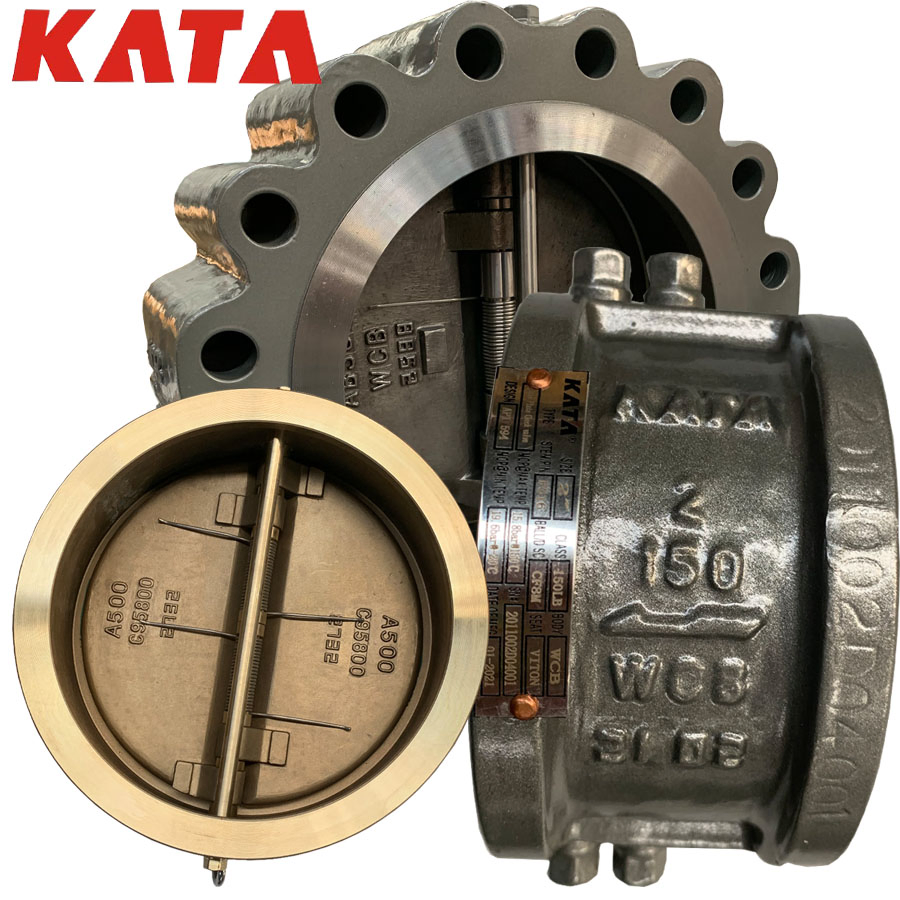

Check Valve
In the intricate world of fluid control and pipeline management, preventing backflow is a fundamental requirement for safety, efficiency, and system integrity. The component that stands as the silent guardian against this reverse flow is the Check Valve. Also known as a non-return valve (NRV) or one-way valve, its primary function is to allow fluid (liquid or gas) to flow through it in only one direction, automatically closing to prevent flow reversal. At industrial-equipments.com, we specialize in providing high-performance, durable check valves engineered for the most demanding industrial applications, from water treatment and chemical processing to oil & gas and HVAC systems.
What is a Check Valve and How Does It Work?
A check valve is a self-automating valve that operates based on the flow pressure of the medium. It requires no external control—no handle, actuator, or human intervention. The valve opens when the inlet pressure (upstream pressure) exceeds the cracking pressure (the minimum pressure needed to open the valve) and the force of any spring mechanism. When the upstream pressure drops, or backpressure occurs (downstream pressure becomes higher), the valve closure mechanism (a disc, ball, or diaphragm) is forced shut, sealing the pathway and preventing backflow.
This simple yet critical function protects equipment like pumps and compressors from damage caused by reverse flow, prevents contamination of upstream media, and maintains desired pressure conditions within a system.
Key Product Parameters & Specifications at industrial-equipments.com
Selecting the correct check valve is paramount for system performance. Our valves at industrial-equipments.com are specified with precision. Below are the core parameters that define our product range.
Primary Design & Performance Specifications
- Valve Type: Swing Check Valve, Lift Check Valve, Dual Plate Wafer Check Valve, Ball Check Valve, Tilting Disc Check Valve, Stop Check Valve, Foot Valve.
- Size Range (Nominal Diameter): From 1/2 inch (DN15) to 48 inches (DN1200) and larger for custom applications.
- Pressure Rating (PN/Class): PN6 to PN420 (Class 150 to Class 2500) to suit low, medium, high, and ultra-high-pressure systems.
- Cracking Pressure: The specific pressure at which the valve begins to open. Customizable based on spring load or disc weight.
- Seat Tightness: Standards per API 598, ANSI/FCI 70-2, for zero or minimal leakage in the closed position.
Material Construction & Compatibility
The material selection is critical for corrosion resistance, temperature tolerance, and media compatibility. Our standard and special material offerings include:
| Component | Common Material Options | Typical Application |
|---|---|---|
| Body & Bonnet | Cast Iron, Ductile Iron, Carbon Steel (WCB, LCB), Stainless Steel (CF8/304, CF8M/316), Alloy 20, Duplex Steel, Bronze, Brass, PVC, CPVC | Selected based on fluid corrosiveness, pressure, and temperature. |
| Disc / Ball | Stainless Steel, Bronze, Carbon Steel with protective coatings, PEEK, Nylon, Rubber Coated | Ensures a tight seal and resists wear from repeated operation. |
| Seat / Seal | Buna-N (NBR), EPDM, Viton® (FKM), PTFE, Metal-to-Metal (Stellite overlay), PEEK | Provides the primary sealing surface. Chosen for chemical compatibility and temperature range. |
| Spring | Stainless Steel (302, 316), Inconel | Provides return force for fast, positive closure, especially in vertical lines. |
| Hinge Pin & Bushings | Stainless Steel, Bronze, Hardened Steel | Provides durability and smooth pivoting action for swing and tilting disc designs. |
Operational & Environmental Parameters
| Parameter | Range / Specification | Notes |
|---|---|---|
| Temperature Range | -200°C to +800°C (-328°F to +1472°F) | Varies significantly by material. PTFE seals have lower limits than metal seats. |
| Media Compatibility | Water, Steam, Oil, Gas, Chemicals, Aggressive Fluids, Slurries, Wastewater | Material selection is dictated by the fluid's chemical properties. |
| End Connection Type | Flanged (RF, RTJ), Threaded (NPT, BSPT, BSPP), Wafer, Lug, Butt Weld, Socket Weld | Chosen to match existing pipeline connections. |
| Installation Orientation | Horizontal or Vertical (flow direction upward specific for some types) | Lift and piston check valves typically require vertical installation. Swing checks are versatile. |
| Standards Compliance | API 594, API 6D, ASME B16.34, ANSI, AWWA, ISO, PED | Ensures design, manufacturing, and testing meet international industry standards. |
Check Valve Selection Guide: Choosing the Right Type
Each check valve design has unique characteristics suited for specific applications. Here’s a brief guide to our main product lines at industrial-equipments.com:
- Swing Check Valve: Features a hinged disc that swings open. Ideal for low-velocity, horizontal pipe runs with clean fluids. Offers low pressure drop.
- Dual Plate Wafer Check Valve: Compact, lightweight design with two spring-loaded plates. Fast closing, excellent for preventing water hammer. Fits between flanges.
- Lift Check Valve: Uses a piston or ball that lifts vertically. Best for high-pressure applications and vertical lines with upward flow. Provides tight sealing.
- Ball Check Valve: Utilizes a free-floating or spring-loaded ball. Simple design, good for viscous fluids or slurries. Often used in pump discharge lines.
- Tilting Disc Check Valve: Disc pivots on a hinge pin. Designed for rapid closure with minimal slam, suitable for variable flow conditions.
- Foot Valve: A type of lift check valve with a strainer screen. Installed at the suction end of a pump line to retain prime.
Check Valve FAQ (Frequently Asked Questions)
Q: What is the main purpose of a check valve?
A: The primary purpose of a check valve is to prevent the reverse flow (backflow) of fluid in a piping system. It allows flow in one direction only, protecting downstream equipment like pumps, meters, and filters from damage, preventing system contamination, and maintaining pressure.
Q: Can a check valve be installed in any orientation?
A: No, installation orientation is critical and depends on the valve type. Swing check valves can generally be installed in horizontal lines or vertical lines with upward flow. Lift, piston, and ball check valves must be installed so that the direction of opening movement is vertical, typically requiring a vertical pipe run with upward flow. Always consult the manufacturer's specifications from industrial-equipments.com for the correct installation.
Q: What is "water hammer" and how does a check valve contribute to or prevent it?
A: Water hammer is a pressure surge or wave caused when a fluid in motion is forced to stop or change direction suddenly. A slow-closing check valve (like a heavy swing check) can contribute to water hammer by allowing significant reverse flow before slamming shut. Fast-closing check valves, such as dual plate wafer or tilting disc designs with springs, minimize reverse flow and close rapidly upon flow cessation, thereby greatly reducing or preventing water hammer.
Q: How do I determine the correct cracking pressure for my application?
A: The cracking pressure must be high enough to keep the valve firmly closed when not in use (preventing dribble or leakage) but lower than the minimum system operating pressure to ensure it opens fully. Consider the pump's minimum discharge pressure, system static head, and any pressure fluctuations. For vertical installations, the cracking pressure must also overcome the weight of the internal mechanism. The engineering team at industrial-equipments.com can assist in specifying the exact spring load or disc weight required.
Q: What maintenance do check valves require?
A: Check valves are designed for minimal maintenance, but periodic inspection is recommended. Maintenance involves checking for internal wear on the disc and seat, ensuring the hinge pin and bushings are not seized (for swing checks), verifying spring integrity (for spring-assisted valves), and cleaning any debris that may obstruct proper closure. The frequency depends on the service (abrasive slurries require more frequent checks than clean water).
Q: What is the difference between a check valve and a stop check valve?
A: A standard check valve operates automatically based on flow. A stop check valve combines the features of a check valve and a globe valve. It can function as a normal check valve, but it also has an external handwheel or actuator that can forcibly close the disc regardless of flow direction, acting as an isolation valve. This is useful in systems like boiler feedwater where flow needs to be manually stopped in an emergency.
Q: Why is material selection so important for a check valve?
A: The valve materials must be chemically compatible with the process fluid to avoid rapid corrosion, degradation of seals, and failure. Materials also determine the valve's pressure and temperature limits. Using a PVC valve for steam service would be catastrophic, just as using a standard cast iron valve for concentrated sulfuric acid would lead to rapid failure. The comprehensive material options at industrial-equipments.com ensure the right match for your specific media.
Q: My check valve is making a loud banging or chattering noise. What does this indicate?
A: Noise often indicates instability in the valve's operation. "Chattering" occurs when the valve disc does not open fully and flutters rapidly, typically caused by insufficient flow velocity or pressure for the valve's design (oversized valve). "Slam" is the loud bang from the disc hitting the seat upon closure, often due to a slow-closing valve in a system with rapid flow reversal. Selecting a properly sized valve and a fast-closing, spring-assisted design from industrial-equipments.com can resolve these issues.
- View as