
Water Pump
At Industrial-Equipments.com, we understand that a reliable water pump is the heart of countless operations, from agricultural irrigation and construction dewatering to industrial processing and municipal water supply. With over two decades of experience in connecting professionals with top-tier machinery, we specialize in providing a comprehensive range of high-performance water pumps engineered for durability, efficiency, and optimal output. Our curated selection features industry-leading brands and models designed to meet the specific demands of your project, whether you require high-head centrifugal pumps, robust submersible pumps, or versatile diaphragm pumps.
Selecting the right pump involves a careful analysis of technical specifications to ensure perfect compatibility with your system's requirements. Below, we detail the critical parameters that define pump performance and longevity.
Key Water Pump Parameters & Specifications
Understanding these core specifications is essential for making an informed purchase decision.
- Flow Rate (Capacity): Measured in gallons per minute (GPM) or liters per second (L/s), this indicates the volume of water the pump can move within a given time frame. Required flow rate depends on the application (e.g., filling a tank, circulating water in a cooling system).
- Total Dynamic Head (TDH): Expressed in feet or meters, TDH represents the total pressure the pump must overcome, including vertical lift (static head) and friction losses in the piping system. It is the most critical factor for determining if a pump can deliver water to the required height and distance.
- Power Source & Motor Power: Pumps can be electrically powered (single or three-phase), diesel-driven, gasoline-powered, or even hydraulic. Motor power, measured in horsepower (HP) or kilowatts (kW), must be sufficient to achieve the desired flow against the system head.
- Pump Type & Design: The fundamental mechanism defines its application.
- Centrifugal Pumps: Use a rotating impeller to move water. Ideal for high-flow, low to medium-head applications like transfer, irrigation, and circulation.
- Submersible Pumps: Sealed units designed to operate underwater. Perfect for deep wells, sewage, and flood dewatering.
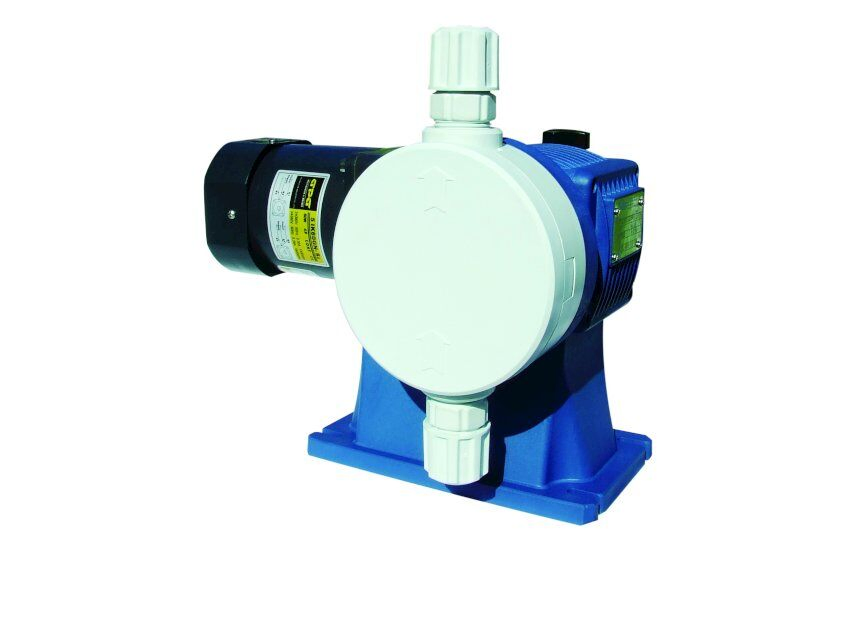
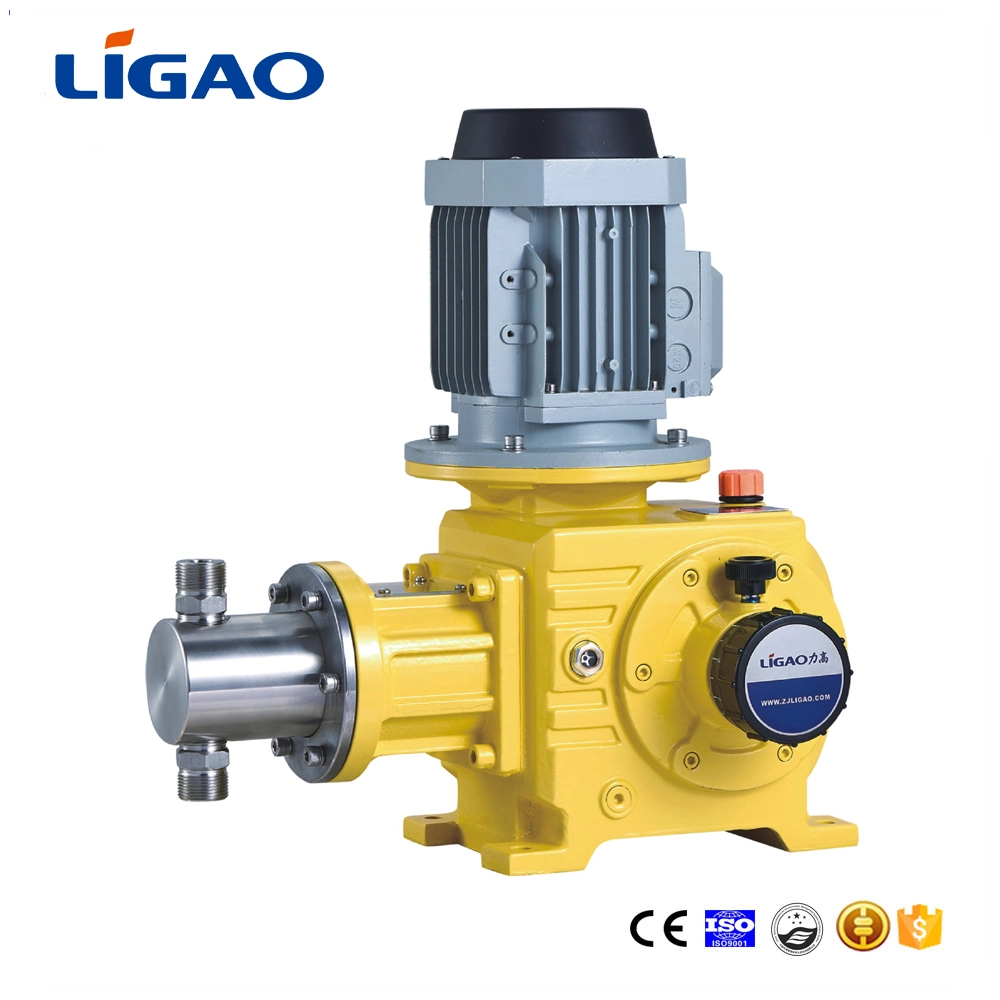
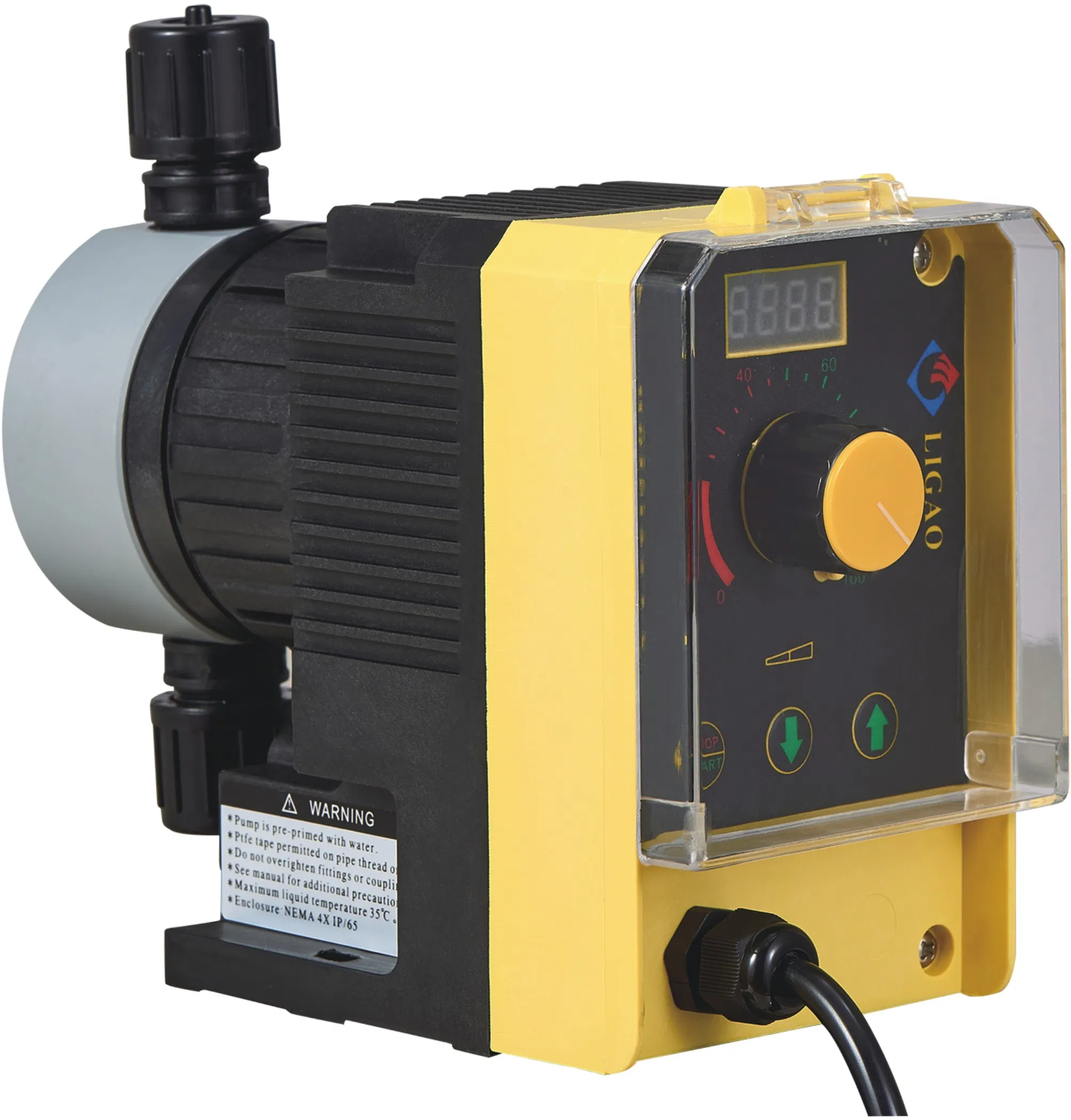
- Diaphragm Pumps (Positive Displacement): Use a reciprocating diaphragm to move fluid. Excellent for handling sludge, viscous fluids, or in applications requiring self-priming.
- Inlet & Outlet Diameter: The port sizes, typically in inches (e.g., 2", 3", 4"), must match your existing piping to minimize connection losses and ensure efficient flow.
- Material of Construction: Critical for corrosion resistance and durability. Cast iron is common and economical; stainless steel is for corrosive or clean water applications; and specialized plastics or alloys are used for harsh chemical environments.
- Self-Priming Capability: A self-priming pump can evacuate air from the suction line and start pumping without manual priming, a vital feature for applications where the pump is not permanently flooded.
- Maximum Solids Handling: For wastewater or slurry pumps, this specification (in inches or millimeters) indicates the largest particle diameter the pump can pass without clogging.
Detailed Product Comparison Table
To illustrate the range of pumps available at Industrial-Equipments.com, the following table compares several popular models across key categories.
| Model Series | Type | Typical Flow Rate (GPM) | Max Total Dynamic Head (ft) | Motor Power (HP) | Inlet/Outlet | Key Material | Primary Applications |
|---|---|---|---|---|---|---|---|
| IE-Centric 200 | End-Suction Centrifugal | Up to 500 | 150 | 7.5 - 15 | 3" / 3" | Cast Iron (Stainless Steel option) | Water transfer, Irrigation, Pressure boosting |
| IE-SubDeep 5000 | 4" Submersible Borehole | Up to 70 | 600 | 5 - 20 | 4" NPT | Stainless Steel (Wetted Parts) | Deep well water supply, Residential & commercial boreholes |
| IE-DrainMax Pro | Submersible Dewatering | Up to 800 | 80 | 10 - 30 | 4" / 4" | Cast Iron Casing, Chrome Impeller | Construction site dewatering, Flood control, Pit emptying |
| IE-Diaphragm 3" | Double-Diaphragm (AODD) | Up to 180 | 200 | Air Powered (Requires CFM) | 1.5" / 1.5" | Polypropylene / PTFE | Chemical transfer, Slurry pumping, Abrasive fluids |
| IE-Trash 6 | Self-Priming Trash Pump | Up to 400 | 130 | 6 - 18 | 3" / 3" | Cast Iron | Dirty water with solids (up to 1"), Sewage bypass, Stormwater |
Water Pump FAQ: Expert Answers from Industrial-Equipments.com
Q: How do I determine the correct size (HP and flow) of the water pump I need?
A: Sizing requires two main data points: the required Flow Rate (how much water you need to move per minute) and the Total Dynamic Head (TDH). First, calculate your TDH by adding the vertical distance the water must be lifted (static head) to the friction losses in your pipe system (which depend on pipe length, diameter, and material). Once you have these figures, consult a pump performance curve—available for every pump on Industrial-Equipments.com—to find a model where your required flow and head intersect within the pump's optimal efficiency range. Choosing a pump that operates near its best efficiency point (BEP) ensures lower energy costs and longer service life.
Q: What is the difference between a self-priming pump and a standard centrifugal pump?
A: A standard centrifugal pump requires its casing and suction line to be completely filled with liquid (primed) before start-up to function. If air enters, it loses prime and stops pumping. A self-priming centrifugal pump has a specialized casing design that allows it to trap and expel air from the suction line, creating a partial vacuum to draw water up. This means it can start with air in the line, making it ideal for applications where the pump is located above the water source. All self-priming pumps become standard centrifugal pumps once primed.
Q: Can I use a water pump to handle fluids other than water?
A: It depends entirely on the pump's construction materials and design. While many pumps are rated for "clean water," specific models are built for other fluids. For chemicals, acids, or solvents, you need a pump with compatible wetted parts (e.g., stainless steel, polypropylene, PTFE). For viscous liquids like oil or slurry, a positive displacement pump (like a diaphragm or lobe pump) is often more effective than a centrifugal pump. Always check the manufacturer's specifications for chemical compatibility and viscosity limits. The product experts at Industrial-Equipments.com can guide you to the correct pump for your specific fluid.
Q: My submersible pump keeps tripping the circuit breaker. What could be the cause?
A: A tripping breaker typically indicates an electrical overload or fault. Common causes include: 1) Impeller Jam or Mechanical Binding: Debris or sand may have locked the impeller, causing the motor to stall and draw excessive current. 2) Worn or Damaged Motor: Insulation failure or winding damage can create a short circuit. 3) Incorrect Voltage Supply: Operating on a voltage significantly lower than the motor's rating causes higher amperage draw. 4) Long or Undersized Supply Cables: Excessive voltage drop over long distances forces the motor to draw more current to maintain power. Always disconnect power before inspection. Check for obstructions first, then verify voltage at the pump's connection point.
Q: How often should I perform maintenance on my industrial water pump?
A: Maintenance frequency depends on usage intensity, fluid pumped (clean vs. abrasive), and environment. However, a general schedule includes: Daily/Weekly: Check for unusual noise/vibration, monitor pressure and amperage readings, and ensure seals are not leaking. Monthly: Inspect and clean intake screens/strainers. Every 6-12 Months or per running hours: Lubricate bearings as per manual (if not sealed), check mechanical seal condition, and inspect impeller for wear or cavitation damage. For pumps in continuous or severe service, more frequent inspections are necessary. Always follow the specific OEM maintenance guide provided with your pump from Industrial-Equipments.com.
Q: What does 'NPSH' mean, and why is it important?
A: NPSH stands for Net Positive Suction Head. It is a critical concept to prevent pump cavitation, which is destructive to impellers and seals. There are two values: NPSHR (Required) and NPSHA (Available). NPSHR is a pump characteristic—the minimum pressure required at the pump inlet to prevent cavitation. NPSHA is a system characteristic—the actual absolute pressure at the pump inlet minus the fluid's vapor pressure. For safe operation, you must have NPSHA > NPSHR (typically with a safety margin of 1-2 meters or more). If NPSHA is too low, the liquid vaporizes at the impeller eye, causing cavitation, resulting in noise, vibration, and rapid component failure.
For further technical assistance or to explore our full catalog of pumps, filters, and related accessories, visit Industrial-Equipments.com. Our team is ready to help you select the perfect pumping solution for your operational needs and budget.
- View as