
The Definitive Guide to Centrifugal Pumps
For over two decades, industries worldwide have relied on centrifugal pumps as the workhorse for fluid transfer. At industrial-equipments.com, we provide a comprehensive range of high-performance centrifugal pump solutions engineered for durability, efficiency, and precise application matching. This guide delves into the technology, specifications, and selection criteria to empower your procurement decision.
Core Technology & Operating Principle
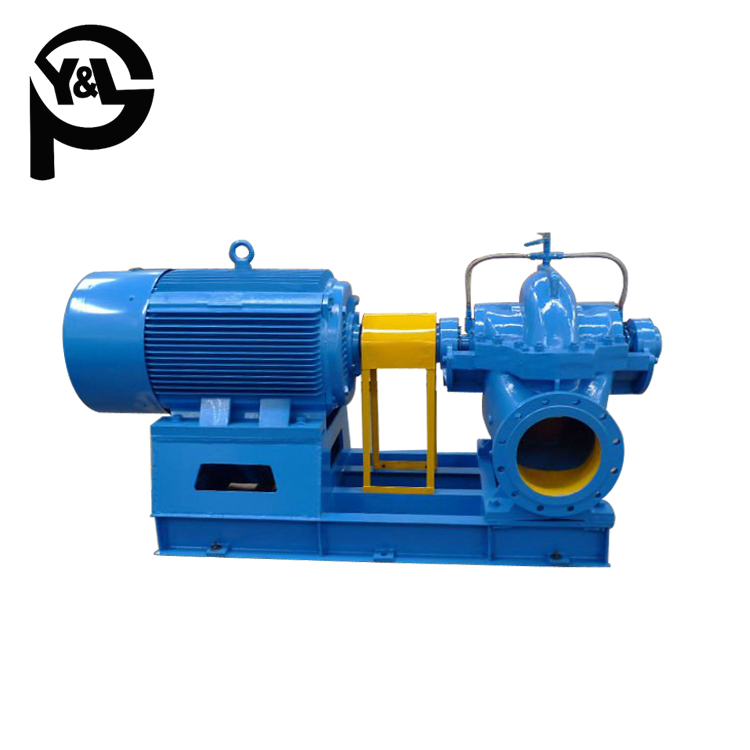
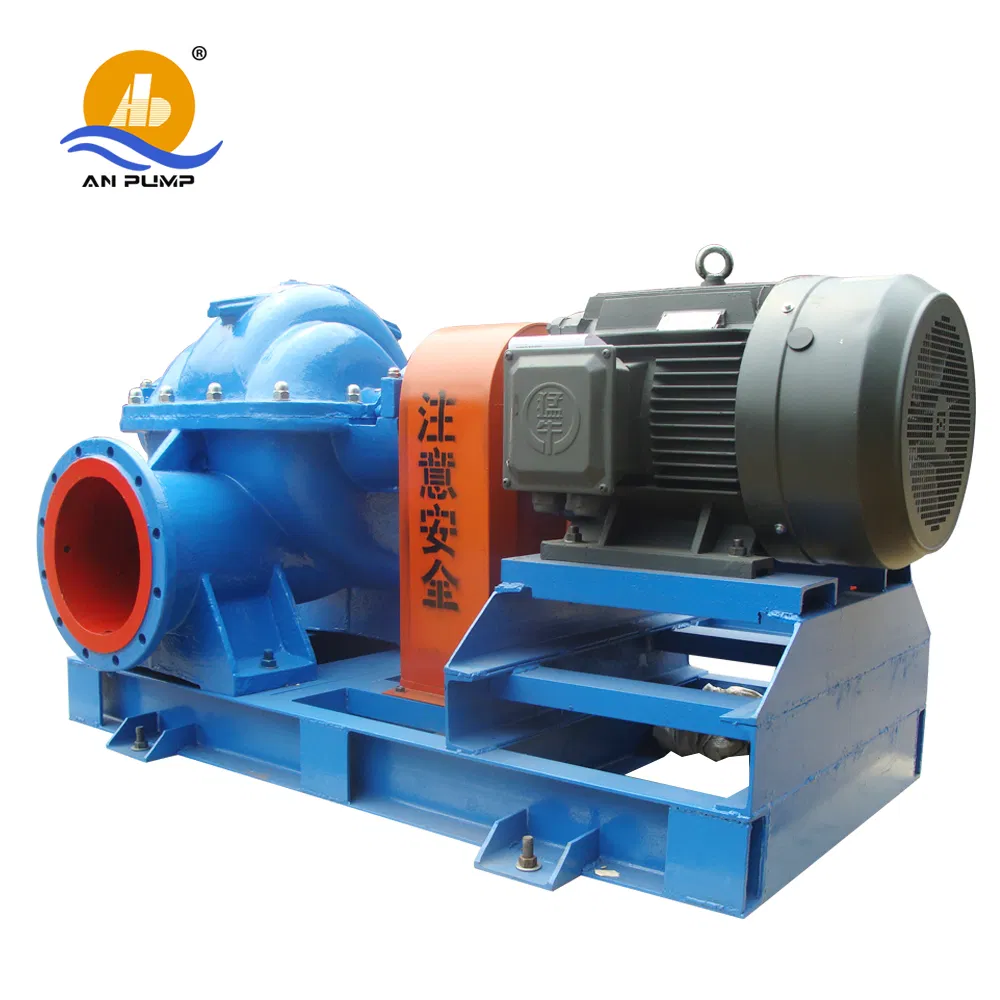
A centrifugal pump operates on a simple yet highly effective principle: it converts rotational kinetic energy, typically from an electric motor, into hydrodynamic energy within the fluid being pumped. This process involves:
- Impeller: The rotating component with curved vanes that imparts velocity to the fluid.
- Casing (Volute or Diffuser): The stationary enclosure that collects the high-velocity fluid from the impeller and converts the velocity energy into pressure by gradually increasing the flow area.
- Drive Shaft: Transmits power from the motor to the impeller.
- Shaft Seals: Critical components (like mechanical seals or gland packing) that prevent leakage where the shaft enters the casing.
- Bearings: Support the shaft and impeller assembly, allowing smooth rotation.
The fluid enters the pump axially at the impeller eye, is accelerated radially outward by the impeller, and is discharged at high pressure through the casing outlet.
Comprehensive Product Specifications & Parameters
Selecting the correct centrifugal pump requires careful analysis of your system's demands against the pump's performance curve. At industrial-equipments.com, our pumps are specified with transparent, detailed parameters to ensure optimal integration.
Key Performance Parameters
- Flow Rate (Capacity - Q): The volume of fluid delivered per unit time (e.g., m³/h, GPM, L/s).
- Total Head (H): The total pressure increase imparted to the fluid by the pump, expressed in meters (m) or feet (ft) of liquid column. It overcomes the system's static lift and friction losses.
- Net Positive Suction Head Required (NPSHr): The minimum absolute pressure at the pump inlet required to prevent cavitation. Must be less than the system's NPSH Available (NPSHa).
- Power & Efficiency:
- Input Power (Pin): Power supplied to the pump shaft (Brake Horsepower - BHP).
- Output Power (Pout): Hydraulic power actually imparted to the fluid.
- Efficiency (η): Ratio of output hydraulic power to input shaft power (η = Pout / Pin). A key indicator of energy consumption.
- Speed (N): Rotational speed of the impeller, typically in RPM. Affects head, flow, and power draw.
Material & Construction Specifications
The materials of construction are dictated by the fluid's properties (corrosiveness, abrasiveness, temperature) and duty cycle. Our standard and optional materials include:
| Component | Standard Material | Common Alternative Materials | Typical Application |
|---|---|---|---|
| Casing | Cast Iron (GG25) | Stainless Steel 316/304, Duplex Steel, Alloy 20, Bronze, PP/PVDF (Plastic) | General water, mild chemicals, seawater, highly corrosive acids/alkalis |
| Impeller | Bronze / Cast Iron | Stainless Steel 316, Duplex Steel, Hastelloy C, Rubber-Lined | Balance of corrosion resistance and casting precision; abrasive slurries |
| Shaft | Stainless Steel 420 | Stainless Steel 316, Titanium, Monel | High strength with corrosion resistance at seal points |
| Mechanical Seal / Gland | Carbon/Ceramic (Standard) | SiC/SiC, Tungsten Carbide, PTFE Bellows, Flush Plans | Clear water to abrasive, crystallizing, or high-temperature fluids |
| Sealing Gasket | Nitrile Rubber (NBR) | EPDM, Viton® (FKM), PTFE, Grafoil® | Varies based on fluid chemical compatibility and temperature |
Standard Technical Data Table (Example Model Range)
| Model Series | Flow Range (m³/h) | Head Range (m) | Power Range (kW) | Max. Pressure (bar) | Max. Temp. (°C) | Connection Size (Inlet/Outlet) |
|---|---|---|---|---|---|---|
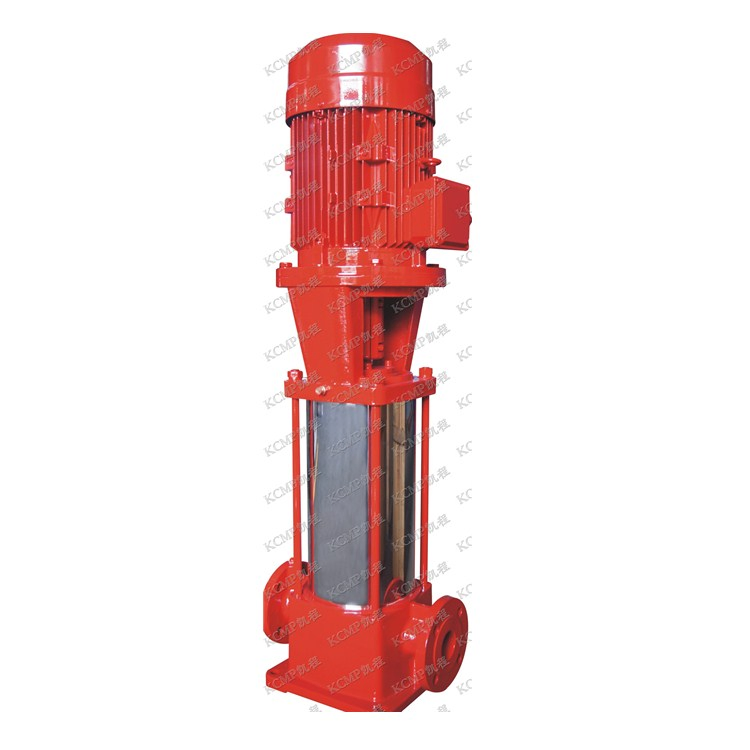
| IE-CP100 (End Suction) | 1 - 100 | 5 - 80 | 0.37 - 22 | 10 | 110 | DN 25 - DN 100 |
| IE-CP200 (Multistage) | 0.5 - 50 | 15 - 300 | 0.75 - 45 | 25 | 90 | DN 20 - DN 80 |
| IE-CP300 (Self-Priming) | 2 - 200 | 10 - 60 | 0.55 - 37 | 10 | 80 | DN 40 - DN 125 |
| IE-CP400 (Chemical Process) | 0.5 - 150 | 5 - 120 | 0.25 - 55 | 16 | 140 | DN 20 - DN 150 |
Centrifugal Pump FAQ: Expert Answers from industrial-equipments.com
Selection & Sizing
Q: How do I determine the correct size (flow and head) for my application?
A: Accurate sizing is critical. First, calculate your system's required flow rate (Q). Then, determine the Total Dynamic Head (TDH), which is the sum of: 1) Static Head (vertical lift from source to discharge point), 2) Friction Head (losses from pipes, valves, fittings), and 3) Pressure Head (difference in terminal pressures). Plot this duty point (Q, H) on the pump's performance curve provided by industrial-equipments.com. The ideal pump will have its Best Efficiency Point (BEP) near your duty point, ensuring efficient and reliable operation.
Q: What is cavitation and how can I prevent it?
A: Cavitation occurs when the local pressure at the pump inlet drops below the fluid's vapor pressure, causing vapor bubbles to form. These bubbles collapse violently upon reaching high-pressure zones, damaging impeller vanes, causing noise, vibration, and efficiency loss. Prevention is achieved by ensuring the system's Net Positive Suction Head Available (NPSHa) exceeds the pump's NPSH Required (NPSHr) by a safety margin (typically 0.5 - 1.5 meters). Increase NPSHa by lowering the pump, raising the fluid source, increasing suction pipe diameter, or reducing pipe friction.
Q: When should I choose a self-priming centrifugal pump over a standard one?
A: Choose a self-priming centrifugal pump when the pump casing cannot be permanently flooded (i.e., the pump is located above the fluid source). Standard centrifugal pumps require the casing and suction line to be completely filled with liquid to start. Self-priming pumps can evacuate air from the suction line and create a partial vacuum to draw fluid up, making them ideal for applications like dewatering, transfer from underground tanks, or where suction lift is involved.
Operation & Maintenance
Q: What are the primary causes of premature centrifugal pump failure?
A: The most common causes include: 1) Running far from BEP: Leads to radial thrust, shaft deflection, seal and bearing wear. 2) Cavitation: As described above. 3) Dry Running: Operating without fluid destroys mechanical seals and overheats the pump. 4) Misalignment: Between pump and motor shaft causes vibration and bearing failure. 5) Improper Seal Flushing/Environment: Leads to seal face damage from dry running, crystallization, or abrasives. 6) Corrosion/Erosion: From chemically incompatible or abrasive fluids.
Q: What is the recommended maintenance schedule for a centrifugal pump?
A: Maintenance frequency depends on duty, fluid, and environment. A general guideline includes: Daily/Weekly: Check for unusual noise/vibration, monitor pressure/flow, inspect for leaks. Monthly/Quarterly: Check motor amperage, lubricate bearings (if not sealed-for-life), inspect coupling alignment. Annually/Bi-Annually: Perform full inspection: bearing temperature/condition check, mechanical seal inspection, impeller clearance check, wear ring inspection (if applicable), shaft runout measurement, and full realignment. industrial-equipments.com provides detailed maintenance manuals with each pump.
Q: How do I interpret a pump performance curve?
A: A pump curve is a graph plotting Total Head (H) on the Y-axis against Flow Rate (Q) on the X-axis for a specific impeller diameter and speed. Key lines on the chart include: 1) Head-Flow Curve: Shows how head decreases as flow increases. 2) Efficiency Curve: A bell-shaped curve showing pump efficiency (%) across its flow range. The peak is the BEP. 3) Power Curve (BHP): Shows the required input power across the flow range. 4) NPSHr Curve: Shows the NPSH required across the flow range. Always select a pump where your duty point intersects the H-Q curve near the BEP for optimal operation.
Product & Brand
Q: What distinguishes industrial-equipments.com centrifugal pumps from others on the market?
A: Our pumps are engineered for industrial longevity and performance. Key differentiators include: 1) Robust Design: Over-sized shafts and premium bearings for reduced deflection and longer life. 2) Material Integrity: We use certified, traceable materials for critical wetted parts. 3) Seal Flexibility: Pumps are designed to accommodate a wide range of mechanical seal types and flushing plans. 4) Performance Verification: Critical models undergo actual performance testing, with certified curves provided. 5) Global Support: Access to comprehensive technical documentation, CAD files, and expert application support.
Q: Can you provide pumps for handling abrasive slurries or highly corrosive chemicals?
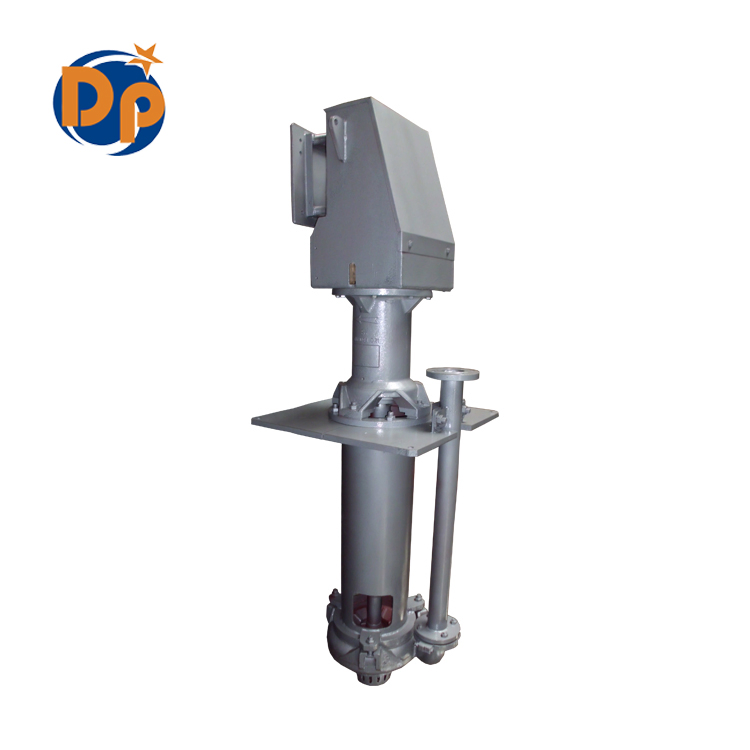
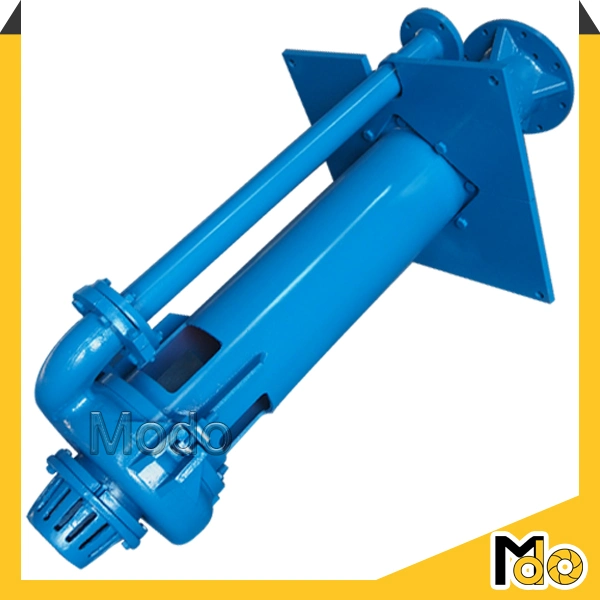
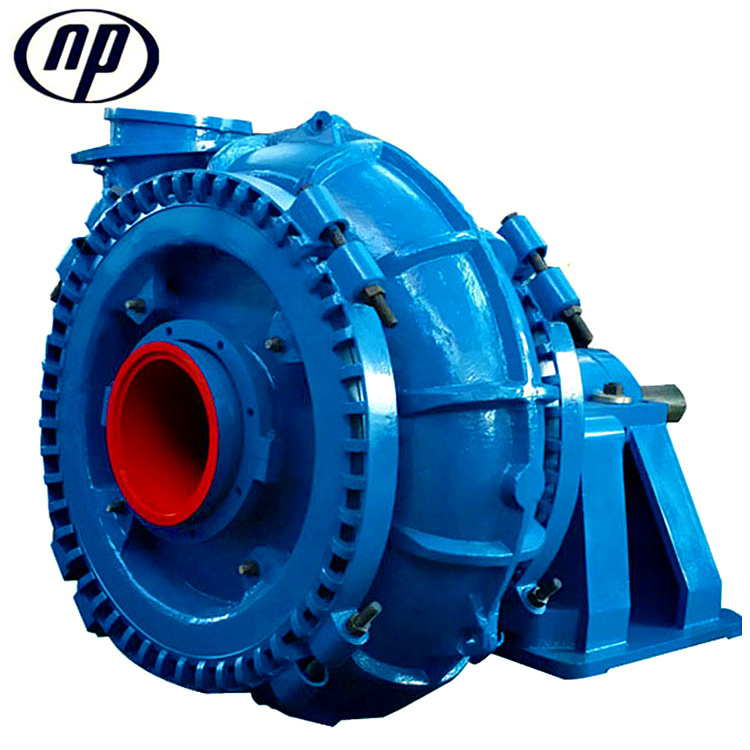
A: Absolutely. For abrasive slurries (e.g., mining, wastewater sludge), we offer centrifugal pumps with hardened material options (high-chrome white iron), rubber lining (natural or synthetic), or specialized elastomers. For highly corrosive acids, alkalis, or solvents, our chemical process pump range (like the IE-CP400 series) is available in alloys such as Hastelloy C, Titanium, or solid plastics like PP/PVDF, paired with compatible containment seals like double or tandem mechanical seals with appropriate flush plans.