
Fastener & Fittings
What Are Fastener & Fittings and Why Are They Critical?
In the world of industrial manufacturing and construction, the integrity of an entire structure or machine often hinges on the smallest components. Fastener & Fittings are these fundamental elements. Fasteners are hardware devices that mechanically join or affix two or more objects together, while fittings are components used to connect sections of pipe, tubing, or to adapt to different sizes or shapes. At industrial-equipments.com, we understand that these are not just spare parts; they are the foundational links ensuring safety, reliability, and performance in countless applications, from aerospace and automotive to plumbing and furniture assembly.
Our Comprehensive Product Range at industrial-equipments.com
We pride ourselves on offering an exhaustive catalog of high-quality fastener and fitting solutions designed to meet the stringent demands of various industries. Our products are sourced from trusted manufacturers and subjected to rigorous quality checks to ensure they deliver optimal performance and longevity.
Categories of Fasteners We Supply:
- Bolts and Screws: Including hex bolts, carriage bolts, machine screws, socket heads, and self-tapping screws for diverse threading and driving needs.
- Nuts: Such as hex nuts, lock nuts, wing nuts, and flange nuts, available in various grades and materials to match corresponding bolts.
- Washers: Flat washers, split lock washers, and tooth lock washers to distribute load and prevent loosening from vibration.
- Rivets: Blind rivets, solid rivets, and drive rivets for permanent fastening where access is only available from one side.
- Pins: Including cotter pins, dowel pins, and clevis pins for securing components in place.
- Anchors: Concrete anchors, sleeve anchors, and wedge anchors for securing objects to masonry materials.
Categories of Fittings We Supply:
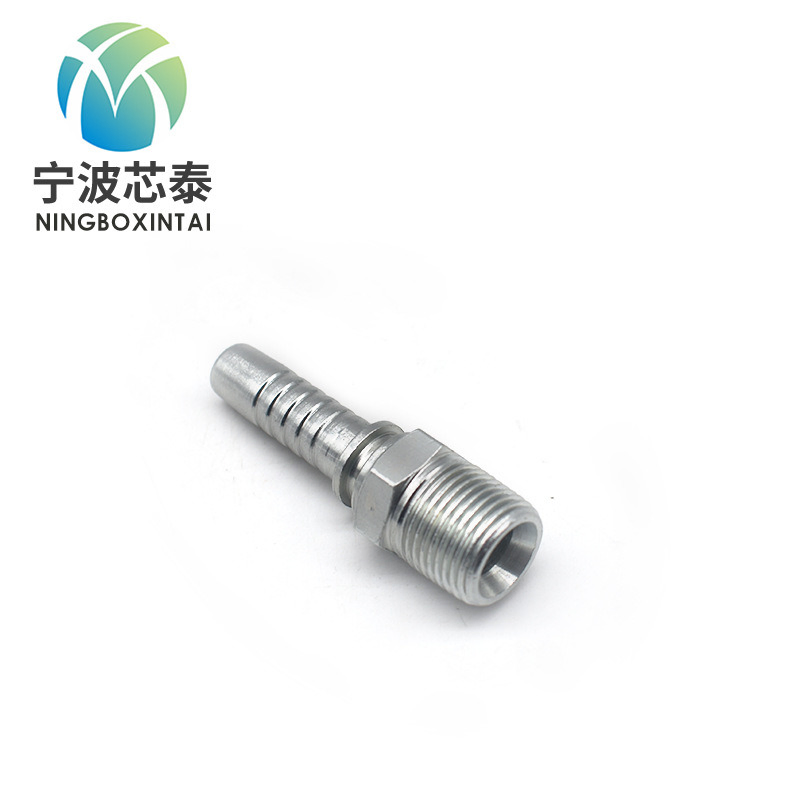
- Pipe Fittings: Elbows, tees, couplings, unions, reducers, and caps for directing, controlling, and changing the flow in piping systems.
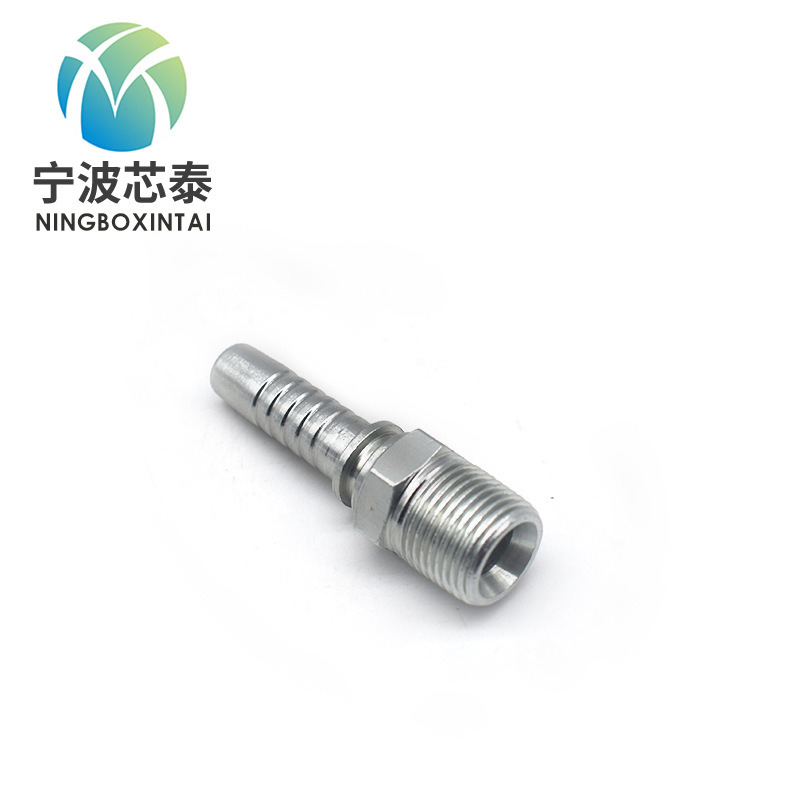
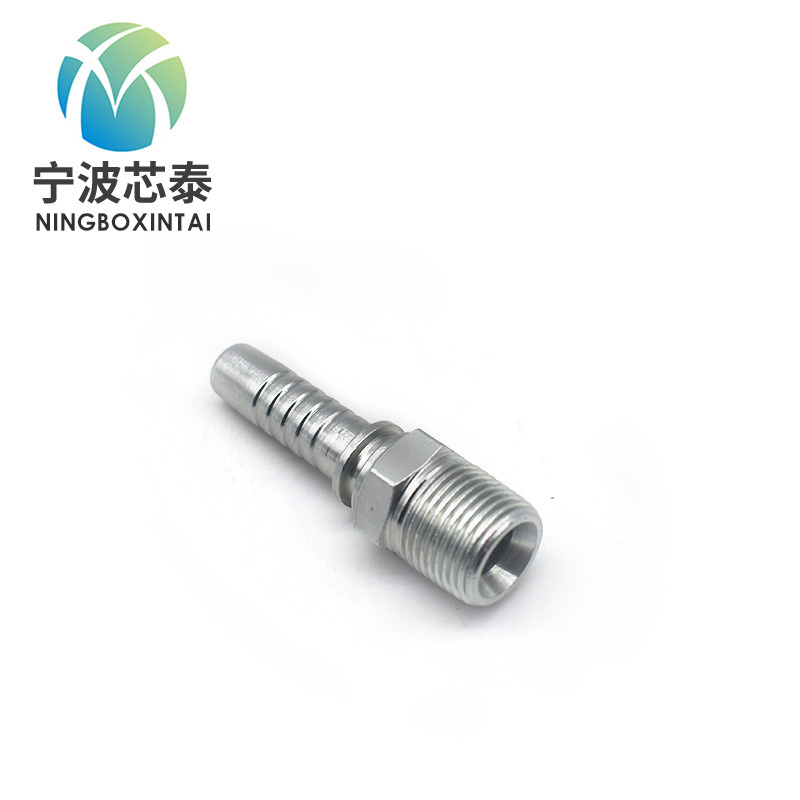
- Hydraulic & Pneumatic Fittings: JIC, NPT, ORFS, and compression fittings designed for high-pressure fluid and air power systems.
- Tube Fittings: Ferrules, connectors, and adapters for instrumentation and control systems using tubing.
- Quick-Disconnect Couplings: For fast and leak-free connection and disconnection of fluid lines.
Detailed Technical Specifications & Material Guide
Selecting the correct fastener or fitting requires careful consideration of its material, grade, dimensions, and performance ratings. Below are detailed tables showcasing key parameters for our flagship product categories.
Table 1: Common Fastener Materials and Properties
| Material | Grade/Type | Tensile Strength (MPa, approx.) | Corrosion Resistance | Common Applications |
|---|---|---|---|---|
| Carbon Steel | Grade 2, 5, 8 | 400 - 1500 | Low (requires coating) | General construction, machinery |
| Stainless Steel | A2-70, A4-80 | 700 - 800 | Excellent | Marine, food processing, chemical plants |
| Alloy Steel | ASTM A193 B7 | 860 - 1000 | Moderate (often plated) | High-temperature, high-pressure valves |
| Brass | CZ121 / CW614N | 300 - 500 | Good (resists dezincification) | Plumbing, electrical, decorative |
| Aluminum | 6061-T6 | 310 | Excellent (forms protective oxide layer) | Aerospace, automotive, where weight is critical |
| Titanium | Grade 2, Grade 5 | 340 - 1170 | Outstanding | Aerospace, medical implants, marine |
Table 2: Standard Pipe Fitting Dimensions (NPT Thread)
| Nominal Pipe Size (NPS) | Threads Per Inch (TPI) | Outside Diameter (inches) | Typical Wall Thickness (Schedule 40, inches) |
|---|---|---|---|
| 1/8" | 27 | 0.405 | 0.068 |
| 1/4" | 18 | 0.540 | 0.088 |
| 3/8" | 18 | 0.675 | 0.091 |
| 1/2" | 14 | 0.840 | 0.109 |
| 3/4" | 14 | 1.050 | 0.113 |
| 1" | 11.5 | 1.315 | 0.133 |
Fastener & Fittings FAQ
Q: What is the difference between a bolt and a screw?
A: The primary distinction lies in their application. Bolts are typically used with a nut to fasten two unthreaded components together. They pass through clearance holes and are secured by tightening the nut. Screws, on the other hand, are generally threaded into a pre-tapped hole in one of the components or create their own thread in the material (like wood screws or self-tapping screws). They often do not require a nut.
Q: How do I choose the right material for a corrosive environment?
A: For highly corrosive environments (e.g., marine, chemical processing), austenitic stainless steel (like 316/A4) is a standard choice due to its excellent resistance to a wide range of chemicals and saltwater. For even more severe conditions, alloys like Hastelloy, Monel, or titanium may be necessary. Always consult corrosion resistance charts and, if possible, test the material in the specific environment.
Q: What does the grade marking on a bolt head mean?
A: The grade marking indicates the bolt's material strength. For instance, on standard imperial bolts, three radial lines denote Grade 5, and six radial lines denote Grade 8. The higher the grade, the greater the tensile and yield strength. Metric bolts use a two-number system (e.g., 8.8, 10.9, 12.9) where the first number multiplied by 100 gives the tensile strength in MPa, and the ratio of the two numbers indicates the yield strength ratio.
Q: When should I use a hydraulic fitting versus a standard pipe fitting?
A: Hydraulic fittings are engineered for high-pressure fluid power systems and are designed with specific sealing methods (like metal-to-metal seats or O-rings) to prevent leaks under dynamic pressure and vibration. Standard pipe fittings (NPT) are for lower-pressure applications like plumbing and general fluid transfer. Using a pipe fitting in a high-pressure hydraulic line is a safety risk.
Q: What is the purpose of a washer?
A: Washers serve multiple functions. A flat washer distributes the load of the fastener over a larger area, preventing damage to the surface material. A lock washer (split or tooth type) provides a spring tension that helps prevent the fastener from loosening due to vibration. They also act as spacers and can seal a connection.
Q: How do I ensure I am ordering the correct size fitting?
A: Accurate measurement is crucial. For threaded fittings, identify the thread standard (NPT, BSP, JIC, etc.), the nominal size, and the thread pitch. For tubing, measure the outer diameter precisely. Always refer to industry-standard sizing charts. The experts at industrial-equipments.com can provide detailed guidance to ensure you get the exact part you need.
Q: Can I mix different metal types for fasteners and the materials they join?
A: This should be done with extreme caution due to galvanic corrosion. When two dissimilar metals are in electrical contact in the presence of an electrolyte (like moisture), one metal will corrode preferentially. For example, using steel fasteners on aluminum structures can lead to rapid corrosion of the aluminum. Use insulating washers or choose fastener materials that are close to the base material on the galvanic series chart.
Q: What are the advantages of quick-disconnect couplings?
A: Quick-disconnect (or quick-release) couplings allow for fast, tool-free connection and disconnection of fluid lines with minimal spillage. They improve efficiency in applications where lines need to be changed frequently, such as in test equipment, pneumatic tools, and fluid transfer systems. They often feature a valving mechanism that seals both sides upon disconnection.
- View as