
Precision Engineered Industrial Water Filtration Solutions for Demanding Applications
In industrial operations, water purity is not a luxury; it is a critical variable impacting product quality, equipment longevity, operational efficiency, and environmental compliance. Selecting the correct Industrial Water Filter is a strategic decision. At industrial-equipments.com, we specialize in providing robust, high-efficiency filtration systems engineered to meet the stringent demands of diverse sectors, from manufacturing and power generation to food & beverage and pharmaceuticals. Our systems are designed to remove contaminants with precision, ensuring a reliable supply of process water that protects your capital investment and optimizes your production outcomes.
The core principle of industrial filtration involves passing water through a specialized medium or membrane that physically or chemically separates impurities. These contaminants can range from suspended solids like sand, silt, and rust to dissolved minerals, organic compounds, bacteria, and viruses. The choice of filtration technology depends entirely on the source water quality and the required purity level for the specific industrial application. A comprehensive system often incorporates multiple stages, each targeting a specific contaminant type, to achieve the desired final water specification.
Core Product Specifications and Technical Parameters
Our product portfolio at industrial-equipments.com is built on transparency and technical excellence. Below are the detailed specifications for our flagship Pressure Sand Filter and Activated Carbon Filter, which form the foundational pretreatment stage in most industrial water treatment trains.
Standard Model Specifications
- Model Series: IWF-PSF/ACF Series (Integrated Multi-Vessel Systems Available)
- Vessel Construction: FRP (Fiber Reinforced Plastic), Carbon Steel with Rubber Lining, or 304/316 Stainless Steel
- Operating Pressure: Standard 6-8 bar (Maximum 10 bar)
- Operating Temperature: 5°C - 50°C (Special high-temperature models available)
- Flow Rate Range: From 5 m³/hr to 500 m³/hr, customizable
- Control System: Manual, Semi-Automatic, or Fully Automatic PLC-based with touchscreen HMI
- Connection Standards: Flanges comply with ANSI, DIN, or JIS standards as required.
Detailed Filtration Media and Performance Data
| Filter Type | Primary Media | Media Size/Grade | Target Contaminants | Typical Inlet Turbidity | Expected Outlet Turbidity | Backwash Frequency |
|---|---|---|---|---|---|---|
| Pressure Sand Filter | Quartz Sand, Garnet, Anthracite | Multi-layer: 0.6-0.8mm, 1-2mm, 2-4mm | Suspended Solids, Sediment, Rust, Turbidity | < 50 NTU | < 5 NTU | Every 24-72 hours (pressure differential dependent) |
| Activated Carbon Filter | Granular Activated Carbon (GAC), Coconut Shell or Coal-Based | 12x40 Mesh, Iodine Number > 900 mg/g | Chlorine, Chloramines, Odor, Color, Organic Compounds, VOCs | Chlorine: 1-2 ppm | Chlorine: 0 ppm | Every 72-168 hours (based on chlorine breakthrough) |
| Dual-Media Filter | Anthracite & Quartz Sand | Anthracite: 0.8-1.2mm, Sand: 0.4-0.8mm | Fine Suspended Solids, Improved Solids Holding Capacity | < 30 NTU | < 3 NTU | Every 48-96 hours |
Industrial Water Filter FAQ
Q: What is the main difference between a standard industrial water filter and a domestic water filter?
A: The differences are substantial. Industrial water filters are designed for continuous, high-flow operation (often 24/7), with significantly larger vessels, higher pressure ratings, and robust construction materials like FRP or lined carbon steel. They handle vastly higher contaminant loads and are equipped with automated control systems for backwashing and regeneration. Domestic units are low-flow, low-pressure, and designed for intermittent use with cartridge-based consumables.
Q: How do I determine the correct filter size and model for my factory?
A: Sizing requires a detailed analysis of four key parameters: 1) Peak Flow Rate (m³/hr): The maximum water demand of your process. 2) Source Water Analysis: A comprehensive lab test identifying all contaminants and their concentrations. 3) Required Effluent Quality: The specific purity standards your process needs (e.g., turbidity in NTU, chlorine level). 4) Operating Hours: Continuous or intermittent duty. Our engineering team at industrial-equipments.com provides free initial consultation using our sizing questionnaire to recommend the optimal system.
Q: What maintenance does an industrial water filtration system require?
A: Regular maintenance is crucial for consistent performance. Key tasks include: Daily/Weekly: Checking pressure differential gauges across the filter vessel. A significant increase triggers a backwash. Monthly: Inspecting valve operation and control panel alarms. Verifying flow rates. Annually: Inspecting internal components for wear, checking media levels, and possibly topping up or replacing media (activated carbon typically lasts 1-2 years, sand/anthracite 3-5 years depending on use). Fully automated systems from industrial-equipments.com simplify this by logging data and initiating backwash cycles automatically.
Q: Can your filters handle aggressive or high-temperature water?
A: Yes, we offer specialized configurations. For aggressive water (low pH, high chlorides), we recommend vessels constructed from 316L stainless steel or high-grade FRP. For high-temperature applications (up to 120°C), we design systems with specific media grades resistant to thermal degradation and employ vessels with appropriate material and gasket specifications. It is critical to inform our engineers of these conditions during the design phase.
Q: What is the role of pre-filtration before a Reverse Osmosis (RO) system?
A: Pre-filtration, often called "pre-treatment," is absolutely essential to protect the delicate RO membranes. An industrial water filter like a multimedia or activated carbon filter removes suspended solids, chlorine, and organic matter. Chlorine oxidizes and destroys polyamide RO membranes. Solids can foul and block membrane channels. Effective pre-filtration, as supplied by our systems, extends RO membrane life from months to years, reduces cleaning frequency, and maintains optimal system productivity and salt rejection rates.
Advanced Filtration Technologies & Integration
Beyond standard sand and carbon filtration, industrial-equipments.com provides advanced solutions for more challenging separation needs. These systems are often deployed after primary filtration for polishing or specific contaminant removal.
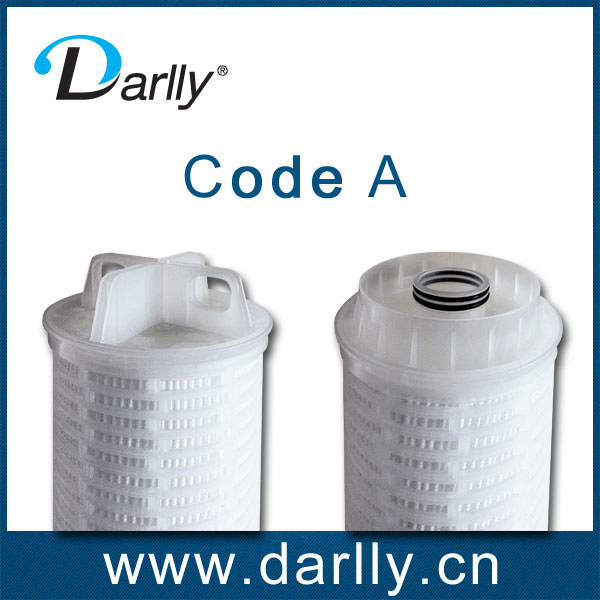
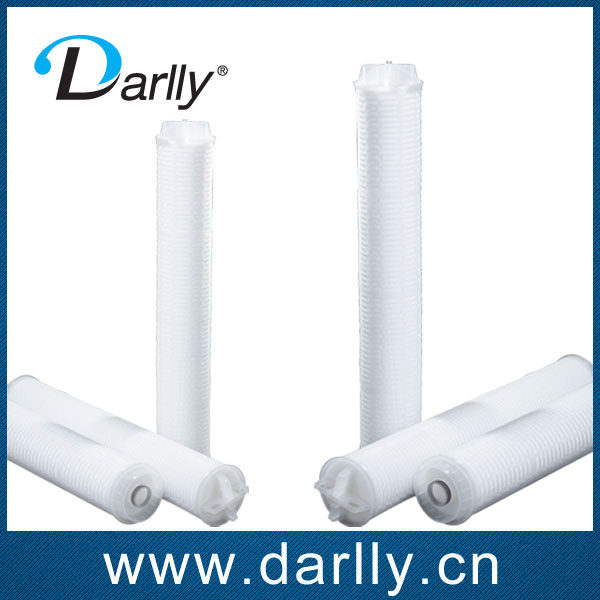
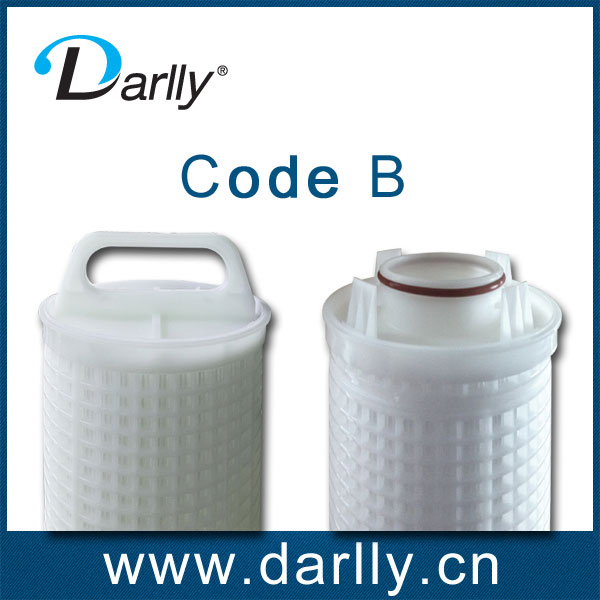
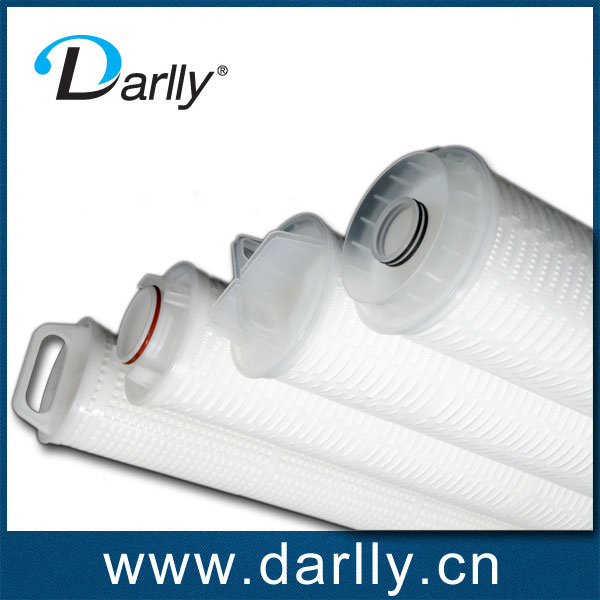
- Cartridge Filter Housings (Bag & Cartridge): Used as final "safety" filters downstream of larger units. We offer multi-bag housings for high-flow applications and multi-cartridge vessels with pleated filters rated from 100 microns down to 1 micron or less.
- Iron & Manganese Removal Filters: Specialized systems using catalytic media like Birm or Greensand Plus to oxidize and filter dissolved iron and manganese, preventing staining and deposition in equipment.
- Water Softeners: Ion exchange systems that remove hardness ions (Calcium and Magnesium) to prevent scale formation in boilers, cooling towers, and heat exchangers, significantly improving energy efficiency.
The integration of these technologies into a cohesive water treatment plant is our expertise. A typical integrated system might involve: Stage 1: Clarifier or settling tank for heavy solids. Stage 2: Our Industrial Water Filter (Multimedia) for fine suspended solids. Stage 3: Activated Carbon Filter for chlorine and organics. Stage 4: Water Softener for hardness. Stage 5: Reverse Osmosis System for desalination. This integrated approach, engineered and supplied as a complete skid-mounted unit by industrial-equipments.com, guarantees water quality that meets the most exacting process standards.