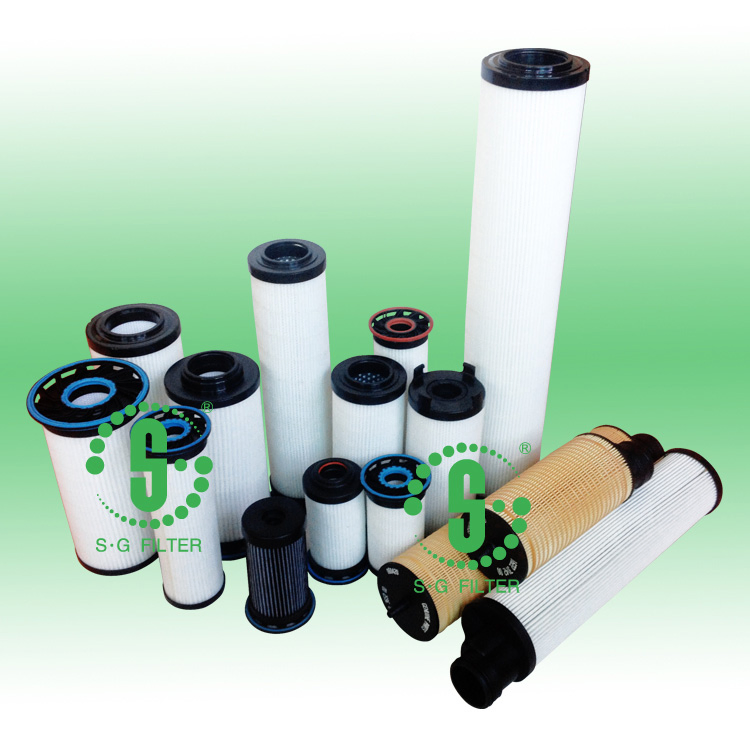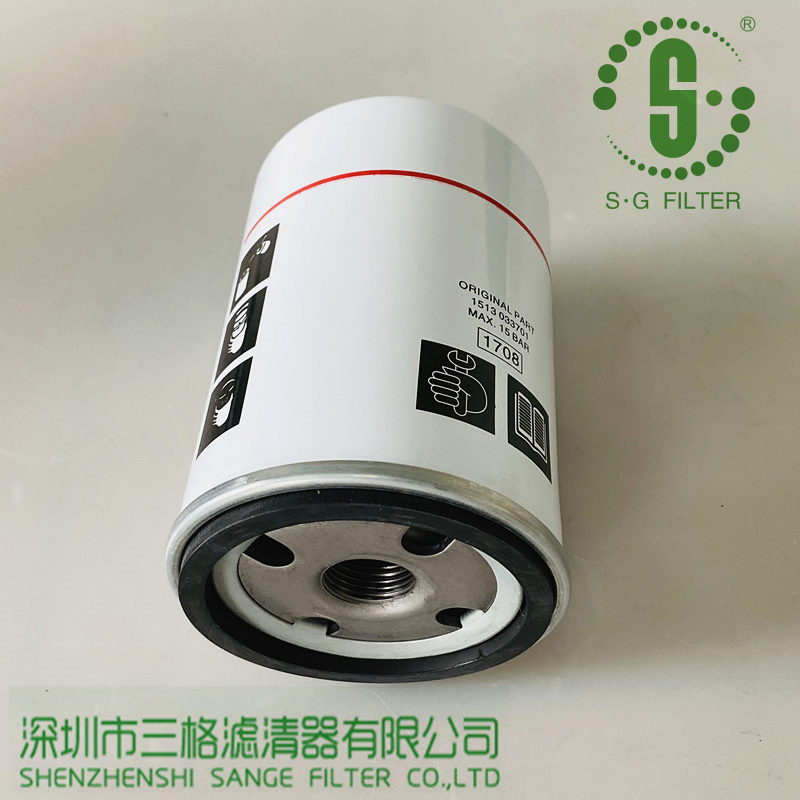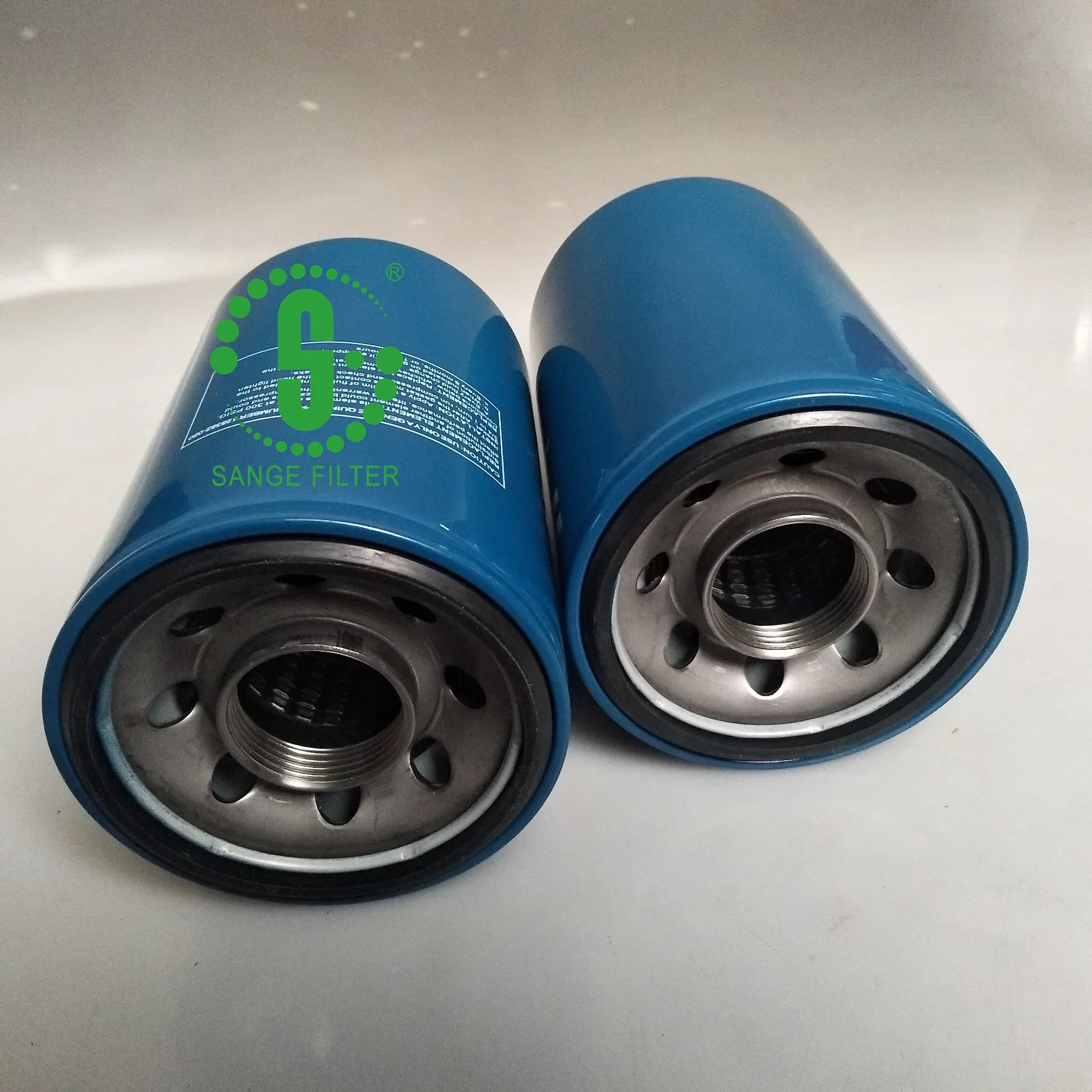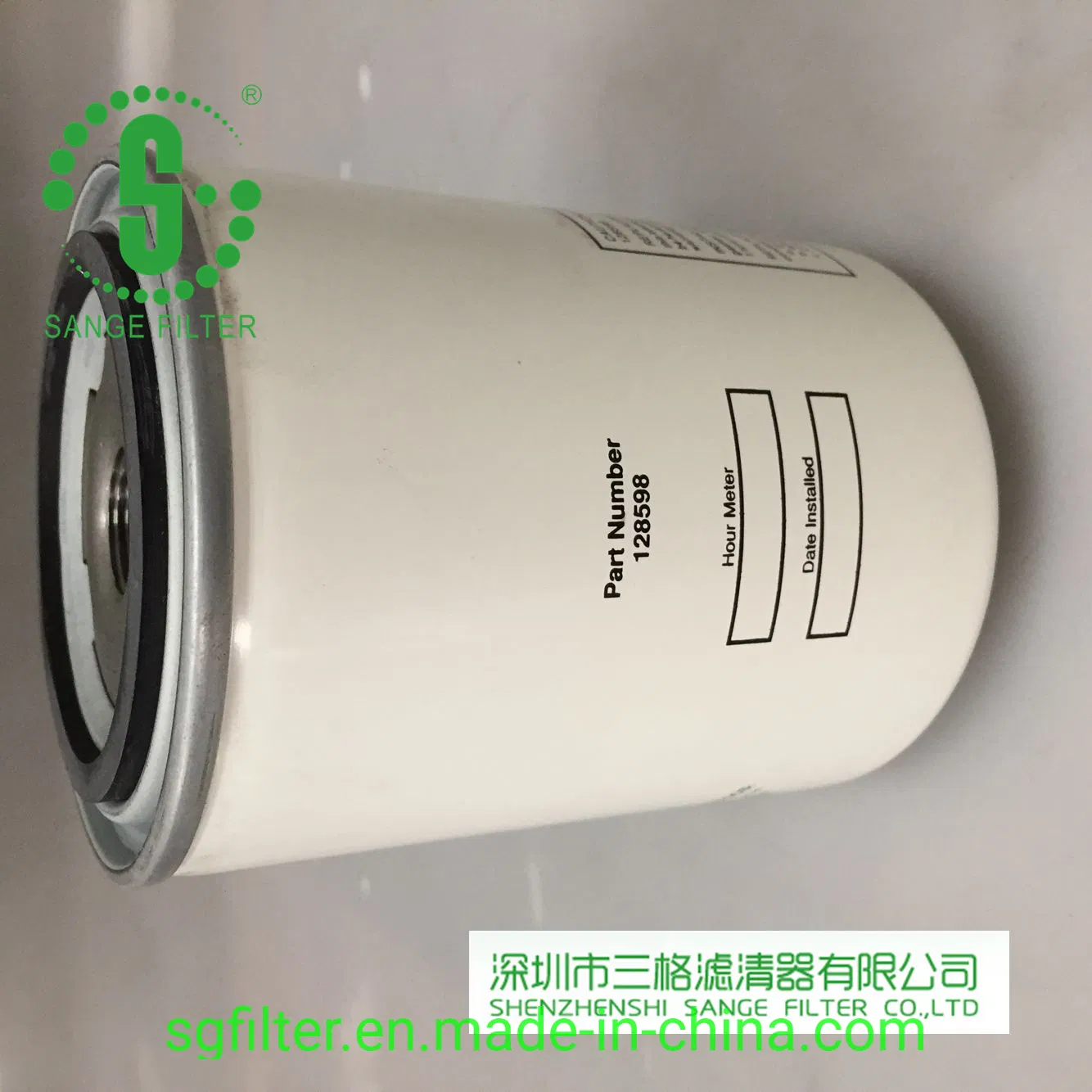

Oil Filter
Optimizing Engine Performance and Protection: The Essential Guide to Oil Filters
In the critical world of engine maintenance, few components are as vital yet as understated as the Oil Filter. Operating as the primary defense against contamination, a high-quality oil filter is indispensable for ensuring engine longevity, optimal performance, and operational reliability. Whether for heavy-duty industrial machinery, commercial fleets, or precision automotive applications, selecting the correct oil filter directly impacts total cost of ownership and equipment uptime. At industrial-equipments.com, we specialize in providing filtration solutions engineered for durability and peak efficiency across diverse industrial and vehicular applications.
Core Functions and Operational Principles
An Oil Filter performs the crucial task of removing contaminants from engine oil. These contaminants include:
- Metallic Particles: Wear debris from engine components like pistons, cylinders, and bearings.
- Soot and Carbon Deposits: By-products of the combustion process, especially in diesel engines.
- Sludge and Varnish: Result from oil oxidation and degradation over time.
- Environmental Contaminants: Dust, dirt, and silica that can enter through the air intake or during oil changes.
By trapping these harmful elements, the filter prevents abrasive wear, protects delicate engine parts, and helps maintain the oil's lubricating properties and viscosity. Modern filters often integrate a bypass valve, which allows oil to flow in the event of filter clogging, and an anti-drain back valve, which prevents oil from draining out of the filter when the engine is off, ensuring immediate lubrication at startup.
Detailed Product Parameters and Specifications
Choosing the right oil filter requires a detailed understanding of its technical specifications. Below is a comprehensive breakdown of key parameters.
Primary Filter Media Types
- Cellulose Media: Made from wood pulp. Offers good filtration efficiency for larger particles and is cost-effective. Typically provides filtration down to 25-40 microns.
- Synthetic Media (Glass, Polyester, etc.): Engineered materials providing superior filtration efficiency, often capturing particles as small as 10-20 microns. They offer higher dirt-holding capacity, better flow rates, and enhanced durability under extreme temperatures.
- Microglass Media: A premium synthetic option designed for ultra-fine filtration, capable of trapping particles down to 10 microns or less, significantly extending engine life.
Technical Specifications Table
| Parameter | Description & Importance | Typical Range / Options |
|---|---|---|
| Filter Part Number | Manufacturer's unique identifier for proper application matching. Critical for compatibility. | e.g., PH8A, LF-3487, Fleetguard LF3000 |
| Thread Size & Pitch | Defines the connection to the engine block. Must match precisely to prevent leaks. | e.g., 3/4"-16, M20 x 1.5, 1"-12 |
| Gasket / Seal Diameter | Outer diameter of the sealing gasket. Ensures a proper seal against the mounting surface. | Measured in mm or inches (e.g., 78.0mm, 3.25") |
| Height / Length | Overall physical dimension. Must fit within the allocated space on the engine. | Varies widely (e.g., 90mm to 250mm) |
| Outside Diameter | The canister's width. A spatial consideration for installation. | Varies widely (e.g., 76mm to 115mm) |
| Burst Pressure Rating | The internal pressure the filter can withstand before failing. Indicates structural integrity. | Typically 200 psi to 400+ psi |
| Bypass Valve Pressure | The oil pressure at which the bypass valve opens to ensure oil flow if the filter is clogged. | Usually 8-15 psi (varies by engine OEM spec) |
| Nominal Micron Rating | Indicates the size of particles the filter is designed to capture with high efficiency (e.g., 98.7%). | Commonly 10, 15, 20, 25, 30 microns |
| Absolute Micron Rating | The largest particle that can pass through the filter. A more stringent measure of efficiency. | Typically higher than the nominal rating (e.g., 40 microns for a nominal 25-micron filter) |
| Dirt Holding Capacity | The total amount of contaminants (in grams) the filter can hold before excessive restriction. | Ranges from ~10g (small auto) to 30g+ (heavy-duty) |
Performance & Compatibility Factors
- Efficiency Rating: Expressed as a percentage (e.g., 99% efficiency at capturing 20-micron particles). Higher is better.
- Flow Rate: The volume of oil that can pass through the filter per minute at a given pressure and viscosity. Must meet engine demands.
- API/SAE and OEM Certifications: Look for filters that meet or exceed specifications set by the American Petroleum Institute (API), SAE International, and the original equipment manufacturer (OEM).
- Application: Must be specified for the correct engine make, model, year, and displacement. industrial-equipments.com provides detailed cross-reference tools to ensure perfect fitment.
Oil Filter FAQ: Answering Common Technical Questions
Q: What is the difference between a nominal and an absolute micron rating?
A: The nominal micron rating represents the size of particles the filter media is expected to capture with a certain efficiency, often around 98.7%. For example, a 20-micron nominal filter will capture 98.7% of particles 20 microns or larger. The absolute micron rating is a more stringent measurement indicating the largest hard spherical particle that will pass through the filter under specified test conditions. The absolute rating is always a larger number than the nominal rating. For critical protection, both ratings should be considered, with a lower nominal rating generally indicating better filtration.
Q: How often should an oil filter be changed?
A: The oil filter should be changed with every oil change without exception. The filter's media becomes saturated with contaminants over time, and its ability to capture new particles diminishes. Using a new filter ensures the fresh oil stays clean. For severe service conditions (extreme temperatures, constant idling, dusty environments, frequent short trips), more frequent changes than the standard OEM interval may be necessary. Always consult your equipment's manual and consider your operating conditions.
Q: Can I use a cheaper oil filter without harming my engine?
A: While cheaper filters may physically fit, they often compromise on critical components. They may use lower-grade filter media with poor efficiency and dirt-holding capacity, have weaker canisters with lower burst pressure, or lack properly calibrated valves (bypass or anti-drain back). This can lead to increased engine wear, oil leaks, or even filter collapse. For industrial and commercial applications where downtime costs are high, investing in a high-quality filter from a trusted supplier like industrial-equipments.com is a cost-effective strategy for long-term engine health.
Q: What happens if the oil filter bypass valve opens?
A: The bypass valve is a safety feature. It opens when the filter becomes excessively clogged, creating a pressure differential that exceeds the valve's spring setting (e.g., 12 psi). When open, it allows oil to flow around the clogged filter media directly to the engine. This prevents oil starvation, but the oil is now unfiltered. Operating with an open bypass valve should be considered an emergency state. It means the filter is overdue for service, and the engine is running on contaminated oil, leading to accelerated wear. The condition should be rectified immediately.
Q: Are all oil filters for diesel and gasoline engines the same?
A: No. While the basic function is identical, diesel engine oil filters are typically built to a more robust standard. Diesel combustion produces more soot, and engines often have higher oil capacity and pressure. Diesel-specific filters are designed with greater dirt-holding capacity, stronger construction, and media optimized for trapping soot particles. Using a filter not rated for the specific engine type (gasoline or diesel) can lead to premature clogging or failure.
Q: What does the term "synthetic blend" or "full synthetic" media mean?
A: This refers to the construction material of the filter media. A synthetic blend combines cellulose fibers with synthetic materials like glass or polyester, offering a balance of performance and cost. Full synthetic media is made entirely from engineered materials. Full synthetic media generally provides the highest filtration efficiency (lower micron rating), superior durability under thermal stress, and the greatest dirt-holding capacity, making it ideal for extended drain intervals and severe operating conditions.
Q: How important is the anti-drain back valve?
A: Extremely important for engines where the filter is mounted sideways or inverted. This valve, typically a silicone diaphragm, prevents oil from draining out of the filter and the engine's oil galleries when the engine is off. Without it, the oil pump would have to refill the filter on startup, causing a brief but critical period of dry operation and wear. A failed anti-drain back valve is a common cause of engine tapping or knocking noises at startup.
- View as