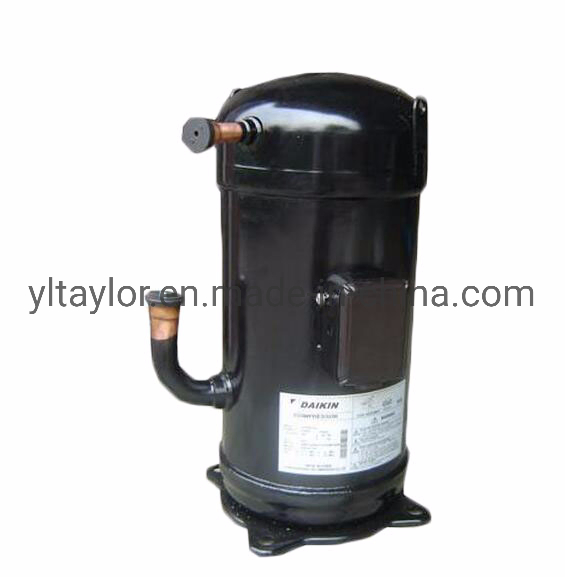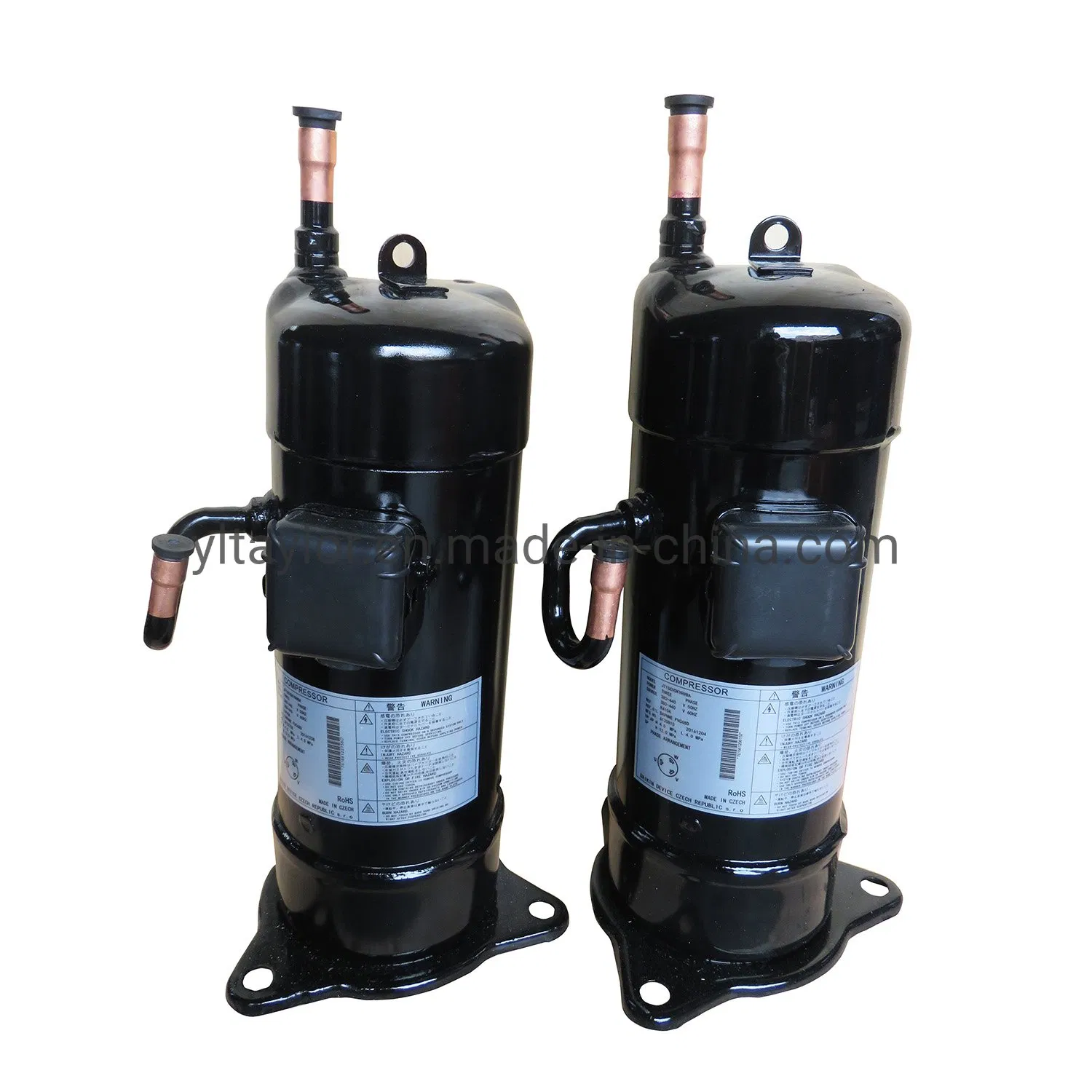

Compressor
The Essential Guide to Industrial Compressors: Powering Your Operations
For two decades in the industrial equipment sector, one truth remains constant: reliable compressed air is the lifeblood of countless operations. At industrial-equipments.com, we understand that selecting the right compressor is not merely a purchase; it's a critical investment in productivity, efficiency, and your bottom line. This comprehensive guide delves into the core principles, technical specifications, and key considerations to empower your decision-making process.
A compressor functions by taking in ambient air and mechanically reducing its volume, thereby increasing its pressure. This pressurized air is then stored in a receiver tank or delivered directly to power a vast array of tools, machinery, and processes. From pneumatic nail guns on a construction site to sophisticated automation in manufacturing and precise instrumentation in pharmaceuticals, the applications are virtually limitless.
Core Compressor Technologies: Understanding the Differences
Choosing the correct type is the first and most crucial step. Here are the primary technologies available:
- Reciprocating (Piston) Compressors: These are positive displacement machines where a piston moves within a cylinder to compress air. Ideal for intermittent use, high-pressure applications, and smaller workshops.
- Common Variants: Single-stage, Two-stage, Oil-lubricated, Oil-free.
- Rotary Screw Compressors: Utilizing two intermeshing helical screws, these compressors provide continuous, pulsation-free air flow. They are the workhorse for industrial applications requiring constant demand.
- Key Advantage: High efficiency in continuous duty cycles, lower maintenance compared to reciprocating models.
- Centrifugal Compressors: These dynamic compressors use a rotating impeller to transfer energy to the air, achieving very high flow rates. They are typically used in large-scale industrial plants, oil & gas, and HVAC systems.
- Typical Use: High-volume, multi-stage compression processes.
Critical Technical Parameters: Deciphering the Specifications
Understanding product specifications is non-negotiable for a sound investment. Below are the essential parameters you must evaluate, presented with the clarity and detail professionals expect from industrial-equipments.com.
| Parameter | Definition & Unit | Why It Matters | Industry Standard Range (Example) |
|---|---|---|---|
| Air Flow (CFM or m³/min) | Cubic Feet per Minute or Cubic Meters per Minute. The volume of air the compressor can deliver at a specific pressure. | This is the compressor's capacity. Your total tool/process CFM demand must be lower than the compressor's output. Always account for future expansion. | 5 CFM (small tools) to 5,000+ CFM (plant-wide systems). |
| Pressure (PSI or Bar) | Pounds per Square Inch or Bar. The force of the compressed air. | Your tools and equipment have minimum pressure requirements (e.g., 90 PSI). The compressor must exceed this to account for pressure drop in lines. | 90-175 PSI (common industrial), up to 5,000+ PSI (specialized high-pressure). |
| Horsepower (HP or kW) | Horsepower or Kilowatts. The power input of the motor driving the compressor. | Indicates the size and capability of the motor. Higher HP generally correlates with higher CFM output, but efficiency varies by technology. | 1.5 HP (portable) to 600+ HP (centrifugal systems). |
| Duty Cycle (%) | The percentage of time a compressor can run within a 10-minute cycle without overheating. | Reciprocating compressors may have a 50-70% duty cycle. Rotary screw compressors are designed for 100% continuous duty. Matching duty cycle to your usage pattern prevents premature failure. | 50% (intermittent), 75% (general duty), 100% (continuous). |
| Tank Size (Gallons or Liters) | The volume of the air receiver storage tank. | A larger tank allows the compressor to cycle less frequently, reducing motor wear, smoothing out demand pulses, and providing a reserve for short, high-demand events. | 5-80 gallons (stationary recip.), 80-500+ gallons (rotary screw systems). |
| Air Quality (Oil Content, Dew Point) | Measured in ppm (parts per million) for oil, °C/°F for pressure dew point. | Critical for sensitive applications (food, pharma, painting). Requires appropriate filtration and drying systems. "Oil-free" compressors have Class 0 certification. | Class 0 (Oil-free), Class 1-4 (Lubricated). Dew Point: +3°C to -70°C. |
Essential Selection Criteria Checklist
Before you finalize your compressor selection from industrial-equipments.com, run through this practical checklist:
- Application Profile: List every tool, machine, and process that will use the air, noting their individual CFM and PSI requirements. Sum the total CFM and add a 25-30% safety factor for future growth and system leaks.
- Operation Pattern: Is your air demand constant (e.g., running an assembly line) or intermittent (e.g., occasional tool use)? This dictates the required duty cycle and technology (e.g., rotary screw for constant demand).
- Power Source Availability: Verify your available electrical supply (single-phase or three-phase, voltage) at the installation site. Larger industrial compressors typically require three-phase power.
- Installation Environment: Consider space constraints, ventilation (compressors generate heat), and ambient conditions (temperature, dust). Room for maintenance access is crucial.
- Total Cost of Ownership (TCO): Look beyond the initial purchase price. Factor in energy consumption (the largest cost over time), scheduled maintenance, part replacement costs, and expected lifespan.
- Air Treatment Needs: Do you need dry, clean air? Plan for auxiliary equipment like refrigerant dryers, desiccant dryers, particulate filters, and oil coalescing filters.
Compressor FAQ: Expert Answers to Common Questions
Q: What size air compressor do I actually need for my workshop?
A: Sizing is critical. First, create a detailed list of all pneumatic tools you will use simultaneously. Find each tool's CFM requirement at your operating pressure (usually listed at 90 PSI). Add these CFM values together. Then, multiply this total by a factor of 1.3 (30% safety margin) to account for future additions, coupling losses, and potential air leaks in the system. The result is the minimum CFM rating your compressor should have. For example, if your simultaneous tools need 20 CFM, you should look for a compressor capable of at least 26 CFM. The experts at industrial-equipments.com can assist with precise sizing calculations.
Q: What is the fundamental difference between an oil-lubricated and an oil-free compressor?
A: The core difference lies in the compression chamber lubrication and the resulting air quality. Oil-lubricated compressors use oil to seal, cool, and lubricate the moving parts (like pistons or screws). This leads to higher efficiency and durability but introduces trace amounts of oil aerosol into the compressed air, requiring filters for clean-air applications. Oil-free compressors use permanently lubricated bearings and non-stick coatings (like Teflon) on compression elements. They deliver 100% oil-free air (Class 0), which is mandatory for food processing, pharmaceutical manufacturing, electronics, and certain painting applications, but they may have a higher initial cost and potentially a shorter service life on the compression module.
Q: How often should I perform maintenance on my industrial compressor?
A: Maintenance frequency is non-negotiable for reliability and is dictated by the compressor type and operating hours. For a standard rotary screw compressor running one shift, a common schedule includes: Daily: Check and drain condensate from tanks and dryers. Weekly: Inspect for leaks and check oil levels. Every 500-2000 Hours (or per manufacturer spec): Change oil, oil separator, and air intake filter. Every 2000-4000 Hours: Change oil filters and inspect valves, belts, and coolers. Reciprocating compressors require more frequent checks on valves, pistons, and belts. Always, always follow the specific maintenance manual provided by the manufacturer. Neglecting maintenance is the leading cause of catastrophic failure.
Q: My compressor is running constantly and cannot keep up with demand. What are the likely causes?
A: A compressor that "never shuts off" indicates a problem. The primary causes are: 1) System Air Leaks: This is the most common culprit. A small leak can waste significant CFM. Listen for hissing sounds and conduct a leak-down test. 2) Increased Air Demand: You may have added equipment without upgrading the compressor. Re-evaluate your total CFM needs. 3) Mechanical Issues: Worn piston rings (in recip), degraded screw elements (in rotary), faulty intake valves, or a clogged air filter can drastically reduce the compressor's actual output (CFM). 4) Undersized Unit: The compressor may have been incorrectly sized from the outset. Start by conducting a thorough leak audit before investigating mechanical faults.
Q: Why is air drying and filtration so important, and what system do I need?
A: Ambient air contains moisture and particulates. Compressing this air concentrates these contaminants, which can cause corrosion in pipes, damage to tools and pneumatic components, and ruin finished products (e.g., paint jobs, food items). A basic filtration and drying setup includes: a coalescing filter (removes liquid water and oil aerosols), a refrigerant dryer (cools air to condense and remove water vapor, achieving a pressure dew point of ~3°C/37°F), and a desiccant dryer for extremely dry air (down to -40°C/F dew point for sensitive applications). The team at industrial-equipments.com can configure the right treatment package for your air quality specifications.
Beyond the Unit: The Complete Compressed Air System
An efficient compressed air system extends far beyond the compressor itself. To ensure performance, longevity, and safety, consider these integral components available through industrial-equipments.com:
- Air Receivers (Tanks): Provide storage, dampen pressure pulsations, and allow condensate to settle.
- Filtration Systems: Multi-stage filters remove particulates, oil, and water from the air stream.
- Dryers: Refrigerant or desiccant types reduce the moisture content (dew point) of the compressed air.
- Piping Distribution: Properly sized piping (e.g., aluminum, stainless steel) minimizes pressure drop across your facility.
- Condensate Management: Automatic drains remove collected moisture from tanks, filters, and dryers in an environmentally compliant manner.
- System Controllers: Advanced controllers monitor and optimize multiple compressors (in a network), managing efficiency and preventing unnecessary run time.
- View as