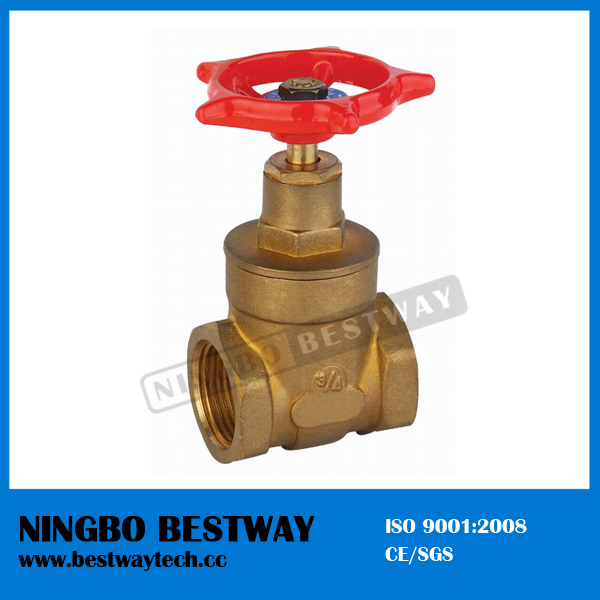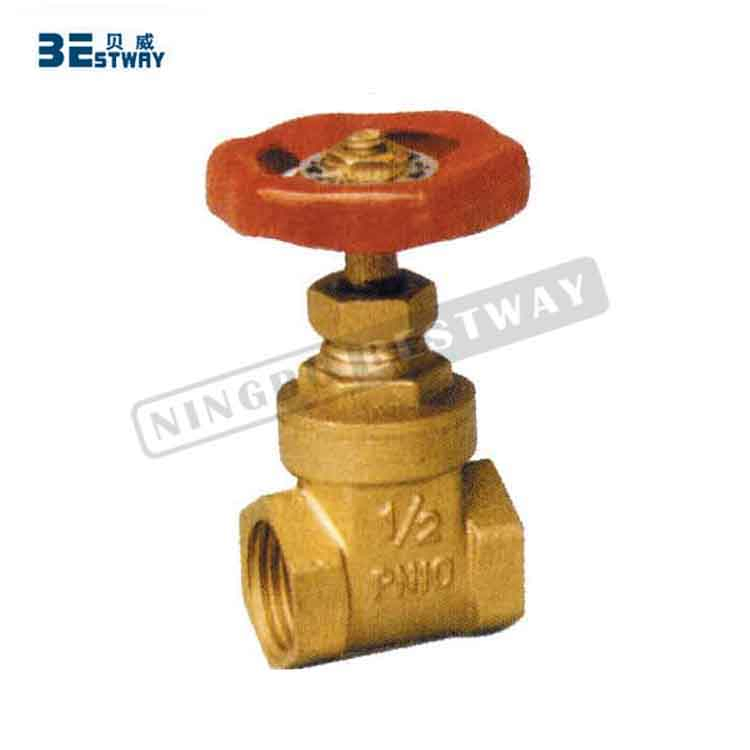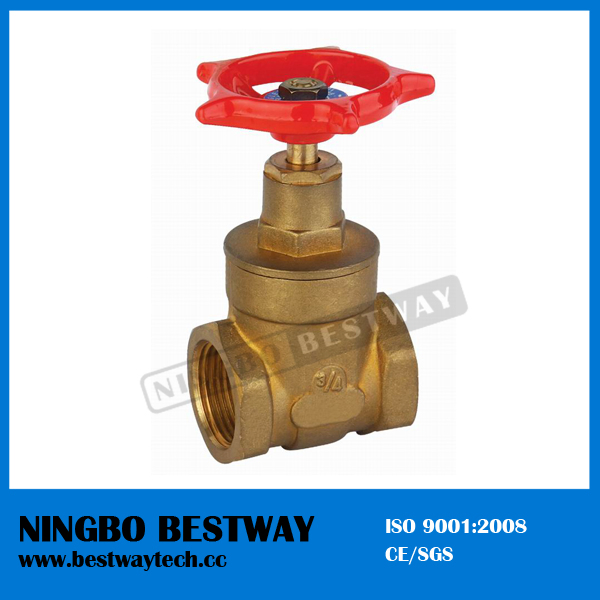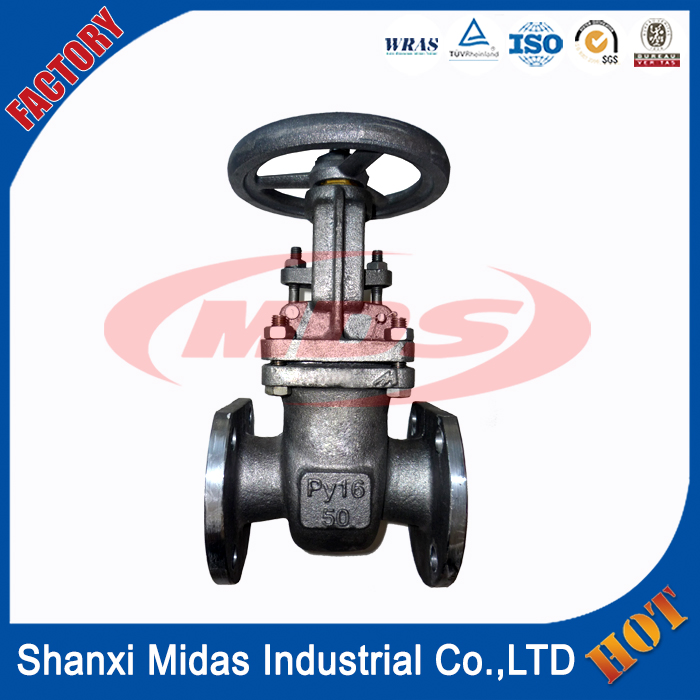

Gate Valve
The Essential Guide to Industrial Gate Valves
For over two decades in the fluid control industry, specifying the right valve for critical isolation applications has been paramount. Among the various types, the gate valve stands as a fundamental and indispensable component in countless industrial systems. At industrial-equipments.com, we specialize in providing high-performance gate valves engineered for durability, reliability, and precise shut-off. This comprehensive guide delves into the design, operation, specifications, and selection criteria for industrial gate valves.
Understanding Gate Valves: Design and Operation
A gate valve is primarily designed for on/off service, not for flow regulation. It operates by lifting a rectangular or circular "gate" (the disc) out of the path of the fluid. When fully open, a gate valve typically presents no obstruction to flow, resulting in very low pressure loss. This straight-through flow path is a key characteristic.
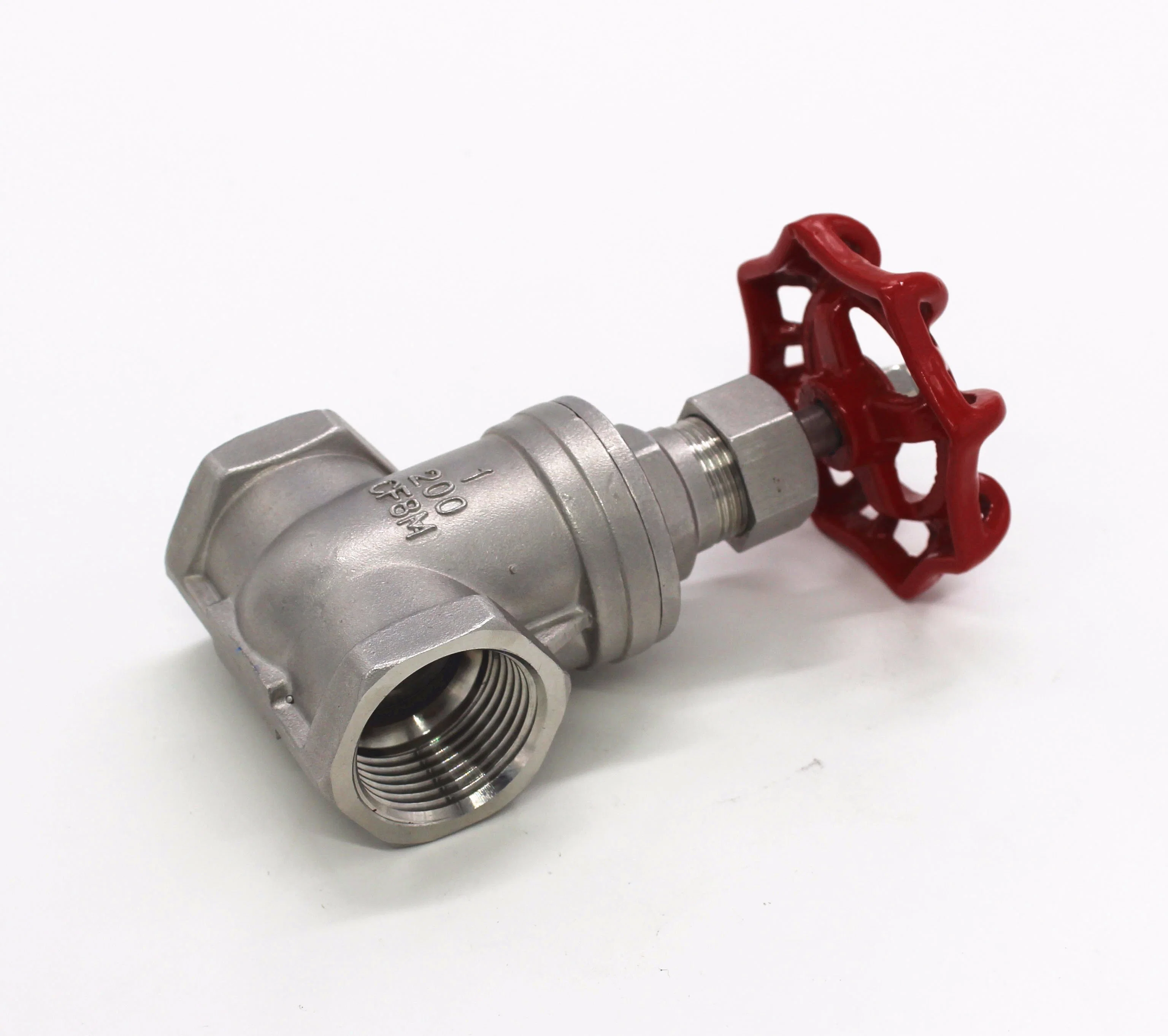
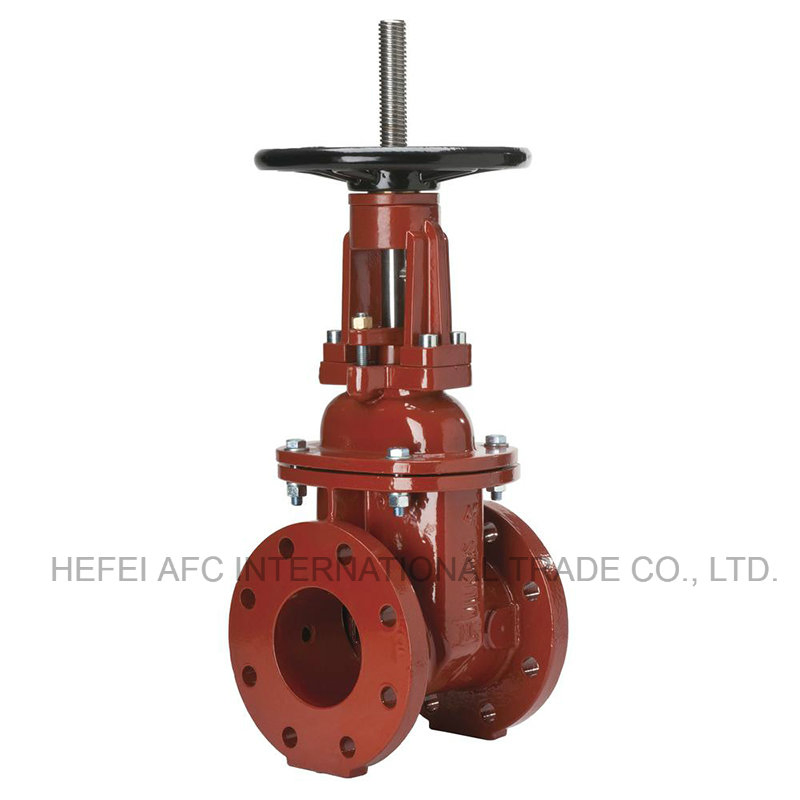
The main components of a standard gate valve include:
- Body: The main pressure-containing housing, available in various materials.
- Bonnet: The cover attached to the body, housing the stem assembly.
- Gate/Disc: The solid obstruction that moves to block or permit flow.
- Stem: The rod that connects the handwheel or actuator to the gate (rising or non-rising).
- Seat: The surface against which the gate seals to stop the flow.
- Packing: A seal system around the stem to prevent leakage.
Key Product Specifications and Parameters
Selecting the correct gate valve requires a detailed understanding of its specifications. At industrial-equipments.com, our valves are manufactured to meet rigorous international standards. Below are the critical parameters to consider.
Primary Design Features
- Type: Solid Wedge, Flexible Wedge, Split Wedge, Parallel Slide.
- Bonnet Connection: Bolted, Screwed, Welded, Pressure Seal.
- Stem Design: Rising Stem (OS&Y), Non-Rising Stem (NRS).
- End Connections: Flanged (RF, RTJ), Screwed (NPT, BSP), Socket Weld, Butt Weld.
- Operation: Manual (Handwheel, Gear), Pneumatic, Electric, Hydraulic Actuation.
Material Specifications
Material selection is dictated by the service fluid, pressure, temperature, and corrosion requirements.
| Component | Common Materials | Typical Service Application |
|---|---|---|
| Body & Bonnet | Cast Carbon Steel (WCB), Stainless Steel (CF8/304, CF8M/316), Duplex Steel, Bronze, Cast Iron | Water, Oil, Gas, Steam, Chemicals, Cryogenics |
| Gate/Disc | Stainless Steel, Carbon Steel with Hardface (Stellite), Bronze | Must match or exceed body material for corrosion/erosion resistance. |
| Seat Rings | Stainless Steel, Integral Seat, Hard-faced, PTFE inserts | Provides the sealing surface; critical for tight shut-off. |
| Stem | Stainless Steel (410, 304, 316), Alloy Steel | Requires strength and corrosion resistance. | Packing | Graphite, PTFE, Reinforced Elastomers | Leak-free stem sealing across temperature ranges. |
Pressure and Temperature Ratings
| Standard | Pressure Class (e.g., ANSI) | Temperature Range |
|---|---|---|
| ASME B16.34 | Class 150, 300, 600, 900, 1500, 2500 | Varies by material; from cryogenic (-196°C) to high-temp steam (600°C+). |
| PN (DIN) | PN10, PN16, PN25, PN40, PN64, PN100 | Ratings are defined relative to a reference temperature. |
It is crucial to consult the specific pressure-temperature rating charts for the chosen body material and class when sourcing from industrial-equipments.com.
Gate Valve FAQs (Frequently Asked Questions)
Q: What is the primary use of a gate valve?
A: The primary use of a gate valve is for isolation or on/off service in a pipeline. It is designed to be either fully open (allowing unrestricted flow) or fully closed (providing a tight seal against flow). It is not recommended for throttling or regulating flow, as partial opening can cause vibration, erosion of the disc and seats, and premature valve failure.
Q: What is the difference between a rising stem (OS&Y) and a non-rising stem gate valve?
A: In an Outside Screw & Yoke (OS&Y) or rising stem design, the stem threads are outside the valve body, and the stem rises above the handwheel when the valve is opened. This provides a clear visual indication of the valve position. In a non-rising stem (NRS) design, the stem threads are inside the valve, and the stem does not move up or down; only the handwheel rotates. NRS valves are used where vertical space is limited.
Q: Can gate valves be installed in any orientation?
A: While gate valves are versatile, orientation matters. They are typically installed with the stem vertical or slightly off-vertical. Installing a valve with the stem horizontal can cause uneven wear on the packing and guide bushings. It is always best to follow the manufacturer's installation guidelines, such as those provided with every valve from industrial-equipments.com.
Q: Why does my gate valve become difficult to operate over time?
A: Several factors can cause a gate valve to seize or become hard to operate. Common causes include corrosion or scaling on the stem and gate tracks, debris buildup in the body cavity, lack of lubrication on the stem threads, or thermal binding in high-temperature applications where differential expansion locks the gate. Regular maintenance and cycling of the valve can prevent these issues.
Q: What are the advantages of a wedge gate valve compared to other types?
A: Solid wedge gate valves are simple, strong, and suitable for most fluids, including turbulent flow. Flexible wedge gate valves have a cut around the perimeter, allowing the gate to flex slightly and improve sealing, making them better for systems with temperature fluctuations. Split wedge or parallel slide valves are excellent for handling non-condensing gases and liquids at high temperatures, as they minimize thermal binding risks.
Q: How do I identify the specifications of an existing gate valve?
A: Critical information is often cast or stamped on the valve body. Look for the manufacturer's name or logo, material designation (e.g., WCB, CF8M), pressure class (e.g., 150#, PN40), bore size, and sometimes the seat/trim type. If markings are unclear, measuring the face-to-face dimensions, flange size and drilling, and stem type can help in finding a replacement from a supplier like industrial-equipments.com.
Q: Are gate valves suitable for slurry or viscous media?
A: Standard gate valves are generally not recommended for slurry service or highly viscous fluids. The slurry can settle in the bottom of the valve body, preventing the gate from closing fully, causing erosion of the seating surfaces, and making operation difficult. For such applications, specialized valves like knife gate valves or pinch valves are more appropriate.
Selection and Sourcing Considerations
Choosing the right gate valve extends beyond just size and pressure rating. Consider the full service conditions:
- Fluid Characteristics: Corrosiveness, viscosity, abrasiveness, and potential for crystallization.
- Cycle Frequency: How often will the valve be operated? Frequent cycling may favor specific designs/materials.
- Leakage Tolerance: Does the application require zero leakage? Metal-seated valves offer tight shut-off but may not be bubble-tight like soft-seated variants.
- Actuation Needs: For remote, automated, or high-torque applications, pairing the valve with a suitable pneumatic, electric, or hydraulic actuator is necessary.
Partnering with a knowledgeable supplier is critical. At industrial-equipments.com, our technical team leverages decades of experience to assist engineers and procurement specialists in selecting the optimal gate valve for their specific application, ensuring system integrity, safety, and long-term performance.
- View as