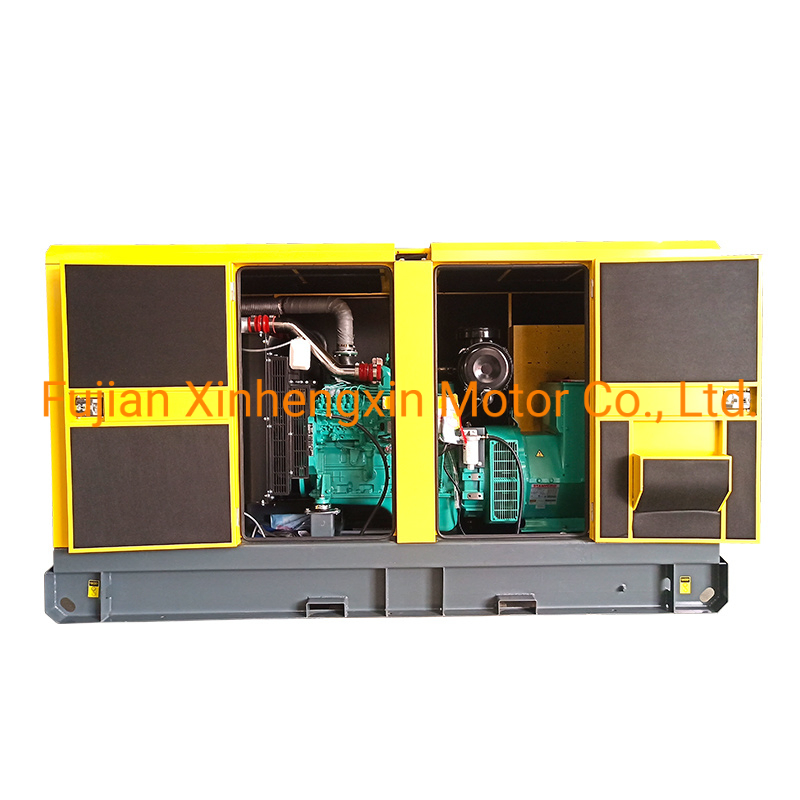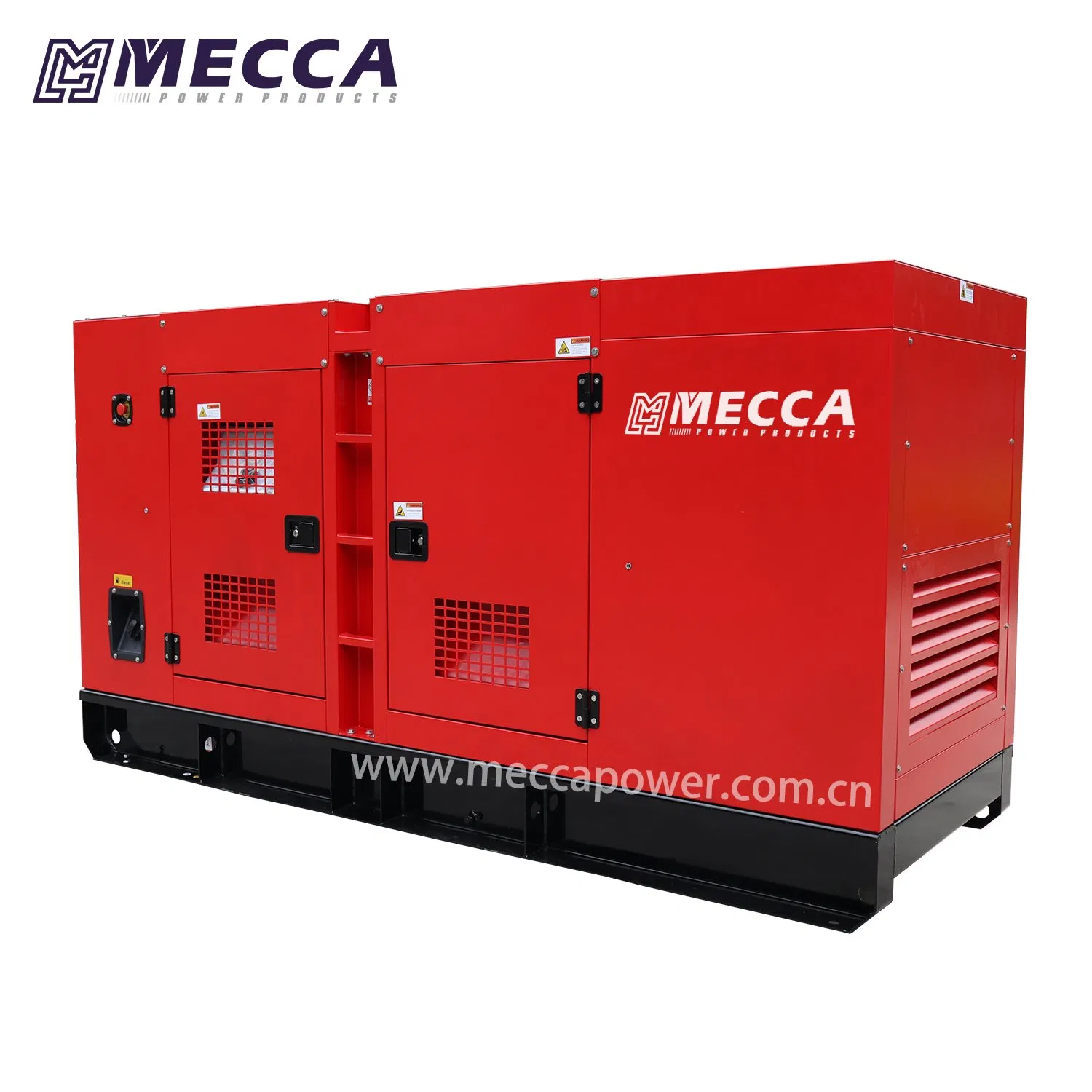

Diesel Generator
What is a Diesel Generator?
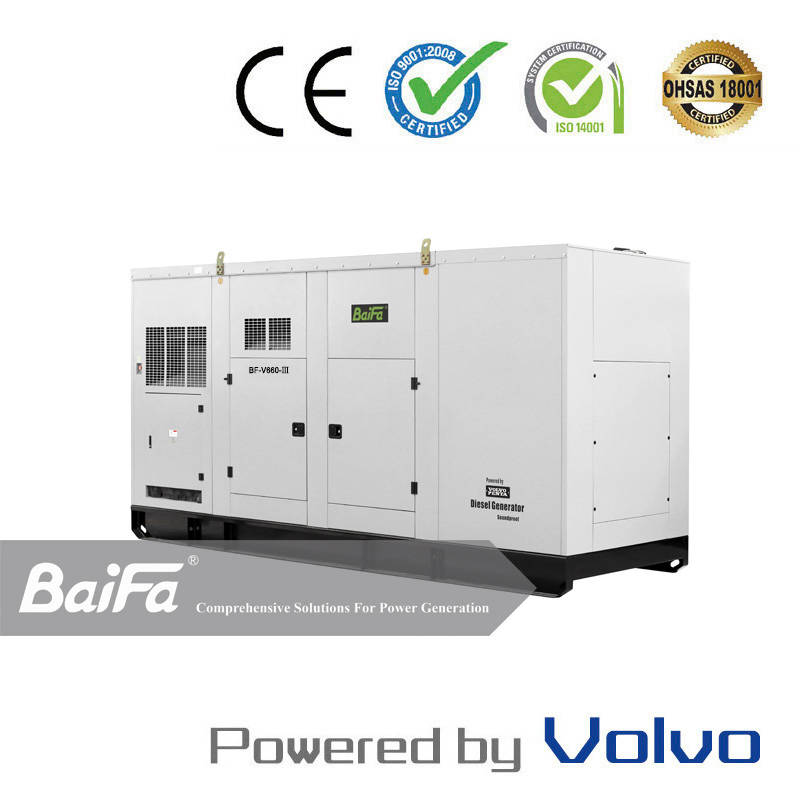
In today's world, where power outages and the need for reliable off-grid electricity are increasingly common, a diesel generator stands as a robust and dependable power solution. A diesel generator is a combination of a diesel engine and an alternator (electric generator) designed to convert the chemical energy of diesel fuel into electrical energy. They are renowned for their durability, fuel efficiency under load, and long operational life, making them the preferred choice for a wide array of applications, from industrial and commercial backup power to primary power for remote locations and construction sites.
At the core of industrial-equipments.com's product philosophy is the commitment to delivering generators that embody resilience and performance. Our diesel generator units are engineered to provide stable, continuous power, ensuring your operations remain uninterrupted. Unlike gasoline-powered alternatives, diesel generators offer superior torque and thermal efficiency, meaning they consume less fuel per kilowatt-hour of power produced, especially during prolonged use at or near their rated capacity.
Key Features and Advantages of Our Diesel Generators
Choosing the right power generation equipment is critical. Our diesel generators at industrial-equipments.com are built with features that set them apart:
- High Fuel Efficiency & Lower Operational Cost: Diesel engines inherently have a higher compression ratio, leading to better fuel economy compared to other fuel types. This translates to significant long-term savings, particularly for continuous or prime power applications.
- Exceptional Durability & Long Service Life: Diesel engines are built with stronger, heavier components designed to withstand higher pressures. This robust construction results in a longer lifespan and reduced frequency of major overhauls.
- Reliable Performance Under Heavy Load: Diesel generators excel at handling heavy electrical loads and are less prone to stalling. They maintain consistent voltage and frequency, which is crucial for sensitive industrial equipment.
- Superior Torque Output: The high torque characteristic of diesel engines makes them ideal for applications requiring high starting power, such as motors, pumps, and heavy machinery.
- Enhanced Safety: Diesel fuel is less flammable than gasoline, presenting a lower fire hazard during storage and refueling operations.
- Advanced Control Systems: Our generators feature state-of-the-art control panels with automatic start/stop (ATS compatibility), comprehensive fault monitoring, and remote management capabilities.
Technical Specifications and Product Parameters
Understanding the technical specifications is vital for selecting a generator that matches your power requirements precisely. Below is a detailed list and table outlining the key parameters of our standard diesel generator range available at industrial-equipments.com.
Critical Parameters Explained:
- Rated/Standby Power (kVA/kW): This indicates the generator's power output. Standby power is the maximum load it can handle for emergency backup (typically with a variable load factor), while prime or continuous power is the load it can handle indefinitely. Always size your generator based on your total connected and starting load.
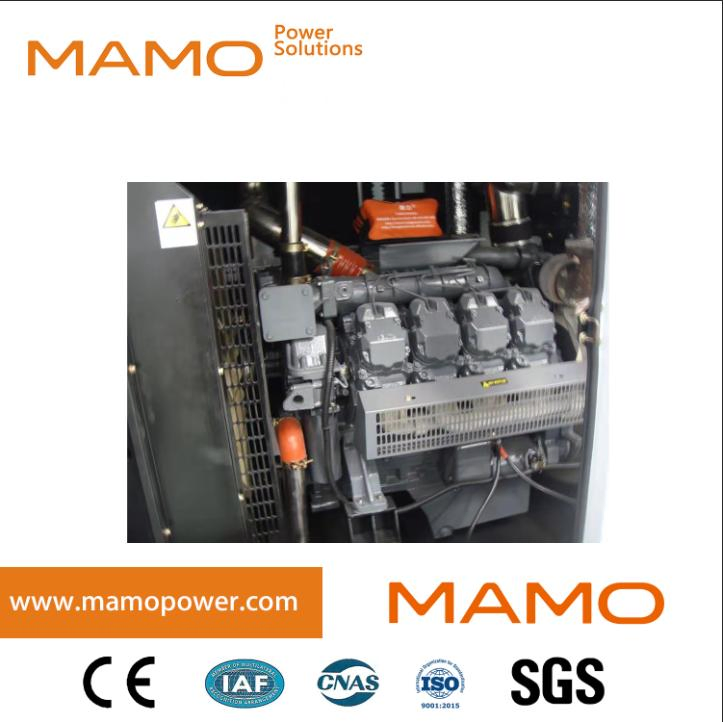
- Engine Model & Brand: We partner with world-renowned engine manufacturers known for reliability and global service support. The engine is the heart of the generator.
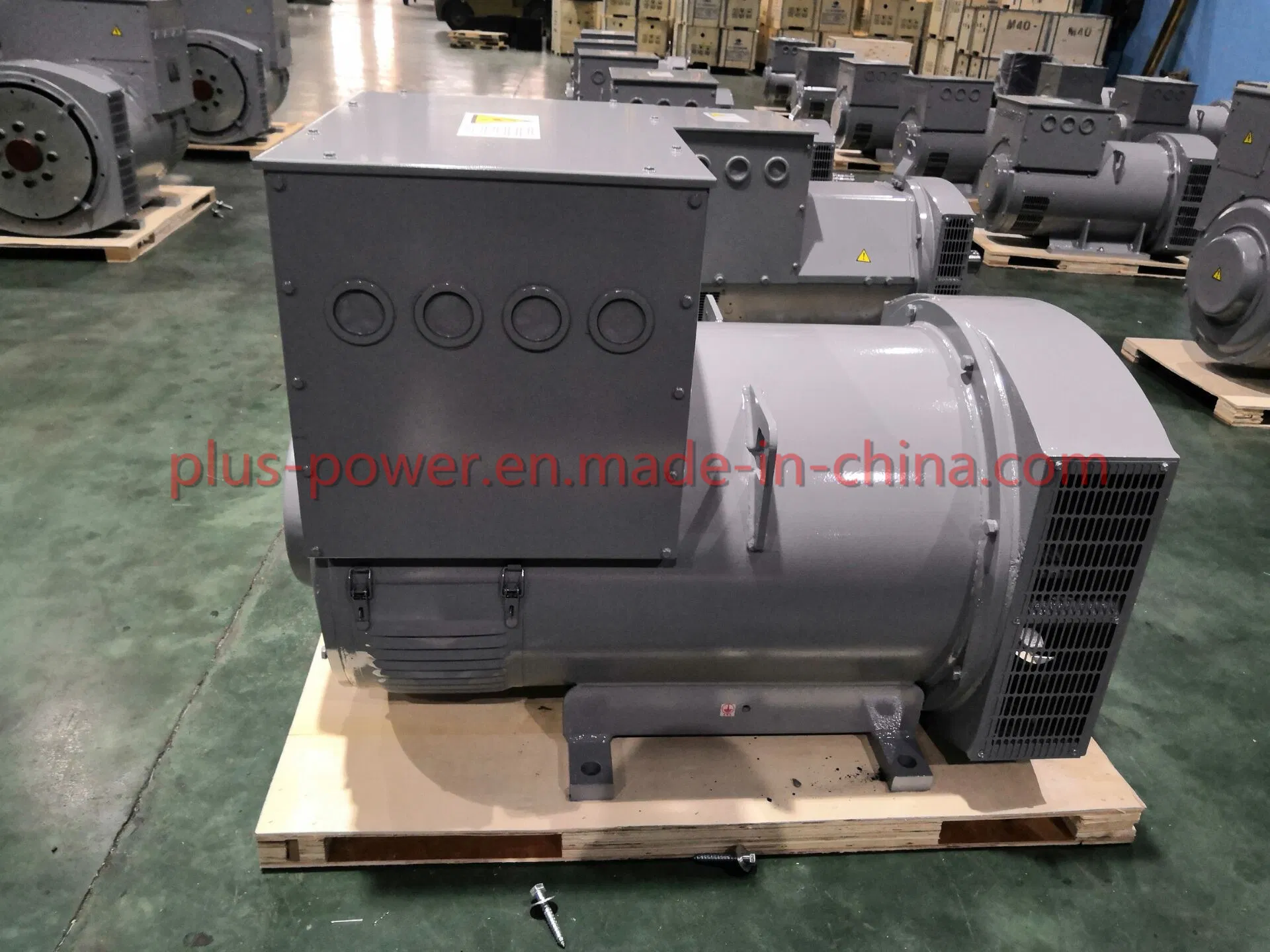
- Alternator (Generator End): A high-quality alternator ensures clean, stable power output with low harmonic distortion, protecting your connected electronics.
- Fuel Consumption: Measured in liters per hour (L/h) at a specific load (e.g., 75% load). This data is crucial for calculating running costs and planning fuel storage.
- Voltage & Phase: Common outputs include single-phase (120/240V) for smaller applications and three-phase (208/480V) for industrial and commercial facilities.
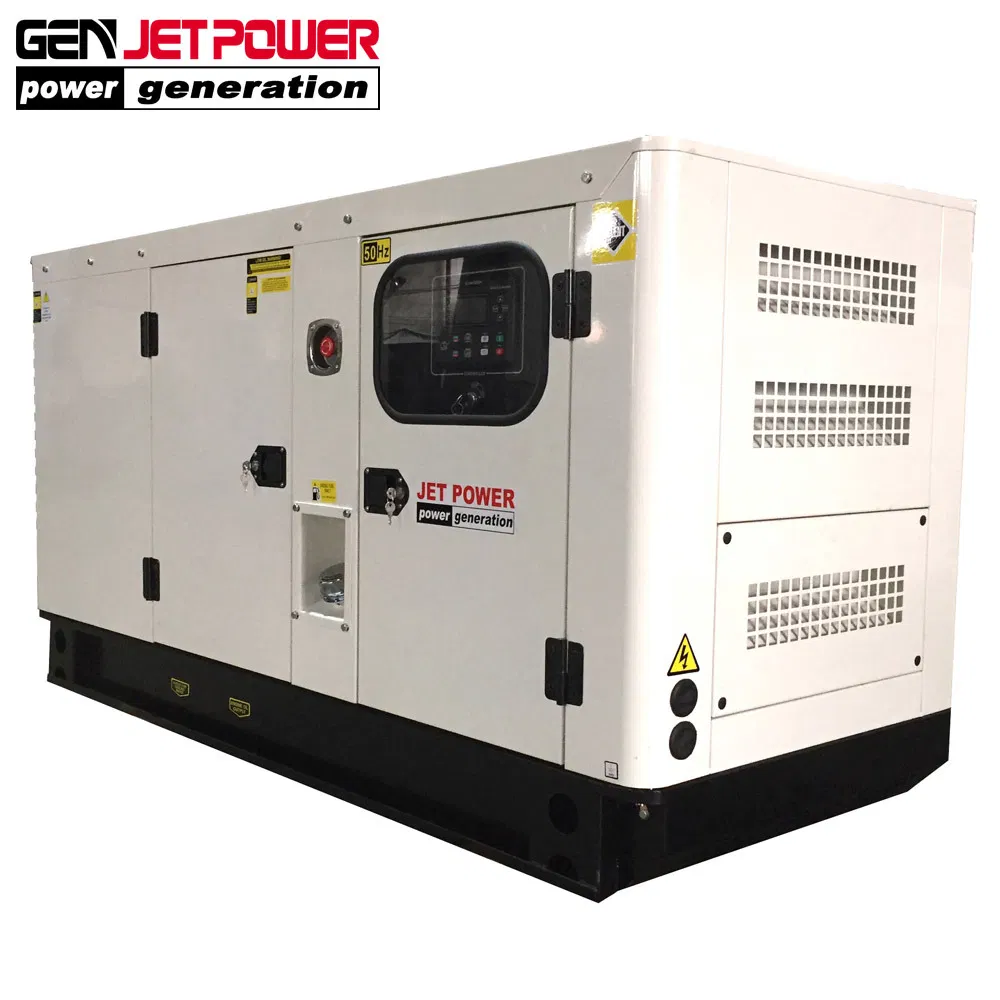
- Sound Pressure Level (dBA): The noise level measured at a specific distance (e.g., 7 meters). Critical for installations in noise-sensitive environments. Enclosed or silenced models offer significantly lower dBA levels.
- Dimensions & Dry Weight: Essential for planning transportation, site access, and foundation requirements.
Sample Product Range Table:
| Model Series | Standby Power (kVA) | Prime Power (kVA) | Engine Brand | Phase | Fuel Consumption at 75% Load (L/h) | Approx. Noise Level @7m (dBA) | Enclosure Type |
|---|---|---|---|---|---|---|---|
| DG-50 | 50 | 45 | Perkins | 3-Phase | 10.5 | 72 | Open Frame |
| DG-100S | 100 | 90 | Volvo Penta | 3-Phase | 18.2 | 68 | Silenced Canopy |
| DG-200 | 200 | 180 | MTU | 3-Phase | 32.0 | 70 | Open Frame |
| DG-350P | 350 | 315 | Cummins | 3-Phase | 51.5 | 75 | Prime Power Skid |
| DG-500 | 500 | 450 | MTU | 3-Phase | 68.0 | 78 | Weatherproof Enclosure |
Note: Specifications are subject to change. Contact industrial-equipments.com for the most accurate and detailed datasheet for any specific model.
Diesel Generator FAQ
Q: What is the main difference between standby, prime, and continuous power ratings?
A: Standby Power (ESP) is the maximum output available for the duration of a power outage, typically not exceeding 200-500 hours per year, assuming an average load of 70-80%. Prime Power (PRP) is the maximum power available for an unlimited number of hours per year at a variable load. Continuous Power (COP) is the maximum power available for an unlimited number of hours per year at a constant 100% load. Selecting the correct rating is crucial for generator longevity and warranty compliance.
Q: How often does a diesel generator require maintenance?
A: Regular maintenance is key to reliability. Standard intervals include daily checks (coolant, fuel, oil levels), weekly tests (exercise the generator under load), and scheduled service every 250-500 operating hours or 6-12 months (whichever comes first). This service involves oil and filter changes, coolant system checks, and overall inspection. industrial-equipments.com provides detailed maintenance schedules and supports with genuine spare parts.
Q: Can a diesel generator power sensitive electronic equipment?
A: Yes, but it requires a generator with a high-quality alternator that produces clean, stable power with low Total Harmonic Distortion (THD), ideally below 5%. Many modern generators from industrial-equipments.com feature advanced AVR (Automatic Voltage Regulation) and brushless alternator designs specifically to protect sensitive electronics like servers, medical equipment, and telecommunications gear.
Q: How do I calculate the correct size (kVA/kW) of diesel generator I need?
A: Sizing involves three steps: 1) List all equipment to be powered and their running watts. 2) Identify any equipment with high starting currents (like motors) and their starting watts (often 3-5 times running watts). 3) Sum the total running watts and the largest additional starting wattage. Add a 10-20% future load margin. It's highly recommended to consult with the engineering team at industrial-equipments.com for a professional load analysis to avoid costly undersizing or inefficient oversizing.
Q: What are the fuel storage requirements and considerations?
A: Diesel fuel can degrade over time (a process called "diesel bug" or microbial growth). For long-term storage, use a stabilized fuel additive, keep tanks full to minimize condensation, and implement a regular fuel polishing or rotation schedule. Local regulations may dictate tank size, placement, and bundling requirements. industrial-equipments.com can advise on integrated base fuel tank options for their generator sets.
Q: How loud is a typical diesel generator, and can it be silenced?
A: An open-frame industrial diesel generator can produce 85-100+ dBA at 1 meter. However, most installations require noise attenuation. Sound-attenuated canopies or enclosures can reduce noise to 65-75 dBA at 7 meters, suitable for many urban areas. For ultra-quiet applications (e.g., hospitals, residential areas), specially designed "super-silent" enclosures from industrial-equipments.com can achieve levels as low as 55-60 dBA at 7 meters.
Q: What is an Automatic Transfer Switch (ATS), and do I need one?
A: An ATS is a critical component for backup power systems. It automatically detects a utility power failure, signals the generator to start, and transfers the electrical load to the generator. Once utility power is restored, it transfers the load back and shuts down the generator. For any facility requiring seamless, unattended backup power, an ATS is essential. industrial-equipments.com offers integrated ATS solutions compatible with their generator controls.
Applications of Diesel Generators
The versatility of diesel power ensures its use across numerous sectors. Our generators from industrial-equipments.com are deployed in:
- Data Centers & Telecommunications: Providing critical, fault-tolerant backup power to maintain uptime and data integrity.
- Healthcare Facilities: Hospitals and clinics rely on them for life-support systems, surgical rooms, and emergency lighting.
- Industrial Manufacturing: Preventing costly production downtime, protecting machinery from damaging power interruptions, and serving as prime power in remote plants.
- Commercial Buildings: Office towers, shopping malls, and hotels use them for elevators, HVAC, security systems, and lighting.
- Construction & Mining: Providing primary power for tools, site offices, and lighting where grid connection is unavailable.
- Water & Wastewater Treatment Plants: Ensuring continuous operation of pumps and processing equipment, which is vital for public health.
- Events & Entertainment: Powering concerts, festivals, and film sets reliably and efficiently.
- View as