

Tactile Paving: Transforming Urban Accessibility Through Top Safety Solutions
2026-04-03
In a world where urban design often overlooks the needs of all citizens, tactile paving stands as a silent hero, transforming cityscapes into inclusive environments. Imagine walking through a bustling street, guided not just by sight but by the subtle textures under your feet—solutions that enhance safety and accessibility for everyone. At Beata Ceramics, we believe that thoughtful materials can shape better communities, which is why we're diving into the innovative world of tactile paving in this blog. From its origins to cutting-edge applications, we'll explore how these top safety solutions are revolutionizing urban accessibility, one pavement block at a time. Join us on this journey to discover how design empathy and practical innovation can bridge gaps and create spaces where everyone truly belongs.
The Visual and Functional Impact of Tactile Paving in Modern Cities
In bustling cityscapes, tactile paving subtly transforms the urban environment by blending safety with aesthetics. These textured surfaces guide individuals with visual impairments, fostering independence in navigating sidewalks and transit hubs. Beyond their practical role, they add subtle visual interest, using patterns and colors to create a cohesive and accessible design language across public spaces.
The functional benefits extend beyond aiding navigation; they enhance overall pedestrian flow and safety for all users, including those pushing strollers or distracted by mobile devices. By integrating tactile cues into sidewalks, crosswalks, and platforms, cities can reduce accidents and improve orientation, making urban areas more inclusive and navigable for everyone.
Visually, tactile paving contributes to the character of modern cities by incorporating materials and designs that complement architectural styles. From minimalist concrete patterns to vibrant tiles, these elements can serve as subtle landmarks, adding texture and depth to otherwise uniform surfaces without overwhelming the visual landscape.
Navigating Safety Standards: How Tactile Surfaces Prevent Urban Hazards
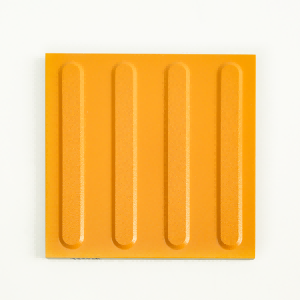
Tactile surfaces, often overlooked in urban design discussions, play a silent yet vital role in safeguarding pedestrians by adhering to rigorous safety standards. These textured ground indicators, such as truncated domes and directional bars, are strategically deployed in high-risk areas like subway platforms, crosswalks, and building entrances. By providing clear, physical cues, they help visually impaired individuals navigate complex environments independently, reducing accidents and enhancing overall accessibility. Compliance with regulations, such as the Americans with Disabilities Act (ADA) in the U.S., ensures these surfaces are consistently implemented to prevent common urban hazards, from unexpected drops to vehicular traffic zones.
Beyond basic compliance, innovative tactile solutions are emerging to address specific urban challenges, blending functionality with aesthetic appeal. For instance, materials like rubber, concrete, or polymer composites are engineered for durability and slip resistance, even in harsh weather conditions. Integrated into sidewalks and public spaces, these surfaces not only guide but also signal caution, such as warning of approaching staircases or changes in elevation. This proactive approach fosters a safer urban experience, especially in bustling cities where foot traffic and hazards intersect frequently.
Ultimately, tactile surfaces exemplify how thoughtful design can transform public safety, moving beyond mere regulatory boxes to create inclusive environments. By preventing trips, falls, and disorientation, they contribute to a more navigable cityscape, benefiting all residents regardless of ability. As urban planners and designers prioritize these elements, the result is a subtle yet powerful layer of protection that quietly mitigates risks and promotes equitable access to public spaces.
Beyond Accessibility: Creative Designs Enhancing Public Spaces
In recent years, the concept of accessibility in public spaces has evolved beyond mere compliance with regulations to embrace a more holistic and innovative approach. Designers are moving past basic ramps and railings to craft environments that not only accommodate diverse needs but also inspire and engage the community. For instance, interactive installations that respond to movement or sound can transform a simple park into a dynamic hub for all ages, blending functionality with artistry to create memorable experiences. This shift challenges traditional norms, encouraging us to rethink how public areas can serve everyone more inclusively and creatively.
Examples from around the world showcase how creative designs are redefining what it means to make spaces accessible. In cities like Tokyo and Copenhagen, public squares incorporate tactile paving that doubles as artistic patterns, guiding visually impaired individuals while adding aesthetic value for all visitors. Similarly, playgrounds designed with sensory-rich elements, such as textured surfaces and calming zones, cater to children with different abilities, fostering social interaction and play. These initiatives highlight a growing recognition that accessibility should enhance, not detract from, the overall ambiance, making public places more welcoming and vibrant.
Looking ahead, the integration of technology and sustainable materials offers new possibilities for enhancing public spaces in imaginative ways. Smart benches with solar-powered charging stations and shade structures that adapt to weather conditions demonstrate how innovation can merge practicality with environmental stewardship. By focusing on user-centered design that prioritizes empathy and innovation, we can create public areas that transcend basic accessibility, becoming catalysts for community connection and cultural expression. This forward-thinking approach ensures that our shared spaces remain relevant and enriching for generations to come.
Material Innovations Driving Durable and Sustainable Pavement Solutions
In recent years, material innovations have revolutionized pavement construction, allowing roads to withstand heavy traffic and harsh weather conditions. By incorporating advanced polymers and composites, engineers are creating surfaces that resist cracking and wear, significantly extending pavement lifespan. This durability reduces maintenance needs and the associated costs, making infrastructure investments more efficient and long-lasting.
Sustainability is another key focus, with new materials designed to minimize environmental impact. For instance, the use of recycled rubber from tires or plastic waste in asphalt mixes not only diverts waste from landfills but also enhances pavement performance. These greener alternatives lower carbon emissions and conserve natural resources, supporting global efforts toward eco-friendly infrastructure.
Ongoing research is pushing the boundaries further, with smart materials that can self-heal or adapt to changing conditions. By integrating these innovations, we're paving the way for roads that are not only stronger and more resilient but also aligned with sustainable development goals, ensuring safer and more eco-conscious transportation networks for the future.
Empowering Independence: How Tactile Cues Support Pedestrian Mobility
Tactile cues, such as textured ground surfaces and raised pavement indicators, provide essential physical guidance for pedestrians navigating public spaces. These subtle yet impactful elements empower individuals, especially those with visual impairments, to move independently by offering clear, non-visual signals about their surroundings. For example, directional tiles or strips can indicate safe pathways, while warning surfaces alert walkers to potential hazards like street crossings or platform edges. By integrating these cues into urban design, cities create environments where people can confidently explore without relying solely on sight, fostering a sense of autonomy and safety in everyday mobility.
The effectiveness of tactile cues extends beyond immediate navigation, contributing to broader accessibility and inclusion. When sidewalks and transit areas incorporate these features, they reduce barriers for diverse populations, including older adults and those with mobility challenges. This proactive approach not only enhances physical travel but also supports mental well-being, as pedestrians gain reassurance from consistent, predictable cues. By prioritizing such design elements, communities demonstrate a commitment to equitable access, ensuring that everyone can participate fully in public life without undue obstacles.
Innovative applications of tactile cues are reshaping how we think about pedestrian infrastructure. From smart cities experimenting with interactive surfaces to retrofitting existing spaces with intuitive markers, these solutions blend tradition with technology to meet evolving needs. By fostering a tactile-rich environment, we empower people to navigate more instinctively, reducing reliance on assistive devices and promoting natural, fluid movement. This holistic support for independence underscores the value of thoughtful design in creating inclusive, livable spaces for all.
Integrating Technology with Tactile Systems for Smart Urban Planning
In the pursuit of creating more accessible and responsive cities, integrating advanced technology with tactile systems is revolutionizing how we approach urban planning. By embedding sensors and smart materials into sidewalks, public spaces, and infrastructure, planners can gather real-time data on pedestrian movement, environmental conditions, and safety hazards. This synergy allows for dynamic adjustments, such as activating tactile pathways for visually impaired individuals during peak hours or adjusting street lighting based on foot traffic, making urban environments more intuitive and inclusive for all residents.
Beyond mere data collection, the fusion of technology with tactile elements fosters a deeper connection between physical spaces and digital interfaces. For instance, interactive tactile maps equipped with haptic feedback can help users navigate complex transit hubs, while IoT-enabled benches that adjust temperature based on weather conditions enhance comfort and usability. These innovations encourage greater public engagement, as citizens interact with their surroundings in meaningful ways, thereby shifting urban planning from a top-down process to a more collaborative, user-centered model.
Ultimately, this integration drives sustainable and efficient city management by optimizing resource allocation and reducing energy consumption. Smart tactile systems can detect wear and tear on infrastructure, prompting timely maintenance and preventing costly repairs. Moreover, by prioritizing human-scale experiences, such as safe, well-lit pathways and adaptive public amenities, this approach not only boosts urban resilience but also cultivates vibrant communities where technology seamlessly supports everyday life without overshadowing the tactile, sensory qualities that make cities livable and engaging.
FAQ
Tactile paving refers to textured ground surfaces that help visually impaired people navigate cities safely by providing cues, such as warning of hazards or guiding paths. It's crucial for urban accessibility because it enhances independence and safety for all pedestrians, particularly in bustling urban environments.
It improves safety by alerting people to potential dangers like stairs or road crossings, reducing accidents and ensuring smoother movement in public spaces, which is vital for inclusive urban design.
Common types include blister tiles for crosswalks, offset studs for guidance paths, and truncated domes for warnings, often made from durable materials like concrete or rubber to withstand urban wear.
By integrating with urban aesthetics and smart city initiatives, it can enhance overall pedestrian experience, promote social inclusion, and even support eco-friendly designs when using recycled materials.
Challenges include high costs, maintenance issues, and ensuring consistency across different areas, requiring careful planning and community involvement to address effectively.
Innovations like smart sensors and adaptive textures could make paving more interactive, better integrating with navigation apps for real-time updates to further aid mobility.
Incorporating it early ensures compliance with accessibility standards, prevents retrofitting costs, and demonstrates a commitment to creating equitable, user-friendly cities for everyone.
Conclusion
Modern urban landscapes are increasingly transformed by tactile paving, which serves as a crucial safety solution for enhancing accessibility. The visual and functional impact of these surfaces is evident in their ability to guide visually impaired pedestrians effectively, while also preventing urban hazards through standardized designs that comply with safety regulations. By integrating durable materials and innovative designs, tactile paving goes beyond mere accessibility, creatively enhancing public spaces with aesthetically pleasing patterns that contribute to the overall urban environment. This multifaceted approach ensures that cities are not only safer but also more inclusive and engaging for all residents.
Furthermore, tactile paving empowers independence by providing clear cues that support pedestrian mobility, enabling individuals to navigate confidently without constant assistance. The integration of technology with tactile systems is paving the way for smart urban planning, where real-time data and adaptive surfaces can further improve safety and efficiency. Material innovations are driving sustainability, ensuring these solutions are both long-lasting and environmentally friendly. Overall, tactile paving represents a transformative approach to urban accessibility, combining safety, creativity, and technology to build more resilient and equitable cities for everyone.
Contact Us
Contact Person: Emma
Email: [email protected]
Tel/WhatsApp: 8618064423698
Website: https://www.beataceramics.com/