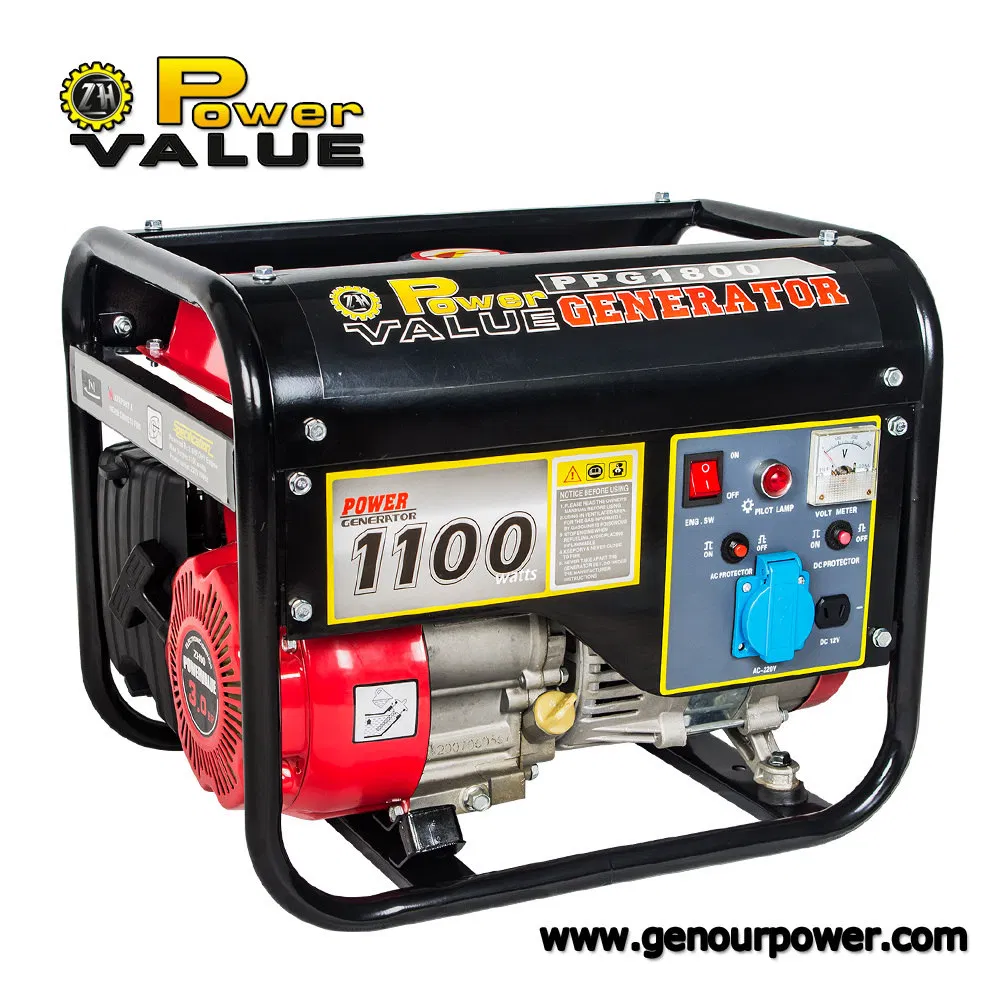

Power & Generators
Power & Generators: The Essential Guide for Industrial Applications
In the demanding world of industrial operations, a reliable source of electrical power is not a luxury—it is an absolute necessity. From ensuring uninterrupted production lines to providing critical backup during grid failures, industrial generators form the backbone of modern manufacturing, construction, and facility management. At industrial-equipments.com, we understand that selecting the right generator is a complex decision with significant implications for your productivity, safety, and bottom line. This comprehensive guide delves into the technical specifications, key considerations, and best practices to help you make an informed choice for your specific power requirements.
Core Specifications: Understanding Generator Parameters
Choosing a generator requires a deep dive into its technical specifications. Here are the critical parameters you must evaluate:
- Power Output (kW/kVA): The most fundamental spec. kVA (kilovolt-ampere) represents apparent power, while kW (kilowatt) represents real, usable power. The relationship is defined by the power factor (typically 0.8 for industrial units): kW = kVA × Power Factor. Always size your generator based on your total connected and simultaneous load, plus a margin for future expansion.
- Fuel Type: The operational cost and logistics hinge on this choice.
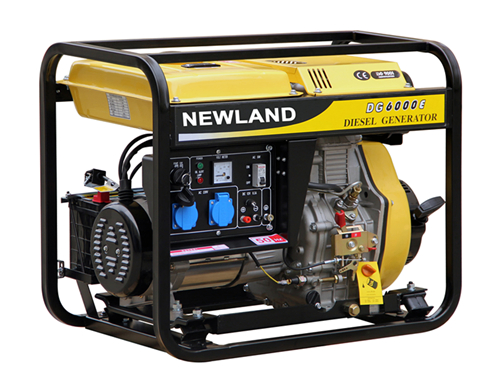
- Diesel: The industry standard for prime and standby power. Known for durability, fuel efficiency, high torque, and longer operational life. Ideal for heavy-duty, continuous use.
- Natural Gas/Propane: Cleaner-burning options with lower emissions. Often used where fuel supply pipelines exist or for strict emission zone compliance. Suitable for standby and some prime power applications.
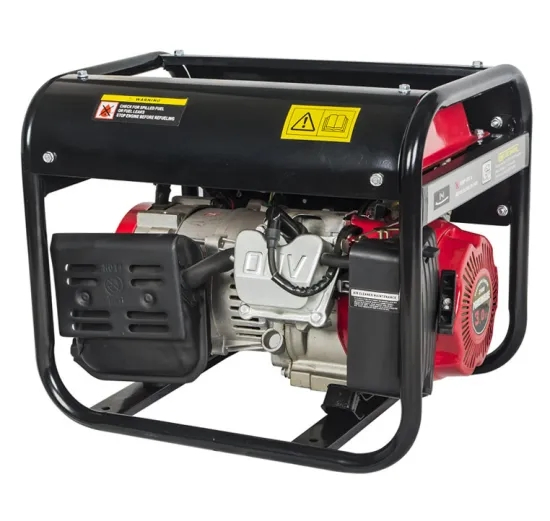
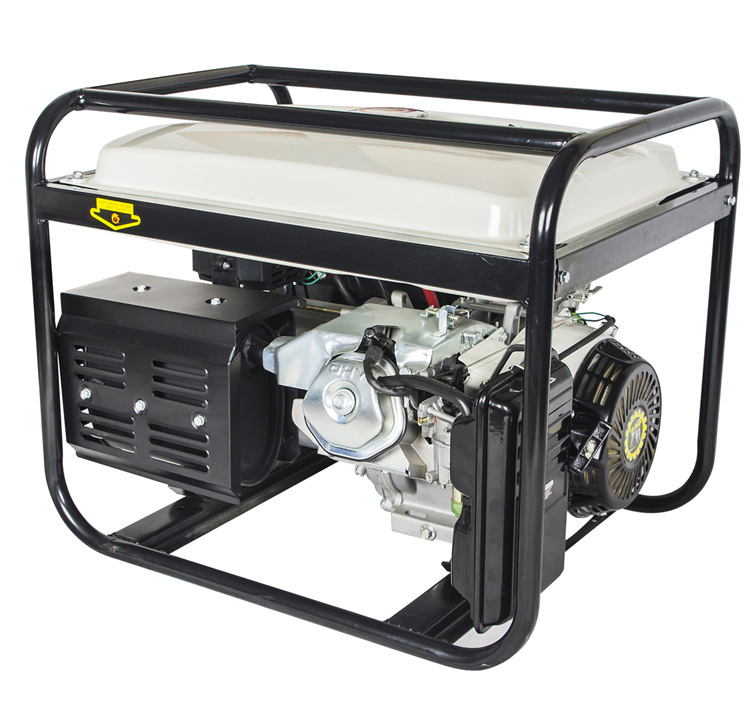
- Gasoline: Typically reserved for smaller, portable units due to higher fuel cost and shorter engine life under constant load.
- Phase:
- Single-Phase (1Ø): Delivers 120V/240V. Used for smaller tools, lighting, and residential/commercial appliances.
- Three-Phase (3Ø): Delivers 120V/208V or 277V/480V. Essential for running large industrial motors, heavy machinery, and data center equipment efficiently. The standard for industrial facilities.
- Engine Make & Model: The heart of the generator. Renowned industrial engines from manufacturers like Cummins, Caterpillar, MTU, and John Deere offer proven reliability, extensive service networks, and superior performance under load.
- Alternator (Generator End): Converts mechanical energy to electrical energy. Look for brands like Stamford, Leroy Somer, or Marathon. Key features include brushless design for low maintenance, Class H insulation for high-temperature tolerance, and superior voltage regulation (<±1%).
- Control System: The brain of the unit. Modern systems feature digital LCD displays for monitoring voltage, frequency, running hours, and fault diagnostics. Advanced controllers support automatic Transfer Switch (ATS) integration, remote monitoring via GSM/GPS, and paralleling capabilities for multiple units.
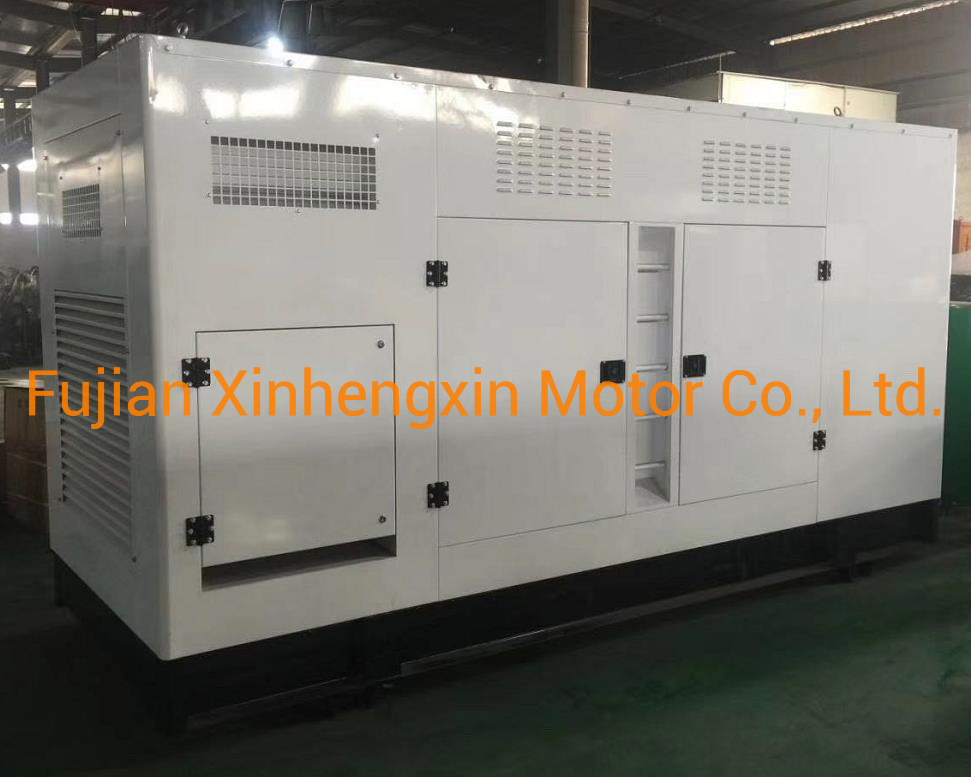
- Enclosure & Sound Rating: Critical for installation location. Canopies provide weather protection and significant noise attenuation. Sound levels are measured in dB(A) at specified distances (e.g., 7 meters). For urban sites or noise-sensitive environments, select a "super-silent" canopy with enhanced baffling.
Product Comparison: Industrial Generator Series at industrial-equipments.com
To illustrate the range of solutions available, below is a comparison of three representative generator series offered by industrial-equipments.com, each designed for specific operational profiles.
| Model Series | Power Range (Standby) | Prime Application | Engine Core | Key Features | Typical Use Case |
|---|---|---|---|---|---|
| DuraPower Prime | 20 kW - 150 kW | Prime & Continuous Power | Kubota / Deutz Diesel | Heavy-duty baseframe, deep sea electronic controls, 100% duty cycle capable, extended service intervals. | Remote mining camps, agricultural processing, off-grid industrial sites. |
| Guardian Standby | 50 kW - 500 kW | Emergency Standby Power | Perkins / Volvo Penta Diesel | Fast start-up (<10 sec to full load), integrated automatic transfer switch controller, sound-attenuated canopy (75 dB(A) @ 7m). | Hospitals, data centers, manufacturing plants, commercial buildings. |
| EcoGen Hybrid | 100 kW - 800 kW | Peak Shaving & Standby | MTU / Cummins Diesel | Bi-fuel capable (Diesel + Natural Gas), advanced paralleling switchgear, Tier 4 Final emissions compliant, remote telemetry. | Large facilities aiming to reduce energy costs, regions with strict emission regulations, utility support. |
Detailed Technical Data Sheet Example
For a precise understanding, here is an abbreviated technical data sheet for a model from our Guardian Standby series, the GS-350.
| Model: Guardian Standby GS-350 | |
|---|---|
| Standby Power Rating (ATS) | 350 kVA / 280 kW |
| Prime Power Rating | 320 kVA / 256 kW |
| Voltage & Phase | 480V, 3-Phase, 4-Wire |
| Frequency | 60 Hz |
| Engine | Volvo Penta TAD1351GE, 6-cylinder, turbocharged & aftercooled |
| Alternator | Stamford UCI274G, brushless, self-exciting, Class H insulation |
| Fuel Consumption (at 100% load) | 24.5 Gallons per Hour (Diesel) |
| Control Panel | Deep Sea Electronics 8620 with color touchscreen, auto start/stop, and remote communication module. |
| Dimensions (LxWxH) with Canopy | 132" x 48" x 78" |
| Dry Weight | 6,850 lbs |
Power & Generators: Frequently Asked Questions (FAQ)
What is the difference between standby, prime, and continuous power ratings?
Standby power (ESP) is the maximum output available for the duration of a utility outage, typically with variable load and not for unlimited hours. Prime power (PRP) is the maximum power available for unlimited hours at a variable load factor. Continuous power (COP) is the maximum power available for unlimited hours at a constant 100% load. Choosing the wrong rating can void warranties and cause premature failure. For emergency backup, use the standby rating. For off-grid or primary power applications, use the prime or continuous rating.
How do I accurately calculate the size of generator I need?
Proper sizing involves three steps. First, list all equipment to be powered and distinguish between resistive loads (heaters, lights) and inductive loads (motors, compressors). Second, calculate the total starting (surge) kW/kVA, as inductive loads can require 3-6 times their running power to start. Third, add the running kW of all loads that will operate simultaneously. Use this total as your minimum requirement. It is strongly advised to consult with an engineer or a specialist from industrial-equipments.com for a formal load study to avoid costly oversizing or dangerous undersizing.
What maintenance is required for an industrial diesel generator?
A rigorous maintenance schedule is non-negotiable. Daily/Weekly checks include coolant, fuel, and oil levels. Monthly inspections should cover battery charge, belt tension, and visual checks for leaks. Critical scheduled maintenance includes oil and filter changes every 250-500 hours, coolant system servicing annually, and a comprehensive top-end overhaul (valve adjustment, injector testing) every 2000-4000 running hours. An annual load bank test is essential to verify the generator can handle its full rated capacity and to burn off wet stacking in diesel engines.
Can I parallel two or more generators, and why would I do it?
Yes, with the correct switchgear and control systems. Paralleling generators allows for: 1) Scalability: Adding power capacity as your facility grows. 2) Redundancy (N+1): If one unit fails, others can share the load, ensuring no downtime. 3) Efficiency: Running multiple units at optimal load is more fuel-efficient than running a single large unit at partial load. 4) Maintenance: You can take one unit offline for service without shutting down operations.
What are the key factors in selecting an enclosure for my generator?
Four primary factors dictate enclosure choice: 1) Climate: Outdoor installations require weatherproof, corrosion-resistant canopies with radiator cooling. 2) Noise Restrictions: Urban sites may mandate "super-silent" enclosures with extra soundproofing. 3) Space Constraints: Compact or low-profile designs are available. 4) Fuel Storage: Some enclosures can integrate a base fuel tank. Always ensure the enclosure provides adequate ventilation for air intake and exhaust to prevent overheating.
Why is load bank testing important, and how often should it be done?
Load bank testing artificially places a full electrical load on the generator to verify its performance under stress. This process: 1) Validates that the generator can produce its nameplate-rated power. 2) Burns off carbon and unburned fuel deposits (wet stacking) in diesel engines, preventing damage. 3) Tests the cooling system's effectiveness. 4) Exercises the automatic transfer switch (ATS) under real load conditions. Industry best practice recommends a minimum of one 2-4 hour load bank test annually, and more frequently for critical facilities or generators that rarely run under significant load.
Final Considerations for Your Project
Beyond the generator unit itself, successful implementation involves several ancillary components. A properly sized Automatic Transfer Switch (ATS) is critical for seamless transition during a power outage. Fuel storage solutions, from base tanks to external bulk tanks with sub-base piping, must comply with local environmental regulations. Exhaust systems require careful design to manage backpressure and direct fumes safely away. Finally, consider integrating remote monitoring systems, such as those offered by industrial-equipments.com, which provide real-time alerts for low fuel, coolant temperature, battery voltage, and unauthorized access, enabling proactive maintenance and peace of mind.
- View as