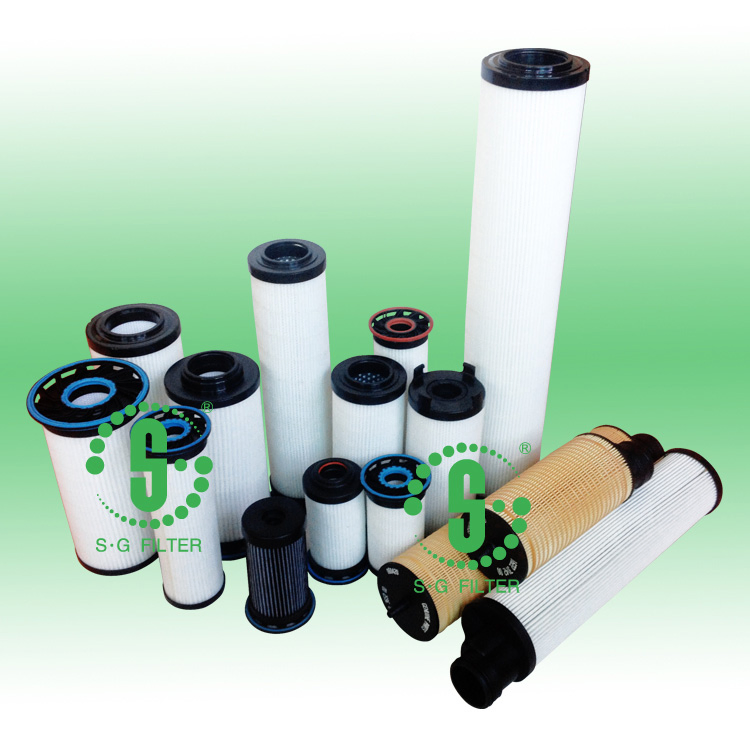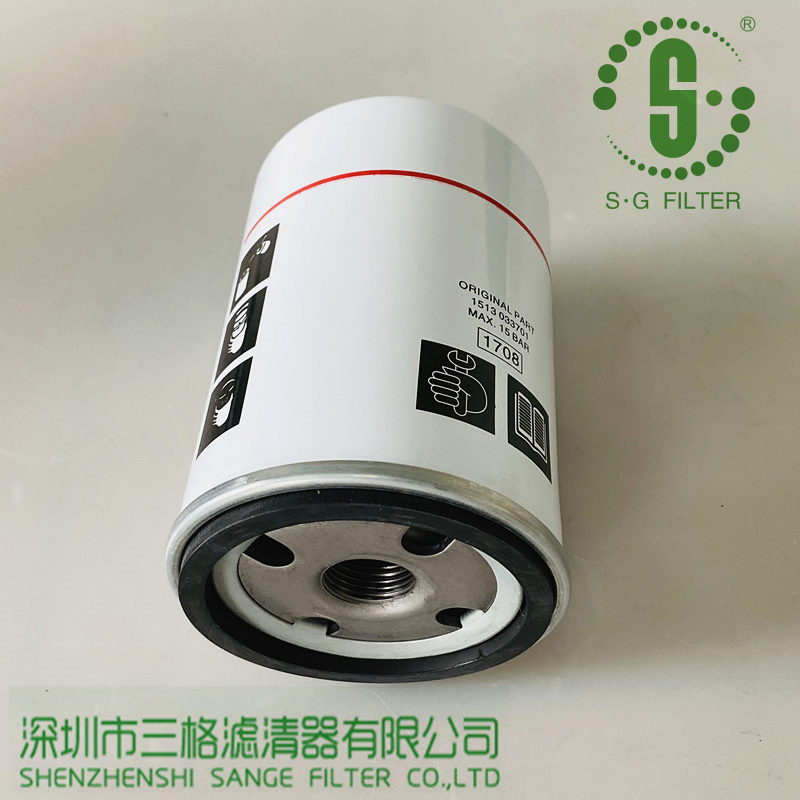

Purifier & Filter
Industrial Purification & Filtration Solutions
In today's demanding industrial landscape, ensuring the purity of air, liquids, and gases is not just a regulatory requirement but a cornerstone of operational efficiency, product quality, and workplace safety. Effective purifier and filter systems are critical components across a vast spectrum of industries, from manufacturing and pharmaceuticals to food & beverage and energy production. At industrial-equipments.com, we specialize in providing high-performance, reliable filtration technologies engineered to meet the most stringent application challenges. Our expertise lies in understanding the complex interplay between contaminant types, process conditions, and desired outcomes to deliver solutions that optimize performance and protect your valuable assets.
Core Product Categories & Technical Specifications
Our comprehensive portfolio is designed to address diverse purification needs. Below is an overview of our primary product categories along with detailed technical parameters.
1. High-Efficiency Particulate Air (HEPA) & ULPA Filtration Systems
Designed for environments requiring critical air cleanliness, such as cleanrooms, laboratories, and medical facilities.
- Application: Removal of airborne particles, dust, microbes, and aerosols.
- Filtration Standard: HEPA (99.97% efficiency on 0.3µm particles), ULPA (99.999% on 0.12-0.25µm).
- Frame Material: Galvanized steel, aluminum, or stainless steel with sealed gaskets.
- Filter Media: Borosilicate microfibers with fire-retardant coatings.
- Initial Pressure Drop: Typically 200-250 Pa for HEPA at rated airflow.
- Maximum Operating Temperature: Up to 85°C (185°F), depending on gasket material.
- DOP/PAO Tested: All units are individually scanned and certified.
2. Activated Carbon & Chemical Filtration Units
Targeted adsorption of gases, odors, volatile organic compounds (VOCs), and chemical contaminants.
| Parameter | V-Bank Carbon Filters | Pleated Carbon Panels | Deep-Bed Scrubbers |
|---|---|---|---|
| Carbon Type | Impregnated or standard activated carbon | Powdered carbon embedded in non-woven media | Granular activated carbon (GAC) |
| Target Contaminants | Broad-spectrum VOCs, acidic gases | Odors, light VOCs | High-concentration chemicals, complex molecules |
| Bed Depth / Dwell Time | 50-100 mm | 25-50 mm | 500-1500 mm |
| Pressure Drop Range | 75-150 Pa | 30-75 Pa | 200-600 Pa |
| Typical Capacity (ASTM) | 30-60% weight for CCl4 | 15-30% weight for CCl4 | 50-70% weight for CCl4 |
3. Industrial Liquid Filtration Systems
For process water, coolants, oils, and chemical solutions. Key parameters include:
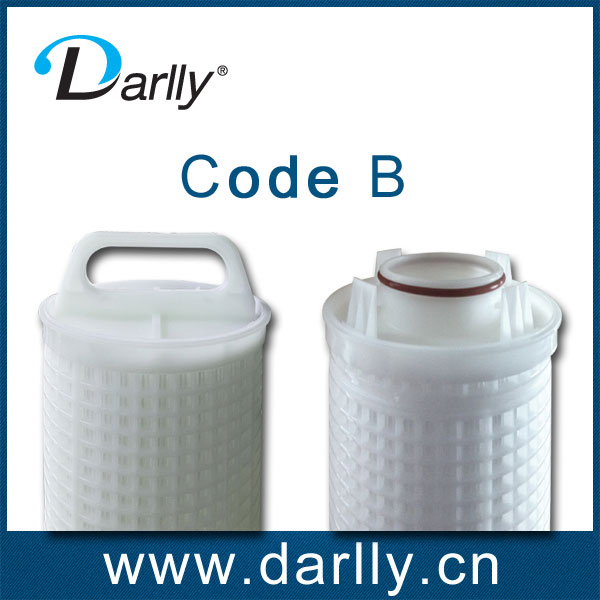
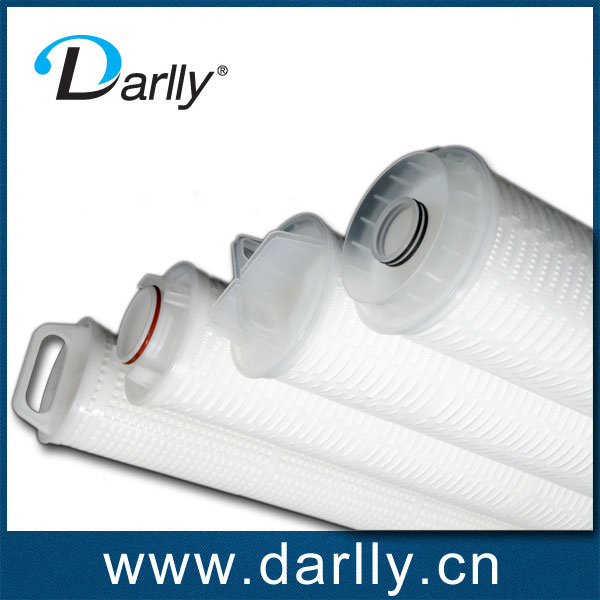
- Filtration Type: Bag filters, cartridge filters, membrane filters (MF, UF, NF), and self-cleaning screen filters.
- Micron Rating: Range from 1000 microns (screens) down to 0.1 microns (absolute membrane).
- Housing Material: Polypropylene, carbon steel, or 304/316 stainless steel.
- Maximum Operating Pressure: 10 bar standard, up to 100 bar for high-pressure housings.
- Flow Rate: Customizable from 5 GPM to over 1000 GPM.
- Connection Type: NPT, BSP, Tri-Clamp, flanged.
Frequently Asked Questions (FAQ)
Q: How do I determine the correct micron rating for my liquid filter application?
A: Selecting the proper micron rating depends on the size of the particles you need to remove and the desired clarity of your final fluid. Start by analyzing a sample of the contaminated fluid to identify the particle size distribution. As a rule, the filter's micron rating should be smaller than the smallest particle you aim to capture. For protective applications (e.g., pump protection), a rating larger than the critical component clearance is used. For polishing applications, a rating significantly smaller than the target contaminant is chosen. Always consider the nominal vs. absolute rating; an absolute rating guarantees the retention of all particles at or above the stated size. At industrial-equipments.com, our engineers can help you conduct tests to determine the optimal rating for efficiency and filter lifespan.
Q: What is the key difference between a HEPA filter and a standard particulate filter?
A: The primary differences are filtration efficiency, construction, and testing standards. A true HEPA filter, as defined by standards like EN 1822 or IEST RP-CC001, must capture at least 99.97% of particles that are 0.3 microns in diameter. This is its Most Penetrating Particle Size (MPPS). Standard panel or bag filters may have high efficiency on larger particles (e.g., 10 microns) but rapidly lose effectiveness on sub-micron particles. HEPA filters use a dense, pleated microglass fiber media, are meticulously sealed into a rigid frame, and are individually factory-tested with a thermal or liquid aerosol (like DOP/PAO) to verify integrity and efficiency. Standard filters are often bulk-tested or not efficiency-tested at a specific particle size.
Q: When should I consider an activated carbon filter versus an oxidizer for VOC removal?
A: The choice hinges on VOC concentration, airflow volume, stream composition, and operational costs. Activated carbon adsorption is a passive, concentration-driven process ideal for low to moderate VOC concentrations, intermittent duty cycles, and applications with mixed or varying VOC types. It is cost-effective for lower volumes but requires periodic carbon replacement or regeneration. Thermal or catalytic oxidizers are active destruction systems better suited for high, consistent VOC concentrations (typically > 100 ppm) and high airflows where they become more energy-efficient. They destroy VOCs by converting them to CO2 and water vapor. If your stream contains particulate matter or high humidity, pre-filtration is crucial for carbon systems, whereas oxidizers can handle some variations but are sensitive to catalyst poisons like silicon or phosphorus.
Q: How often should I replace or service my industrial filters?
A: There is no universal schedule; service life is dictated by several factors. For air filters, monitor the pressure drop across the filter. Once the pressure drop reaches 1.5 to 2 times the initial clean pressure drop (as specified by the manufacturer), it's time for replacement. For liquid filters, monitor differential pressure and/or flow rate decline. Time-based changes are risky—they can lead to premature changes (wasting money) or breakthrough contamination (causing damage). Environmental conditions (contaminant load, humidity, temperature) drastically affect lifespan. Systems from industrial-equipments.com often include differential pressure gauges or sensors to provide accurate, real-time indicators for maintenance, moving you from a schedule-based to a condition-based maintenance strategy.
Q: Can your filtration systems be customized for specific chemical or temperature extremes?
A: Absolutely. Standard off-the-shelf components often fail in extreme or unique industrial environments. Our engineering team at industrial-equipments.com specializes in customization. For chemical resistance, we can select alternative media (e.g., PTFE membrane, PVDF), specialized carbon impregnations for specific molecules, and compatible housing materials (Hastelloy, PVDF-lined steel). For high-temperature applications (up to 350°C+ for certain gases), we utilize metal media (sintered stainless steel), ceramic filters, and high-temp gasket/seal materials like graphite or Viton. We review your complete process stream data—including pH, chemical composition, temperature cycling, and pressure spikes—to recommend or engineer a system with the appropriate materials of construction and safety factors.
Advanced Features & Integration
Modern industrial purification demands more than just a standalone filter. Our systems incorporate advanced features for monitoring, control, and efficiency. Many units are equipped with intelligent monitoring systems that track differential pressure, flow rates, and even saturation levels in carbon beds, sending alerts for predictive maintenance. We design for easy integration into existing Building Management Systems (BMS) or Process Control Networks via analog 4-20mA signals, Modbus, or Ethernet/IP protocols. For liquid systems, automated backwash or clean-in-place (CIP) functionalities minimize downtime and labor. Energy efficiency is also a key design criterion; our low initial pressure drop filters and optimized housing designs reduce the energy consumption of fans and pumps, delivering a lower total cost of ownership.
The team at industrial-equipments.com partners with you from initial consultation and airflow/fluid analysis through design, installation, and ongoing support. We provide detailed technical data sheets, installation & maintenance manuals, and material safety certifications for all our purifier and filter systems.
- View as