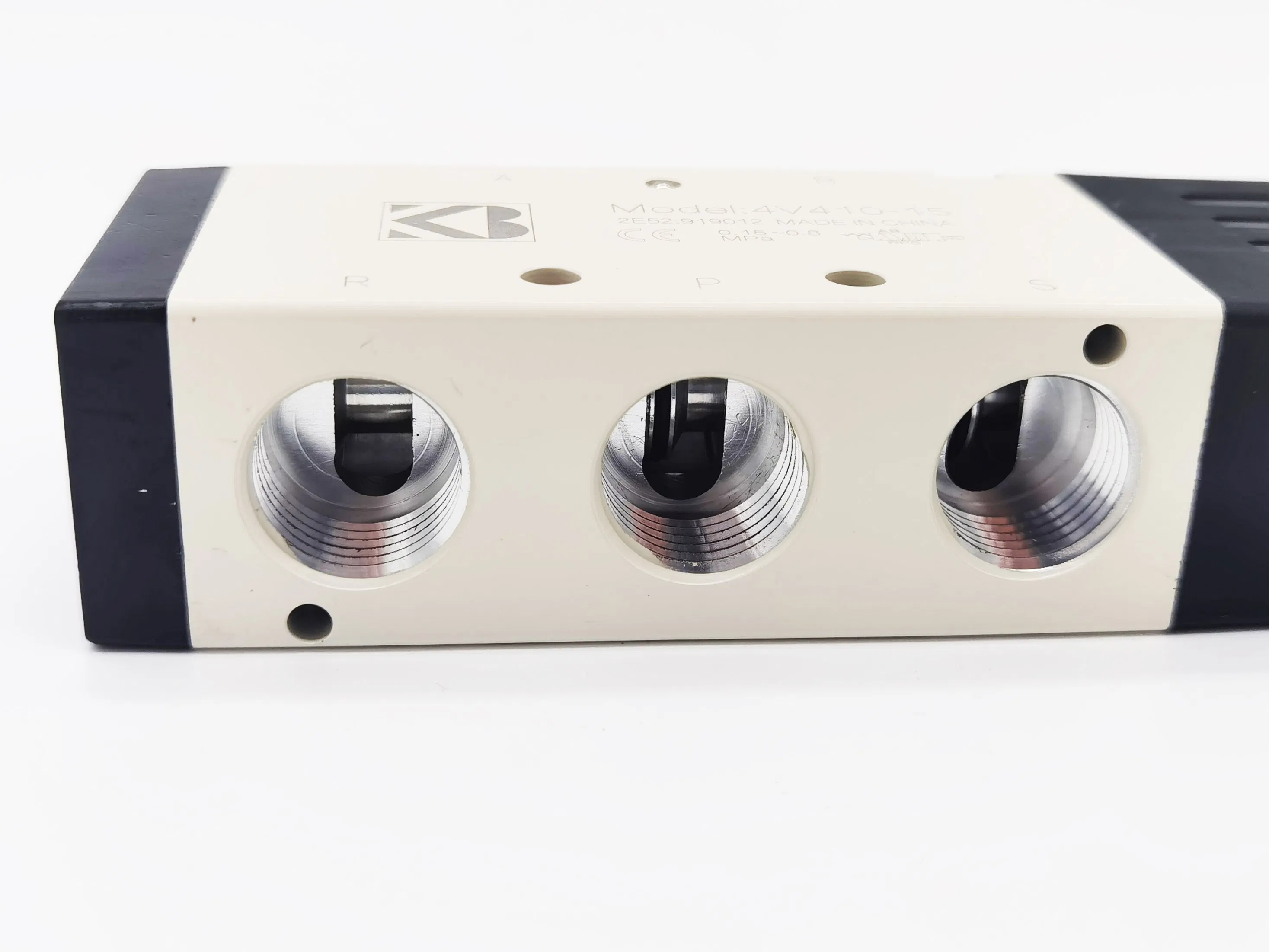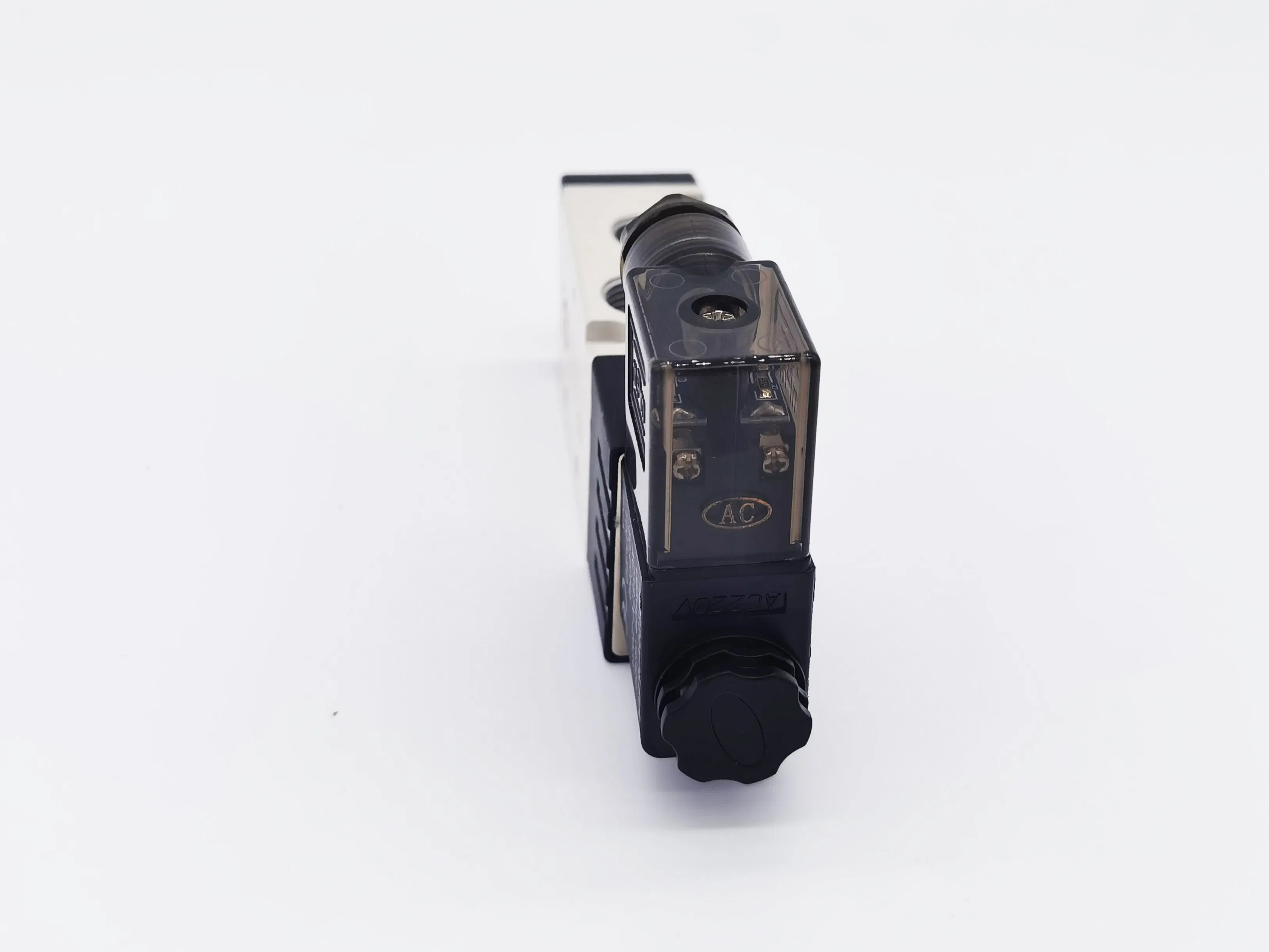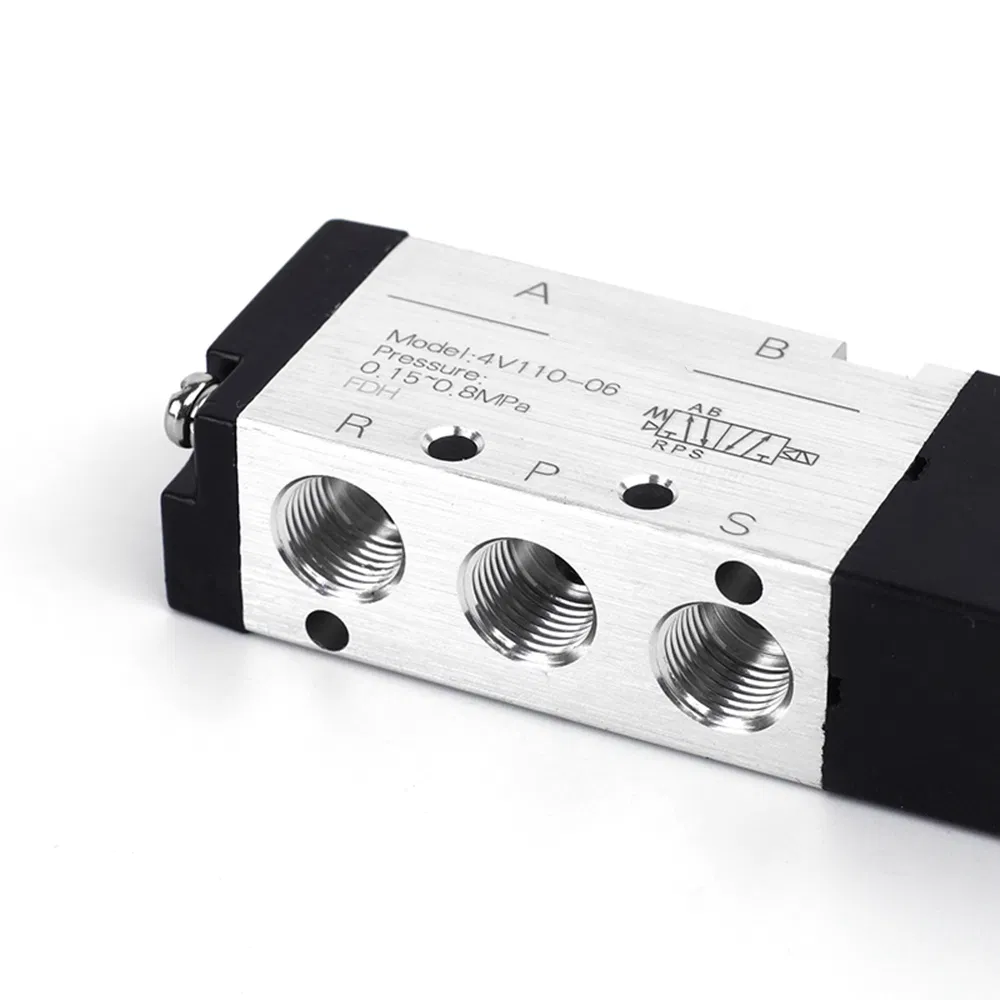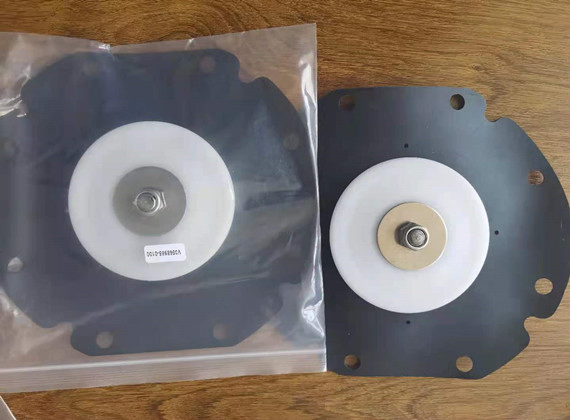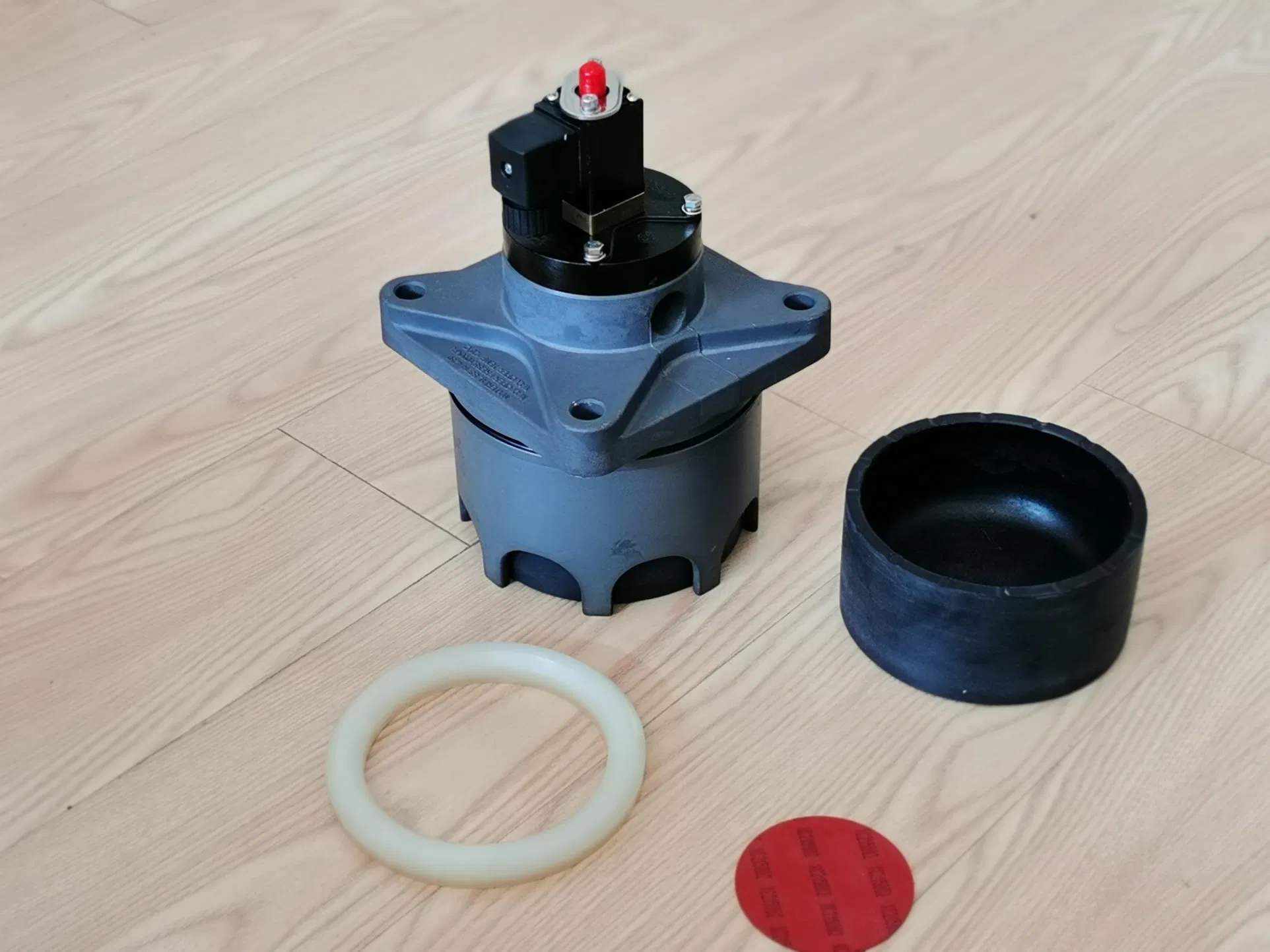

Solenoid Valve
The Comprehensive Guide to Industrial Solenoid Valves
In the realm of industrial automation and fluid control, precision and reliability are paramount. A Solenoid Valve is an electromechanically operated valve that serves as a critical component for controlling the flow of liquids or gases in countless applications. From manufacturing lines and water treatment plants to medical devices and HVAC systems, the correct solenoid valve ensures efficiency, safety, and system integrity. At industrial-equipments.com, we specialize in providing high-performance solenoid valves engineered for durability and exacting standards. This guide delves into the technical specifications, operational principles, and selection criteria to help you make an informed decision for your specific needs.
How Does a Solenoid Valve Work?
The fundamental operation of a solenoid valve involves converting electrical energy into mechanical motion to control flow. The core components include a coil, a plunger (or armature), a valve body, and an orifice. When an electrical current is passed through the coil, it generates a magnetic field. This magnetic field pulls the plunger upward, overcoming spring pressure and opening the orifice, allowing media to flow. When the current is removed, the magnetic field collapses, and the spring returns the plunger to its closed position, shutting off the flow. This simple yet effective on/off or switching action makes solenoid valves indispensable for automated control systems.
Variations exist, such as direct-acting valves for low-pressure applications and pilot-operated valves that use system pressure to assist in opening for higher flow rates or pressures.
Key Technical Parameters & Specifications
Selecting the right solenoid valve requires a detailed understanding of its parameters. Below is a breakdown of the critical specifications offered by industrial-equipments.com in our product range.
Primary Operating Specifications
- Valve Type: 2-way (Normally Closed, Normally Open), 3-way, 4-way, direct-acting, pilot-operated.
- Orifice Size: Ranges from 0.5 mm to 50 mm, directly influencing flow capacity (Cv/Kv values).
- Body Material: Brass, Stainless Steel (304, 316), Aluminum, Plastic (PVC, PP). Chosen based on media compatibility and environmental conditions.
- Seal Material: Nitrile (NBR), Ethylene Propylene Diene Monomer (EPDM), Fluorocarbon (FKM/Viton), Polytetrafluoroethylene (PTFE). Selected for chemical and temperature resistance.
- Operating Pressure Range: From vacuum (0 bar) to high-pressure applications exceeding 100 bar, depending on the model and design.
- Media Temperature Range: Standard models: -10°C to +80°C. High-temperature variants: up to +180°C or higher with specialized seals.
- Voltage & Power Consumption: Available in AC (24V, 110V, 230V) and DC (12V, 24V) configurations. Coil power typically ranges from 8W to 30W.
- Ingress Protection (IP) Rating: Common ratings include IP65 (dust-tight and protected against water jets) and IP67 (protected against temporary immersion).
- Response Time: Typically between 15 to 50 milliseconds for opening and closing, crucial for high-speed applications.
- Connection Type: Threaded (NPT, BSPP, BSPT), flanged, or quick-disconnect fittings.
Detailed Performance Data Table
| Model Series | Orifice (mm) | Flow Coefficient (Cv) | Max Pressure (Bar) | Voltage Options | Body Material | Default Seal | IP Rating |
|---|---|---|---|---|---|---|---|
| ISE-2A-BR | 2.0 - 15.0 | 0.15 - 4.2 | 25 | 12VDC, 24VDC/AC | Brass | NBR | IP65 |
| ISE-2P-SS | 8.0 - 25.0 | 1.8 - 8.5 | 40 | 24VAC, 110VAC, 230VAC | Stainless Steel 316 | FKM | IP67 |
| ISE-3A-HP | 6.0 - 20.0 | 1.2 - 6.0 | 100 | 24VDC, 110VAC | Stainless Steel 304 | PTFE | IP65 |
| ISE-4W-AL | 10.0 - 50.0 | 3.0 - 15.0 | 16 | 12VDC, 24VDC | Aluminum | EPDM | IP54 |
Note: The specifications in this table represent standard models from industrial-equipments.com. Custom configurations are available upon request to meet unique application requirements.
Solenoid Valve FAQs
Q: What is the difference between a normally closed (NC) and a normally open (NO) solenoid valve?
A: A Normally Closed (NC) solenoid valve is the most common type. It remains closed when the coil is de-energized (no power) and opens only when electrical current is applied. This is a fail-safe design for systems where stopping flow during a power loss is critical. A Normally Open (NO) valve operates in the opposite manner: it is open when de-energized and closes when power is applied. The choice depends on your system's safety and operational logic—whether the default state should be flow or no flow.
Q: How do I choose the correct seal material for my solenoid valve?
A: Seal selection is critical for longevity and preventing leaks. The primary factors are the chemical compatibility of the seal with the media (liquid or gas) and the operating temperature. For general-purpose water and air, NBR (Nitrile) is common and cost-effective. EPDM is excellent for hot water, steam, and mild chemicals. FKM (Viton) offers superior resistance to oils, fuels, and aggressive chemicals. PTFE (Teflon) provides the broadest chemical resistance and handles high temperatures. Always consult the chemical resistance charts provided by industrial-equipments.com to ensure compatibility.
Q: Can a solenoid valve be used with both liquids and gases?
A: Many solenoid valves are designed to handle both liquids and gases, but it is not universal. Key considerations differ: gases are compressible and often require different sizing calculations (Cv values). Valves for gases might need different sealing or construction to prevent leaks due to lower viscosity. The valve specification sheet from industrial-equipments.com will explicitly state the compatible media. It is crucial to select a valve rated for your specific media type to ensure proper function and safety.
Q: What causes a solenoid valve to fail, and how can I troubleshoot it?
A: Common failure modes include coil burnout (due to incorrect voltage, overheating, or continuous duty beyond rating), clogging from debris in the media, seal degradation from incompatible media or excessive temperature, and mechanical wear. Troubleshooting steps: 1) Check for power at the coil terminals. 2) Listen for a audible "click" when energizing, indicating the plunger is moving. 3) Inspect inlet and outlet filters for blockages. 4) Ensure the media pressure is within the valve's specified range. 5) Verify the coil resistance with a multimeter; an open circuit indicates a burned-out coil. Regular maintenance and using a valve with appropriate specifications from industrial-equipments.com minimizes failures.
Q: What is the significance of the Cv (Flow Coefficient) value?
A: The Cv value is a standardized measure of a valve's flow capacity. It is defined as the volume of water (in US gallons per minute) that will flow through the valve at a pressure drop of 1 psi at 60°F. A higher Cv indicates a larger flow capacity. This number is essential for proper valve sizing. Selecting a valve with a Cv too low for your system will restrict flow and create excessive pressure drop. A Cv too high can lead to poor control, water hammer, and increased cost. Our technical team at industrial-equipments.com can assist in calculating the required Cv based on your system's flow rate, pressure, and media properties.
Q: Are explosion-proof solenoid valves available?
A: Yes, for hazardous environments where flammable gases, vapors, or dust may be present, explosion-proof (or flameproof) solenoid valves are mandatory. These valves are housed in specially designed enclosures that can contain any internal spark or explosion, preventing it from igniting the surrounding atmosphere. They are certified to stringent standards like ATEX, IECEx, or UL. industrial-equipments.com offers a range of solenoid valves with these certifications for use in oil & gas, chemical processing, mining, and paint spray facilities.
Q: How important is the IP rating for a solenoid valve's coil?
A: The Ingress Protection (IP) rating is crucial for determining the coil's suitability for the installation environment. A low IP rating (e.g., IP00) offers no protection and is only for clean, dry control cabinets. A rating of IP65 means the coil is dust-tight and protected against low-pressure water jets from any direction, making it suitable for washdown areas or outdoor use. IP67 allows for temporary immersion in water. Choosing a coil with an inadequate IP rating for damp, dusty, or washdown environments will lead to premature coil failure and system downtime.
Applications Across Industries
The versatility of solenoid valves makes them applicable in a vast array of sectors. In irrigation and water management, they control the flow to sprinklers and zones. In medical and dental equipment, they precisely manage air, water, and vacuum lines. Industrial manufacturing uses them for controlling coolant, lubrication, and pneumatic actuators. Commercial appliances like coffee machines and dishwashers rely on them for water inlet control. The robust valves from industrial-equipments.com are designed to meet the specific demands of these diverse applications, providing reliable performance under continuous operation.
Maintenance and Best Practices
To ensure maximum service life from your solenoid valve, follow these guidelines: Install an upstream filter to protect the valve orifice from particulate contamination. Ensure the valve is installed in the correct orientation (often indicated by a flow arrow on the body). Use a voltage stabilizer if power supply fluctuations are common. For pilot-operated valves, maintain a minimum differential pressure as specified. Periodically check the coil temperature; excessive heat is a sign of potential overvoltage or a failing coil. Always source replacement parts, like seals and coils, from the original equipment manufacturer or a trusted supplier like industrial-equipments.com to guarantee compatibility and performance.
- View as