
Ball Valve
The Essential Guide to Industrial Ball Valves: Engineering, Selection, and Performance
For over two decades in industrial fluid system design, one component has consistently proven its worth for reliable on/off control: the ball valve. At industrial-equipments.com, we understand that specifying the right valve is not a matter of chance but of precise engineering. This comprehensive guide delves into the mechanics, specifications, and critical selection criteria for ball valves, providing the technical depth needed for professionals across industries.
Understanding the Ball Valve: Design and Operating Principle
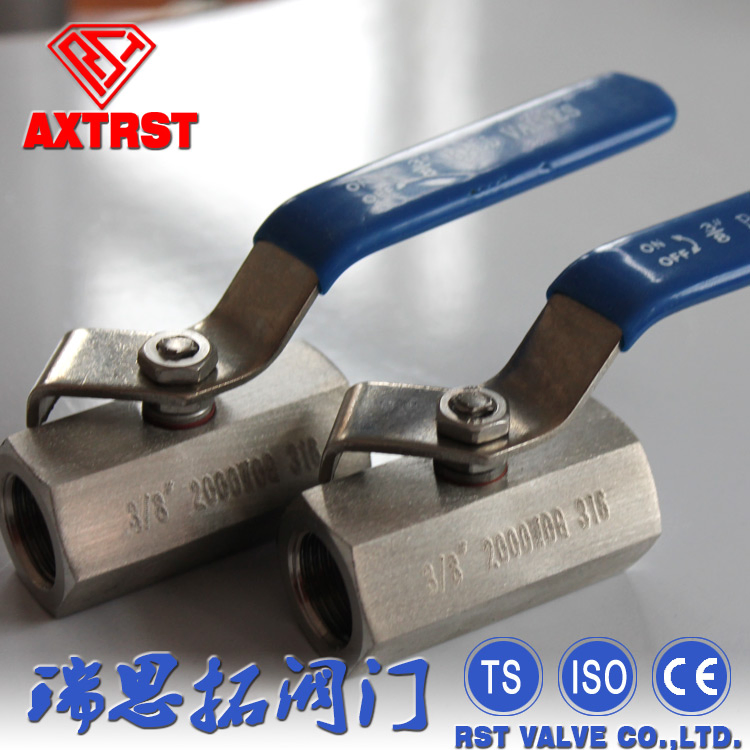
A ball valve is a quarter-turn valve that utilizes a perforated, pivoting ball to control flow. The ball has a port (bore) through its center. When the valve handle is turned 90 degrees, the ball rotates so that the port aligns with the flow path (open position) or becomes perpendicular to it, blocking flow completely (closed position). This simple yet robust design offers several inherent advantages:
- Quick Operation: A simple 90-degree turn provides full open to close, ideal for emergency shut-off.
- Excellent Sealing: In the closed position, the ball seals tightly against polymer seats, ensuring bubble-tight shut-off with minimal leakage.
- Low Torque Operation: Compared to gate or globe valves, ball valves require relatively low operating torque, allowing for easier manual operation or smaller actuators.
- Minimal Pressure Drop: In the full-port design, the bore diameter matches the pipeline, offering a straight flow path with very little resistance.
- Versatility: Available in a vast array of materials, sizes, pressure classes, and end connections to handle everything from water and air to corrosive chemicals and high-temperature steam.
Key Product Parameters and Specifications
Selecting the correct ball valve requires careful analysis of its parameters against your system's demands. Here are the core specifications to evaluate:
Primary Design and Performance Parameters
| Parameter | Description | Common Options / Units |
|---|---|---|
| Valve Size | Nominal pipe diameter (NPS) or metric equivalent. | 1/4" to 12" and larger; DN6 to DN300 |
| End Connection Type | Determines how the valve interfaces with the piping system. | Threaded (NPT, BSP), Flanged (ANSI, DIN), Socket Weld, Butt Weld, Union End |
| Pressure Rating | Maximum allowable working pressure (MAWP) at a specified temperature. | ANSI Class 150, 300, 600; PN16, PN25, PN40; PSI / Bar |
| Temperature Range | Minimum and maximum fluid/media temperature the valve materials can withstand. | Typically -20°F to 450°F (-29°C to 232°C) for standard seats; wider ranges for specialized materials. |
| Body Material | Primary construction material of the valve body. | Brass, Carbon Steel (A216 WCB), Stainless Steel (CF8/304, CF8M/316), Alloy 20, Duplex, PVC, PP |
| Ball Material | Material of the rotating ball, often coated or plated for performance. | Chrome-plated Brass, 304/316 Stainless Steel, Aluminium Bronze, PVC |
| Seat Material | Soft seal material that the ball contacts for shut-off. Critical for chemical compatibility. | PTFE (Teflon), Reinforced PTFE, Nylon, Delrin, PEEK, Metal-Seated |
| Bore Type | Diameter of the hole through the ball relative to the pipe size. | Full Port (Full Bore): Bore ≈ Pipe ID. Standard Port (Reduced Bore): Bore ≈ one pipe size smaller. |
| Actuation Type | Method of operating the valve. | Lever Handle, Gear Operator, Pneumatic Actuator, Electric Actuator, Hydraulic Actuator |
Additional Critical Specifications
- Fire-Safe Design: Certifications like API 607/6FA ensure secondary metal sealing in case of seat burnout during a fire.
- Blow-Out Proof Stem: A safety feature where the stem is retained even under high pressure if the packing is compromised.
- Anti-Static Device: A spring mechanism ensuring electrical continuity between ball, stem, and body to prevent static charge buildup in hydrocarbon services.
- Locking Device: Provisions for padlocks or lockout-tagout (LOTO) devices to secure the valve in a desired position for safety.
- Standards Compliance: Valves may be manufactured to standards like API 6D, ASME B16.34, ISO 17292, or BS 5351.
Ball Valve Selection Matrix by Application
Matching the valve to the application is paramount. The following matrix provides a general guideline for material and type selection based on common service conditions.
| Application / Media | Recommended Body Material | Recommended Seat Material | Key Considerations |
|---|---|---|---|
| General Water, Air, Oil (Non-Critical) | Brass, Carbon Steel | PTFE, Nylon | Cost-effective; standard pressure/temperature. |
| Potable Water, Food & Beverage | Stainless Steel 304/316, Brass with NSF Certification | FDA-approved PTFE, EPDM | Material certifications (NSF/ANSI 61, FDA). Smooth bore for cleanability. |
| Sea Water, Chloride Environments | Stainless Steel 316, Super Duplex, Aluminium Bronze | Reinforced PTFE, PEEK | High resistance to pitting and crevice corrosion. |
| Aggressive Chemicals, Acids, Caustics | Stainless Steel 316, Alloy 20, Hastelloy, PVC/CPVC | PTFE, TFM, PFA | Detailed chemical compatibility charts must be consulted for seats and seals. |
| High-Temperature Steam, Oil | Carbon Steel (WCB), Stainless Steel | Metal (Stainless Steel), PEEK, Graphite | Standard PTFE seats have temperature limits. Verify pressure-temperature ratings. |
| Oil & Gas, Hydrocarbons (Fuel Gas, etc.) | Carbon Steel, Stainless Steel | PTFE, Nylon, Metal | Often require fire-safe design, anti-static device, and blow-out proof stem. |
Frequently Asked Questions (FAQ) About Ball Valves
What is the main difference between a full port and a standard port ball valve?
A full port (or full bore) ball valve has an internal bore diameter that is approximately equal to the inner diameter of the connecting pipe. This design minimizes pressure drop and allows for pigging in pipeline applications. A standard port (or reduced bore) valve has a bore that is typically one pipe size smaller than the valve's nominal size. It is more compact and cost-effective but introduces a higher pressure drop. The choice depends on flow efficiency requirements versus space and budget constraints.
Can a ball valve be used for throttling or flow control?
While technically possible, ball valves are not generally recommended for precise throttling or continuous flow modulation. In a partially open position, the high-velocity flow can impinge on a localized area of the soft seat, causing erosion, cavitation, and premature seal failure. This can also lead to vibration and noise. For throttling duties, valves specifically designed like globe valves or needle valves are more appropriate. Ball valves are best utilized in fully open or fully closed (on/off) service.
How do I determine the correct pressure rating (Class) for my application?
The pressure rating must exceed the maximum operating pressure in your system at the specific process temperature. First, identify your system's maximum working pressure (in PSI or Bar) and maximum temperature. Then, consult the pressure-temperature rating charts provided by the manufacturer or standard (e.g., ASME B16.34). For example, a valve rated for ANSI Class 150 is suitable for 150 PSI at a certain base temperature, but its allowable pressure decreases as the temperature rises. Always include a safety margin and consider potential pressure surges.
What does "fire-safe" certification mean for a ball valve?
A fire-safe certified ball valve (to standards like API 607, API 6FA, or ISO 10497) is designed to maintain a degree of sealing integrity even if the primary soft seats (e.g., PTFE) are destroyed by an external fire. These valves incorporate secondary metal-to-metal sealing surfaces (between the ball and body). In a fire event, after the soft seats melt, these metal seats engage to provide a leak-resistant closure, helping to prevent the escalation of the fire by containing the flammable media. This is a critical safety feature for hydrocarbon, chemical, and other hazardous fluid services.
Why is material selection for seats so critical?
The seat material is the primary sealing element and is in constant contact with the process media. An incorrect selection can lead to rapid degradation, swelling, cracking, or chemical attack, resulting in leakage, valve failure, and potentially dangerous situations. Factors to consider include chemical compatibility, temperature range, abrasion resistance, and PV (Pressure-Velocity) values. Always cross-reference the media with a detailed chemical compatibility guide for the specific polymer (PTFE, Nylon, PEEK, etc.) before finalizing the valve specification.
What maintenance does a ball valve typically require?
Industrial ball valves are designed for long service life with minimal maintenance. The primary maintenance activity involves checking for external leakage at the stem packing gland. If a leak develops, the packing can often be adjusted or tightened via the gland follower bolt. For internal leakage (seating), the valve may need to be repaired or replaced, as this often requires disassembly and seat replacement. Regular cycling of valves in standby service is recommended to prevent seizing. For critical services, a preventive maintenance schedule based on operating cycles or time should be established.
When should I consider a 3-piece ball valve design over a 2-piece design?
A 3-piece ball valve, where the body is held together by two bolted end caps, offers significant maintenance and installation advantages. It allows for easy inline removal of the internal valve assembly (ball, seats, stem) for inspection, cleaning, or seat replacement without removing the entire valve body from the pipeline. This is invaluable for systems that cannot be easily shut down or where hygiene is critical (e.g., food processing). Two-piece valves are generally more compact and cost-effective but require removal from the line for any internal servicing.
Advanced Configurations and Solutions from industrial-equipments.com
Beyond standard models, modern process demands often require specialized ball valve configurations. Our portfolio at industrial-equipments.com includes engineered solutions for complex challenges:
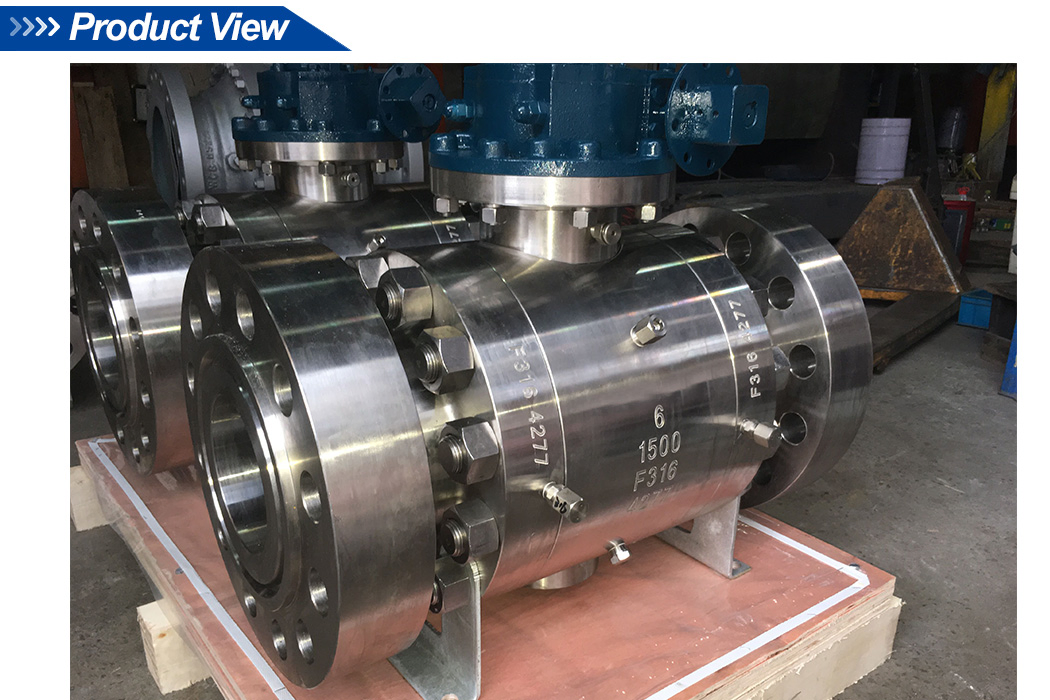
- Trunnion Mounted Ball Valves: For high-pressure applications (Class 600 and above). The ball is supported on a trunnion (shaft), reducing operating torque and seat load, making them ideal for large-diameter, high-pressure oil, gas, and transmission pipelines.
- Cavity Filled Designs: Valves where the body cavity around the ball is automatically relieved or filled to prevent media entrapment, which is crucial for hygienic or aggressive chemical services.
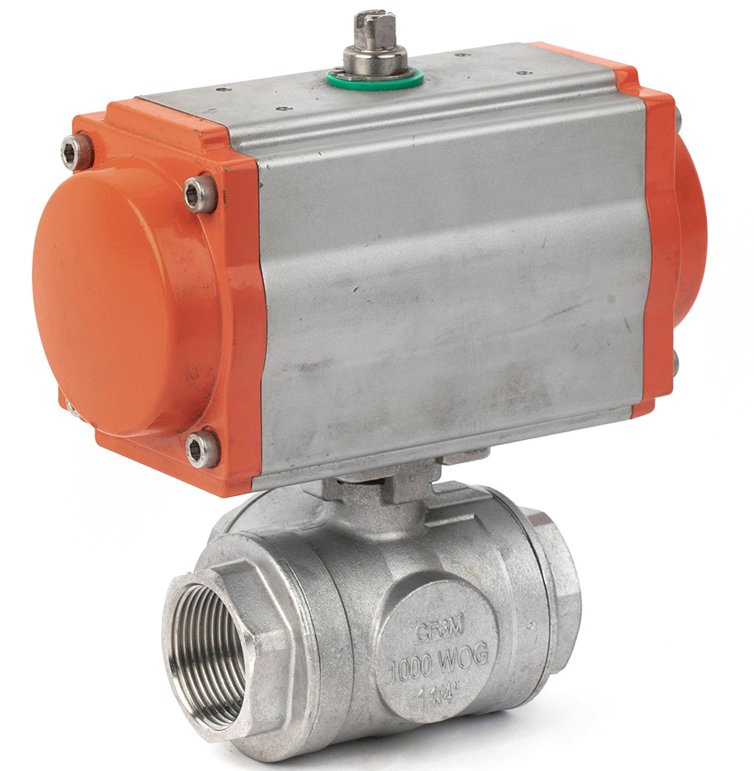
- Multi-Port (3-Way, 4-Way) Ball Valves: Featuring L-port or T-port balls to divert, mix, or isolate multiple flow paths within a single valve body, simplifying system design for blending or distribution applications.
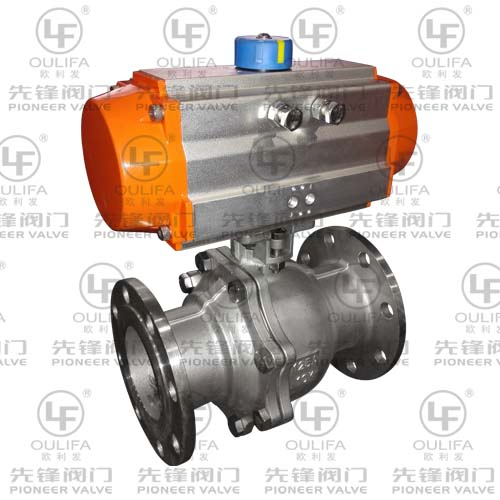
- Actuated & Automated Packages: Fully integrated systems combining ball valves with pneumatic (on/off or modulating), electric, or hydraulic actuators, complete with limit switches, solenoids, and positioners for remote control and integration into PLC/SCADA systems.
Specifying the optimal ball valve is a critical engineering decision that impacts system safety, efficiency, and total cost of ownership. By understanding the detailed parameters, material science, and application guidelines outlined in this resource, you are equipped to make an informed specification. For precise technical data sheets, material compatibility charts, and consultation on specific project requirements, the engineering team at industrial-equipments.com is ready to support your next fluid system design or upgrade.
- View as