
Industrial Valves
Comprehensive Guide to Industrial Valves: Specifications, Selection, and Performance
At industrial-equipments.com, we understand that selecting the right valve is critical for the safety, efficiency, and reliability of your operations. With decades of expertise in the field, we provide an extensive range of high-performance Industrial Valves engineered to meet the most demanding applications across sectors like oil & gas, chemical processing, power generation, water treatment, and manufacturing. This guide delves into the technical specifications, material science, and operational parameters that define superior valve performance.
Core Product Categories and Technical Specifications
Our product portfolio is segmented by design and function to ensure precise application matching. Key parameters include pressure rating (PN/Class), temperature range, end connection type, actuator compatibility, and the specific material grades used for body, trim, and seals.
1. Gate Valves
Designed for on/off service with minimal pressure drop in the fully open position.
- Primary Function: Isolation and shut-off.
- Common Types: Solid wedge, flexible wedge, split wedge.
- Pressure Range: Class 150 to 2500 (ANSI); PN10 to PN420.
- Temperature Range: -20°C to 550°C, depending on seat material.
- Typical End Connections: Flanged (RF, RTJ), Buttweld, Socketweld.
- Body Materials: Carbon Steel (A216 WCB), Stainless Steel (A351 CF8/CF8M), Duplex, Alloy 20.
2. Globe Valves
Ideal for throttling flow and regulating pressure with precise stem control.
- Primary Function: Flow regulation and isolation.
- Common Types: T-pattern, Y-pattern, angle pattern.
- Pressure Range: Class 150 to 1500.
- Leakage Class: Typically Class IV (standard) or Class VI (bubble-tight).
- Trim Types: Standard, anti-cavitation, low-noise.
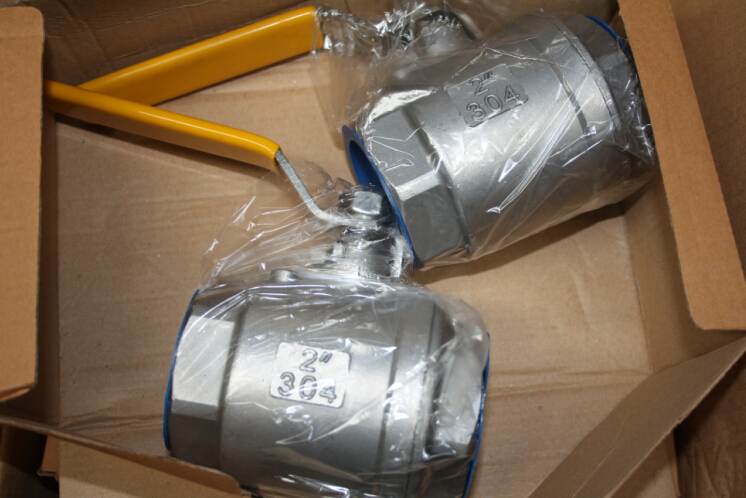
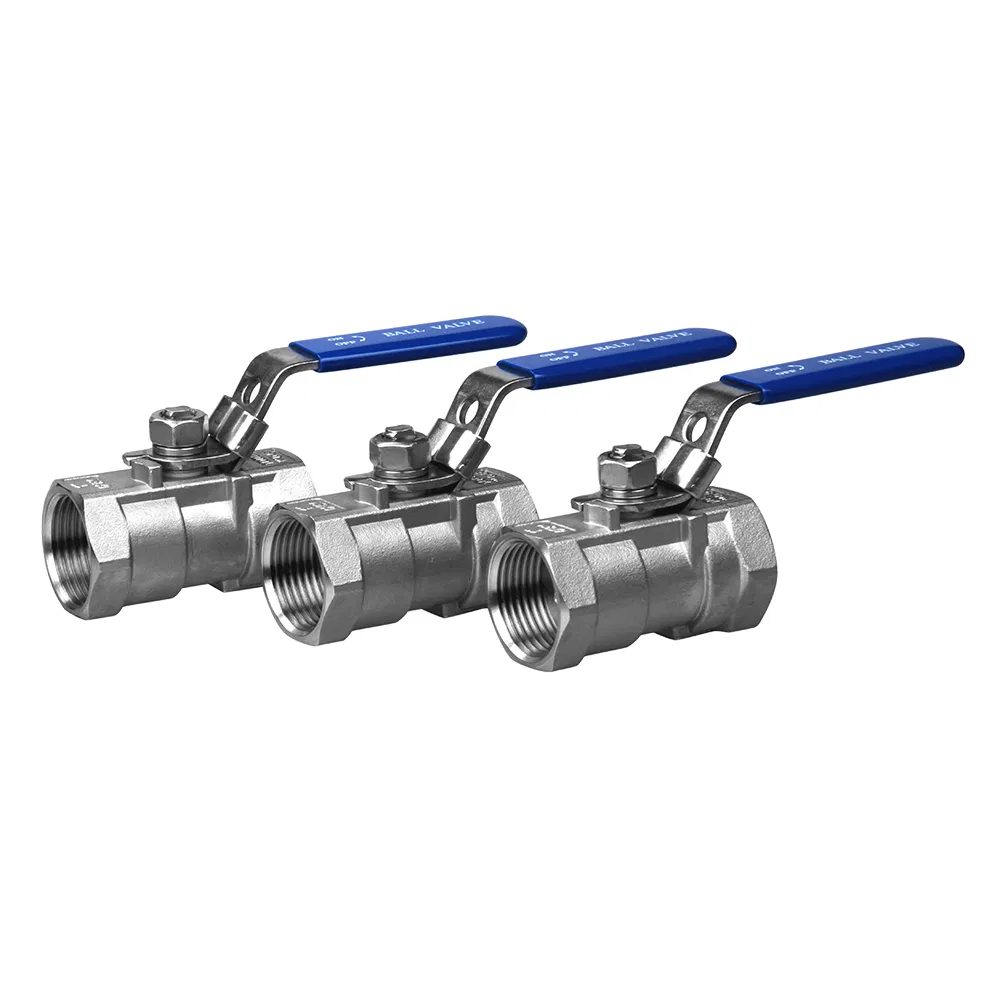
3. Ball Valves
Offer quick, quarter-turn operation with excellent shut-off capabilities.
- Primary Function: Quick isolation.
- Common Types: Floating ball, trunnion-mounted, full port, reduced port.
- Fire-Safe Design: Standards: API 607, API 6FA, ISO 10497.
- Seat Materials: PTFE, RPTFE, Nylon, PEEK, Metal-seated for high temps.
4. Check Valves
Prevent backflow and protect equipment from reverse flow damage.
- Primary Function: Backflow prevention.
- Common Types: Swing check, tilting disc, dual plate, piston lift, nozzle check.
- Cracking Pressure: The minimum upstream pressure required to open the valve.
- Important for sizing: Closing characteristics to prevent water hammer.
Detailed Material Selection Guide
The compatibility of valve materials with the process media is non-negotiable for longevity. Below is a specification table for common body materials available at industrial-equipments.com.
| Material Grade | Common Designation | Key Properties | Typical Applications | Max Temp. Range |
|---|---|---|---|---|
| Carbon Steel | A216 WCB | Good tensile strength, cost-effective, weldable. | Water, steam, oil, gas. | Up to 425°C |
| Stainless Steel 304 | A351 CF8 | Excellent corrosion resistance, hygienic. | Food & Beverage, chemicals, marine. | Up to 800°C |
| Stainless Steel 316 | A351 CF8M | Superior to 304 due to Molybdenum content. | Chloride environments, petrochemical. | Up to 800°C |
| Duplex Stainless Steel | A995 4A/5A | High strength, excellent stress corrosion cracking resistance. | Offshore, seawater, sour service. | Up to 300°C |
| Alloy 20 | A351 CN7M | Outstanding resistance to sulfuric acid and chlorides. | Chemical processing, pharmaceuticals. | Up to 425°C |
| Bronze | C95800, C86400 | Good corrosion resistance in seawater, machinable. | Marine, plumbing, general service. | Up to 250°C |
Actuation and Automation Specifications
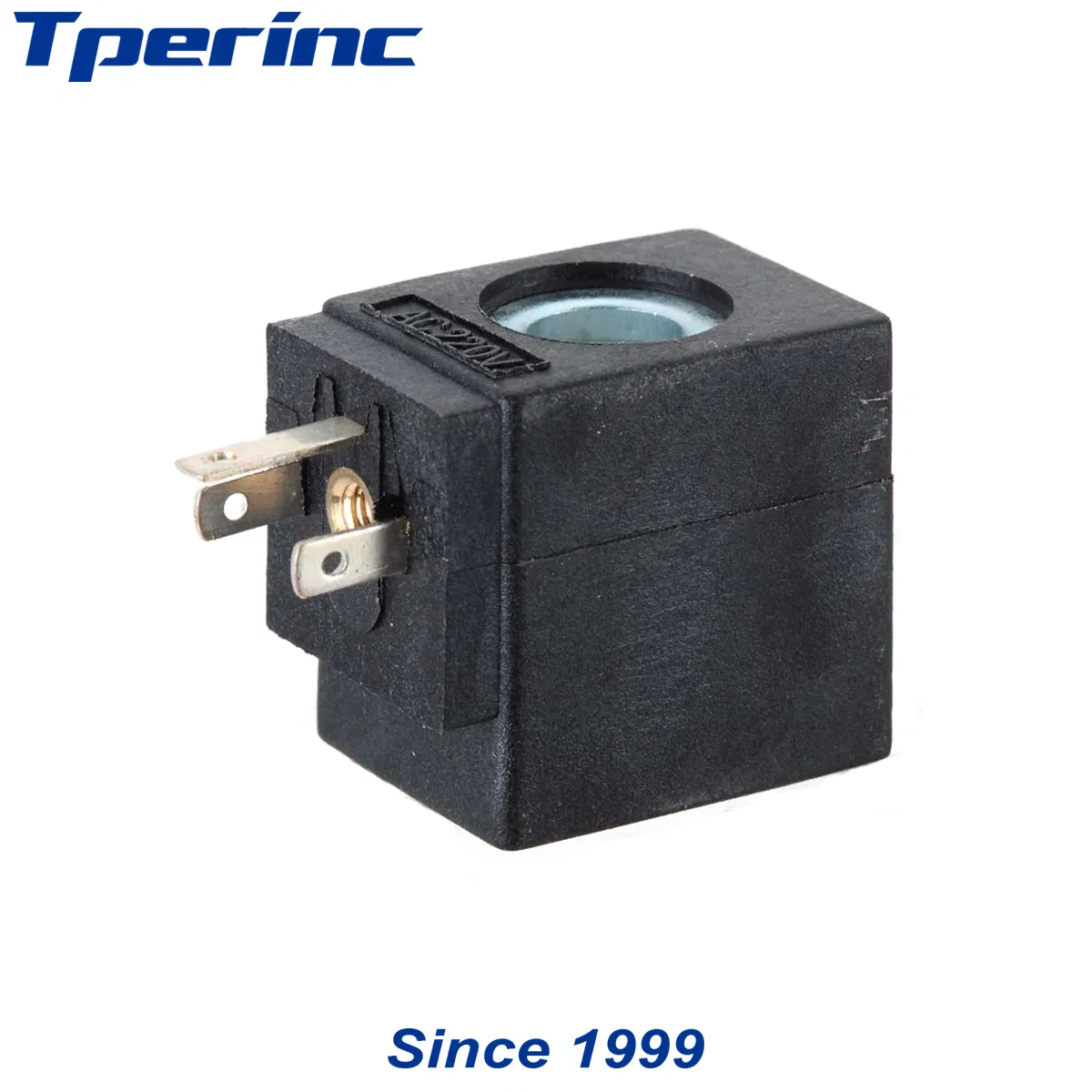
Automating valves enhances control and allows integration into SCADA systems. Key specs for actuators include:
- Type: Electric (multi-turn, quarter-turn), Pneumatic (scotch-yoke, rack & pinion), Hydraulic.
- Torque/Thrust Output: Must exceed valve requirements with a safety factor (typically 1.5x).
- Control Signal: 4-20mA, 0-10V for modulating control; On/Off for isolation.
- Fail-Safe Mode: Fail-close (air-to-open), Fail-open (air-to-close), or Lock-in-last-position.
- Enclosure Rating: IP67/IP68 for water/dust, NEMA 4X, Explosion-proof (ATEX, IECEx).
Frequently Asked Questions (FAQ) About Industrial Valves
Q: What is the difference between a gate valve and a globe valve?
A: The fundamental difference lies in their operation and purpose. A gate valve uses a flat or wedge-shaped gate that moves perpendicular to the flow path. It is designed for full open or full close service, offering minimal flow resistance when open. It should not be used for throttling. A globe valve, with its spherical body and plug/disc stem, is designed specifically for regulating or throttling flow. The flow path changes direction, creating higher pressure drop but allowing for precise control of flow rate. At industrial-equipments.com, our specialists can help you select the correct type based on your need for isolation versus control.
Q: How do I determine the correct valve size for my pipeline?
A: Valve size is primarily determined by the nominal pipe size (NPS/DN). However, correct sizing involves more than just matching pipe diameter. You must calculate the Flow Coefficient (Cv or Kv) required for your application. This is a function of the fluid type, desired flow rate, and the pressure drop across the valve. An undersized valve will restrict flow, while an oversized valve can be costly, lead to poor control (in globe valves), and increase wear. Our engineering team at industrial-equipments.com uses advanced software to perform these calculations and recommend the optimal size and trim.
Q: What does "fire-safe" certification mean for a ball valve?
A: A fire-safe certified valve is designed to maintain its sealing integrity and operability for a specified period during and after exposure to fire. Standards like API 607 and API 6FA define rigorous tests where the valve is subjected to direct flame while under pressure. A fire-safe valve will have secondary metal-to-metal sealing surfaces that engage if the primary soft seals (like PTFE) are destroyed by heat. This prevents catastrophic leakage of flammable media, which could fuel the fire. Always specify fire-safe valves for critical hydrocarbon service.
Q: What are the main causes of valve failure, and how can they be prevented?
A: Common failure modes include leakage (from seats/packing), corrosion, cavitation, and mechanical binding. Prevention is rooted in correct initial selection and maintenance. Leakage often stems from incompatible seat materials or thermal cycling; selecting the correct trim material for your process conditions is key. Corrosion is mitigated by choosing the appropriate body material (e.g., 316 SS over carbon steel for chlorides). Cavitation occurs in control valves when pressure drops too low; it's prevented by selecting anti-cavitation trim or staging the pressure drop across multiple valves. Regular preventive maintenance, including lubrication and seal replacement per manufacturer schedules, is crucial.
Q: When should I choose a metal-seated valve over a soft-seated valve?
A: The choice hinges on temperature, abrasion, and required sealing class. Soft seats (PTFE, elastomers) offer excellent bubble-tight shut-off (Class VI) and are suitable for most general services up to their temperature limits (e.g., ~200°C for PTFE). Metal-seated valves (with hardened stainless steel or Stellite seats) are used for extreme conditions: very high temperatures (above 400°C), highly abrasive slurries, or where fire-safe performance is mandated. The trade-off is that metal-to-metal seats typically have a higher allowable leakage rate (Class IV or V) compared to soft seats when new.
Q: How do I interpret pressure class ratings like ANSI 300 or PN40?
A: Pressure class (ANSI/ASME) and Pressure Nominal (PN) indicate the maximum allowable pressure a valve can handle at a given temperature. ANSI Class (e.g., 150, 300, 600) is common in North America, while PN (e.g., PN16, PN40, PN100) is European. ANSI Class 300 does not mean 300 PSI; it's a dimensionless number. An ANSI Class 300 valve in carbon steel is rated for ~740 PSI at ambient temperature. The rating decreases as temperature increases. Always consult the pressure-temperature rating charts specific to the valve material, available in our datasheets at industrial-equipments.com, to ensure safe operation.
Q: What information is critical to provide when requesting a valve quote?
A: Providing comprehensive data ensures you receive an accurate quote for a fit-for-purpose valve. Essential information includes: 1) Fluid Media (chemical composition, concentration), 2) Operating Pressure and Temperature (max/min), 3) Flow Rate and required Cv, 4) Valve Function (On/Off, Throttling, Backflow Prevention), 5) Pipe Size and Connection Standard (ASME, DIN), 6) Material Preferences (Body, Trim, Seat), 7) Actuation Requirements (manual, electric, pneumatic), and 8) any special certifications (NACE MR0175 for sour service, PED/CRN, FDA).
- View as