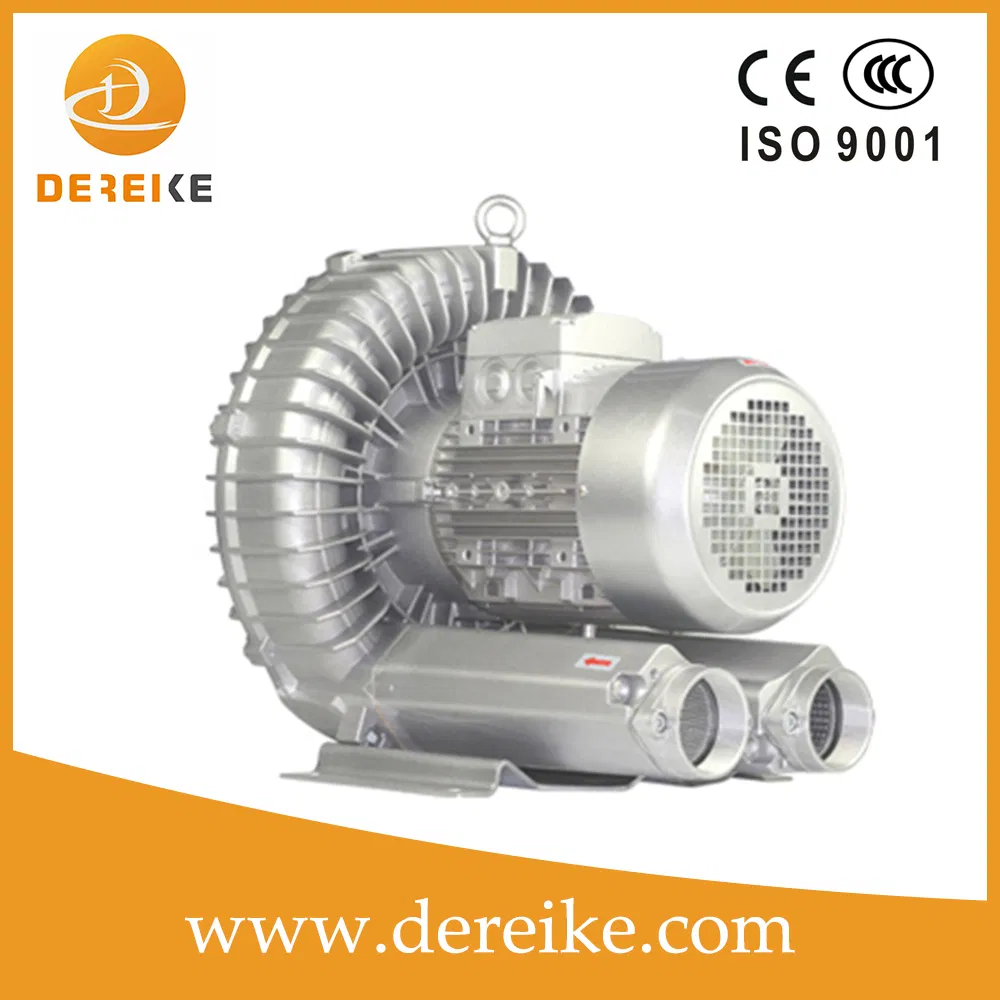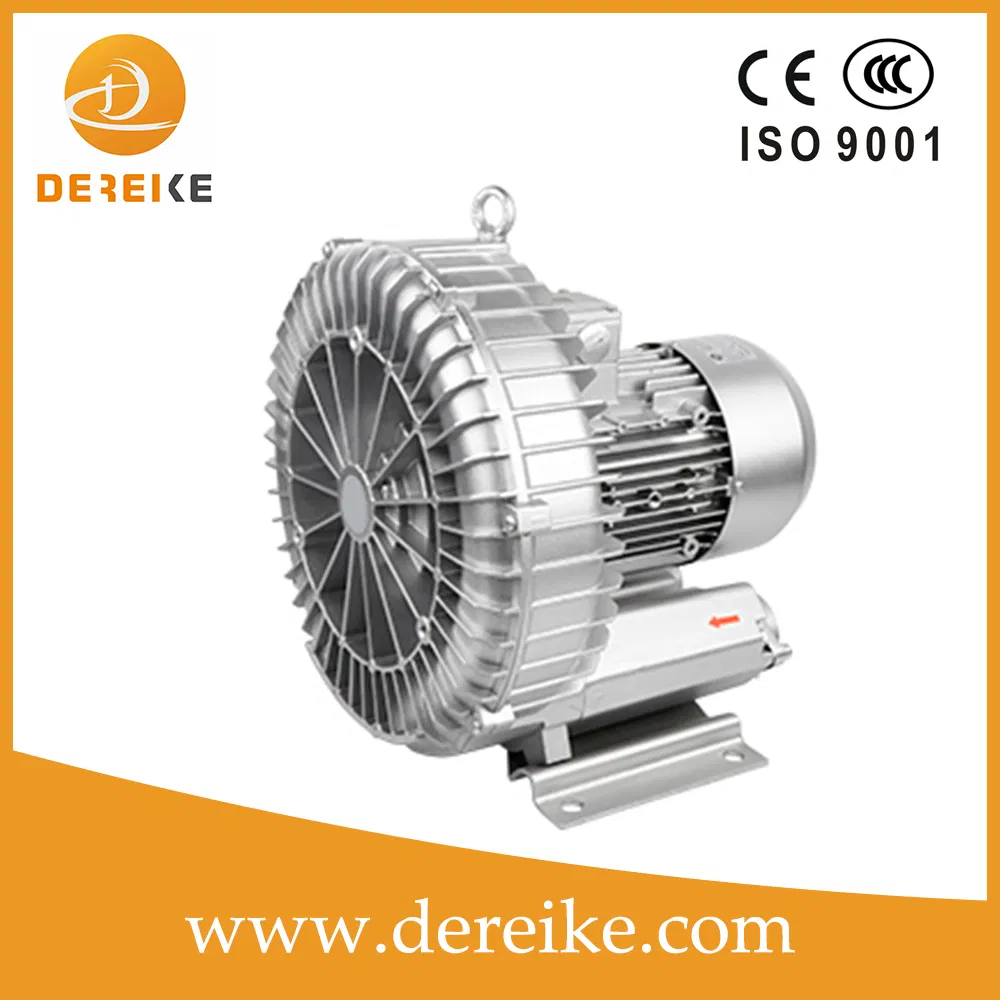

Pumps
Powering Industry: A Comprehensive Guide to High-Performance Pumps
In the world of industrial operations, efficiency and reliability are paramount. At the core of countless processes—from chemical transfer and water treatment to food processing and oil & gas extraction—lies a critical component: the industrial pump. Selecting the right pump is not merely a purchase; it's an investment in the smooth, safe, and cost-effective running of your facility. With over two decades of expertise in the field, industrial-equipments.com provides this detailed guide to help you navigate the complex landscape of industrial pumping solutions, ensuring you make an informed decision backed by technical clarity.
Understanding Pump Types and Their Applications
Industrial pumps are broadly categorized based on their method of moving fluid. The correct selection hinges on the fluid properties (viscosity, abrasiveness, temperature), flow rate, pressure requirements, and system design.
Centrifugal Pumps
These are the most common type, using a rotating impeller to impart kinetic energy to the fluid, which is then converted to pressure. Ideal for low-viscosity, clean fluids.
- Applications: Water supply, HVAC, light chemical transfer, irrigation.
- Key Advantages: Simple design, smooth flow, high flow rates.
Positive Displacement Pumps
These pumps trap a fixed volume of fluid and force (displace) it into the discharge pipe, making them excellent for high-viscosity fluids or applications requiring precise metering.
- Sub-Types & Applications:
- Reciprocating (Piston/Plunger/Diaphragm): High-pressure cleaning, oil and gas production, paint spraying.
- Rotary (Gear, Lobe, Screw, Vane): Fuel transfer, polymer & resin dosing, food & beverage processing.
- Key Advantages: Handles viscous fluids efficiently, constant flow regardless of pressure, good for metering.
Critical Technical Parameters for Pump Selection
Understanding these specifications is crucial for matching a pump to your system's demands. Here are the primary parameters to consider:
| Parameter | Description | Typical Units | Why It Matters |
|---|---|---|---|
| Flow Rate (Capacity) | The volume of fluid moved per unit of time. | Gallons per Minute (GPM), Cubic Meters per Hour (m³/h) | Determines how quickly a process can be completed. Must meet system demand. |
| Head (Total Dynamic Head - TDH) | The total pressure the pump must overcome, including static lift, friction losses, and pressure at the discharge point. | Feet (ft), Meters (m), Pounds per Square Inch (PSI) | Ensures the pump can deliver fluid to the required height and distance against system resistance. |
| Power (Motor Rating) | The input power required to drive the pump shaft. | Horsepower (HP), Kilowatts (kW) | Sizing the motor correctly prevents underperformance or energy waste and motor burnout. |
| Net Positive Suction Head Required (NPSHr) | The minimum pressure required at the pump inlet to prevent cavitation (formation of damaging vapor bubbles). | Feet (ft), Meters (m) | Must be less than the NPSH Available (NPSHa) in your system. Critical for pump longevity. |
| Efficiency | The ratio of hydraulic power output to mechanical power input. | Percentage (%) | A higher efficiency pump reduces energy consumption and operational costs significantly over its lifespan. |
| Material of Construction | The materials used for wetted parts (casing, impeller, seals). | Cast Iron, Stainless Steel (304/316), Alloy 20, Hastelloy, PTFE | Essential for corrosion resistance and compatibility with the fluid being pumped (e.g., chemicals, sanitary fluids). |
Detailed Product Specifications (Example Model Range)
To illustrate professional specification presentation, below is an example data sheet format similar to what you would find for premium pumps at industrial-equipments.com.
| Centrifugal Pump Series CPX-300: Heavy-Duty Process Pumps | ||||
|---|---|---|---|---|
| Model | Flow Rate (Max) | Total Head (Max) | Motor Power | Material Options |
| CPX-305 | 150 GPM / 34 m³/h | 120 ft / 37 m | 7.5 HP / 5.5 kW | Cast Iron, 316SS |
| CPX-310 | 300 GPM / 68 m³/h | 200 ft / 61 m | 20 HP / 15 kW | 316SS, Alloy 20 |
| CPX-320 | 600 GPM / 136 m³/h | 180 ft / 55 m | 30 HP / 22 kW | 316SS, Duplex Stainless |
| Positive Displacement Pump Series PD-100: Metering & Transfer Pumps | |||
|---|---|---|---|
| Model | Type | Max Pressure | Max Viscosity |
| PD-110 | Diaphragm Metering | 250 PSI / 17 bar | 500 cP |
| PD-120 | Rotary Lobe | 145 PSI / 10 bar | 100,000 cP |
| PD-130 | Progressive Cavity | 350 PSI / 24 bar | 1,000,000 cP |
Pumps FAQ: Expert Answers to Common Questions
Q: How do I choose between a centrifugal pump and a positive displacement pump?
A: The choice primarily depends on the fluid viscosity and the required flow/pressure relationship. For thin, watery fluids (like water or solvents) where you need high flow at relatively low to medium pressure, a centrifugal pump is typically more efficient and cost-effective. For thick, syrupy fluids (like oils, slurries, or creams) or when you need a constant flow rate regardless of discharge pressure changes (as in metering), a positive displacement pump is mandatory. Additionally, if system pressure could rise to a point that would dangerously reduce flow in a centrifugal pump, a PD pump with a relief valve is safer.
Q: What is cavitation, and how can I prevent it?
A: Cavitation occurs when the pressure at the pump inlet drops below the vapor pressure of the fluid, causing tiny vapor bubbles to form. These bubbles then collapse violently when they reach high-pressure zones inside the pump, causing noise, vibration, and severe damage to impellers and casings. Prevention focuses on ensuring sufficient Net Positive Suction Head Available (NPSHa). This can be achieved by: lowering the pump elevation relative to the fluid source, increasing the diameter of suction piping to reduce friction losses, ensuring suction strainers are clean, and selecting a pump with a lower NPSH Required (NPSHr). industrial-equipments.com engineers always perform NPSH calculations during the selection process.
Q: Why is pump material selection so critical?
A: The material must withstand both the chemical attack (corrosion) and potential physical wear (abrasion, erosion) from the fluid. An incorrect choice can lead to rapid failure, contamination of the process fluid, and costly downtime. For example, standard cast iron is fine for clean water but will corrode quickly with acidic chemicals. Stainless Steel 316 offers excellent general corrosion resistance. For highly aggressive chlorides or acids, super-alloys like Hastelloy or non-metallics like PTFE-lined pumps are necessary. Always consult a chemical compatibility chart and provide your supplier with a complete fluid analysis.
Q: How often should I perform maintenance on my industrial pump?
A: Maintenance frequency is not one-size-fits-all; it depends on the pump type, duty cycle, and operating conditions. Key indicators include monitoring vibration levels, bearing temperatures, and seal leakage. As a general guideline:
- Daily/Weekly: Check for unusual noise, vibration, or leaks. Monitor pressure and flow gauges.
- Monthly/Quarterly: Lubricate bearings as per manufacturer specs (if not sealed for life). Check and tighten bolts.
- Annually/Bi-Annually: Perform a comprehensive overhaul: inspect and replace mechanical seals or packing, check impeller and wear rings for clearance, and assess bearing condition. Always follow the specific maintenance schedule outlined in the pump's OEM manual.
Q: Can industrial-equipments.com help with custom pump solutions for unique applications?
A: Absolutely. While we stock a vast range of standard pumps engineered for common industrial tasks, many applications present unique challenges—extreme temperatures, ultra-high purity requirements, handling abrasive slurries, or specific ATEX/Certified explosion-proof needs. Our technical team specializes in developing tailored solutions. This can involve custom material selections, specialized seal arrangements (double seals, gas barrier seals), modified hydraulic designs, or complete skid-mounted packaged systems. We collaborate closely with clients from the initial process review through to installation support.
- View as