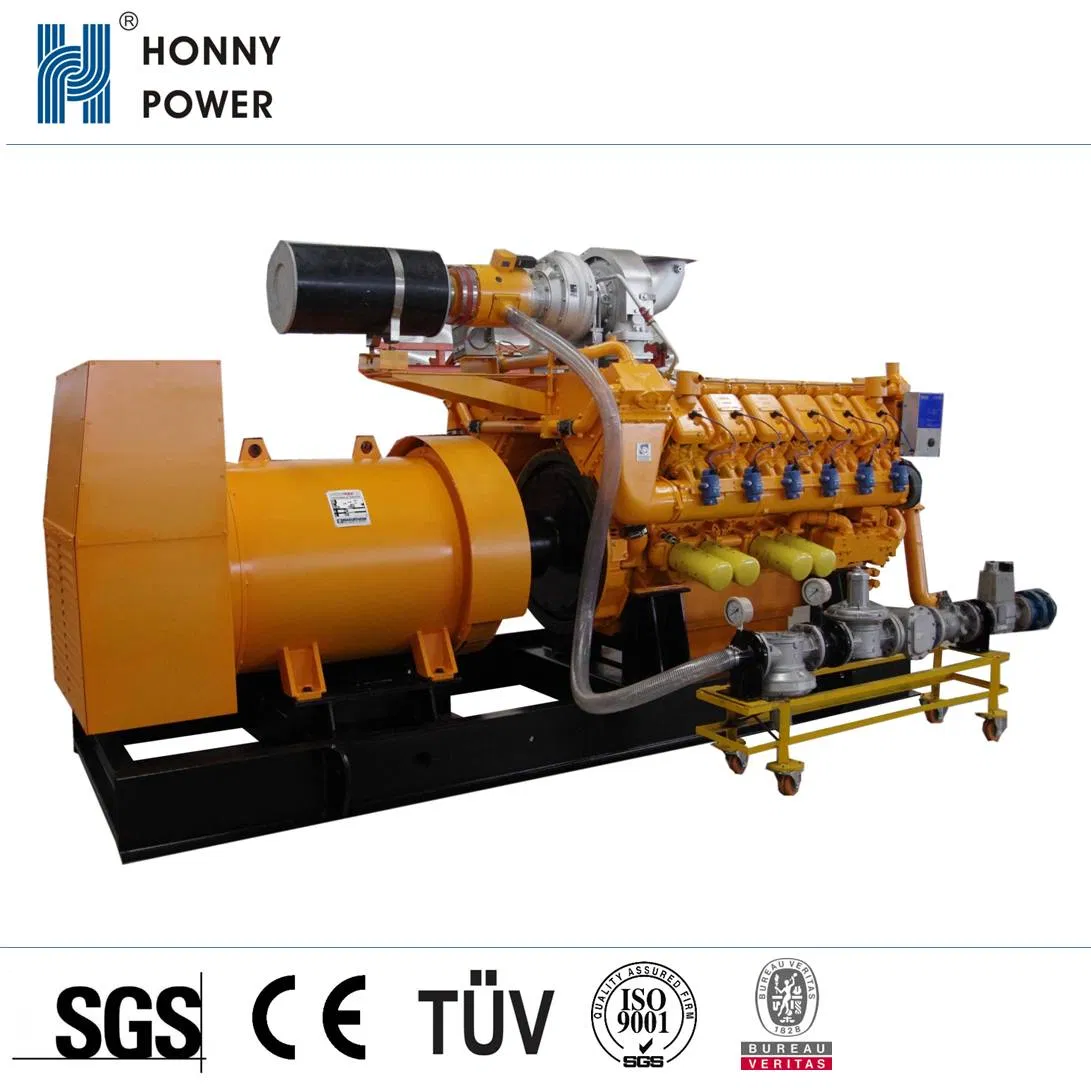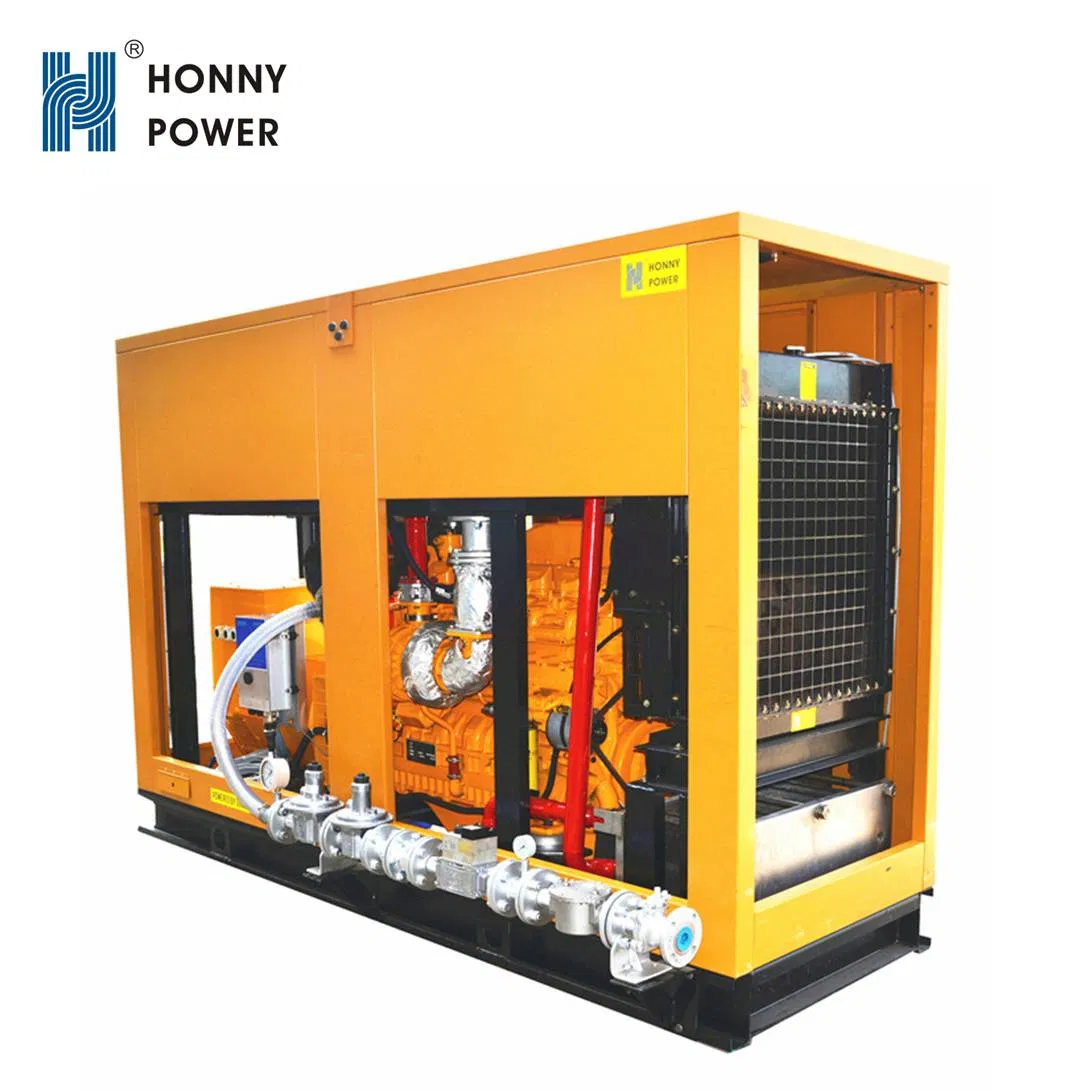

Gas Generator
Powering Your World: The Ultimate Guide to Industrial Gas Generators
In today's demanding industrial landscape, a reliable and efficient power source isn't just an asset; it's an absolute necessity. When the grid fails or you're operating in a remote location, your entire operation hinges on the performance of your backup or primary power system. This is where a high-performance Gas Generator becomes the cornerstone of productivity and safety. At industrial-equipments.com, we understand the critical role this equipment plays, which is why we offer a curated selection of top-tier generators designed to meet the rigorous demands of various applications, from construction sites and manufacturing plants to data centers and healthcare facilities.
A gas generator operates by converting the chemical energy from fuels like natural gas or propane into electrical energy through an internal combustion engine coupled with an alternator. This process provides a stable and clean power output suitable for sensitive electronics, heavy machinery, and everything in between. The advantages are numerous: often lower fuel costs compared to diesel (depending on local pricing), cleaner emissions, quieter operation in many models, and the convenience of using readily available utility gas lines for stationary units.
Key Product Features & Specifications
Choosing the right gas generator requires a careful analysis of your specific power needs and operational environment. Our generators at industrial-equipments.com are engineered with robust features for durability, safety, and user convenience.
Core Features:
- Advanced Alternator Design: Provides clean, stable sine wave power (<5% THD) to protect sensitive equipment like servers, medical devices, and telecommunications gear.
- Durable Engine: Industrial-grade engines from reputable manufacturers, built for long service intervals and reliable starts under various conditions.
- Comprehensive Control Panel: Features intuitive digital displays for real-time monitoring of voltage, frequency, running hours, and engine diagnostics. Includes circuit breakers and output receptacles.
- Automatic Voltage Regulator (AVR): Ensures consistent voltage output despite load fluctuations, preventing damage to connected equipment.
- Sound-Attenuated Enclosures: Available on select models to significantly reduce operational noise, ideal for urban sites or noise-sensitive environments.
- Transfer Switch Ready: Seamless integration with automatic transfer switches (ATS) for true standby power applications during utility outages.
- Low-Emission Technology: Engineered to meet stringent environmental regulations, reducing your carbon footprint.
Detailed Technical Specifications
To make an informed decision, review the technical parameters of our flagship models. The table below outlines the specifications for our mid-range industrial series. Custom configurations are also available.
| Model Series | Power Rating (Standby/Prime) | Engine Type & Displacement | Fuel Type | AC Output (Volts/Phases/Hz) | Dimensions (L x W x H inches) | Sound Level @ 7m (dBA) | Fuel Consumption @ 75% Load |
|---|---|---|---|---|---|---|---|
| IGP-50 | 50 kW / 45 kW | 4-Cylinder, Turbocharged, 3.0L | Natural Gas / Propane | 120/240V, 1&3-Phase, 60Hz | 78 x 32 x 45 | 68 | 8.5 cu ft/hr (NG) |
| IGP-100 | 100 kW / 90 kW | 6-Cylinder, Naturally Aspirated, 6.8L | Natural Gas / Propane | 120/208/240/480V, 3-Phase, 60Hz | 95 x 38 x 52 | 72 | 16.2 cu ft/hr (NG) |
| IGP-200 | 200 kW / 180 kW | V8, Turbocharged, 8.7L | Natural Gas / Propane | 277/480V, 3-Phase, 60Hz | 120 x 45 x 65 | 75 | 32.8 cu ft/hr (NG) |
| IGP-350 | 350 kW / 315 kW | V12, Turbocharged & Aftercooled, 14.0L | Natural Gas | 480V, 3-Phase, 60Hz | 150 x 55 x 78 | 78 | 58.5 cu ft/hr (NG) |
Note: Specifications are subject to change. Please contact industrial-equipments.com for the most accurate and model-specific data, including optional features like trailer mounting, enhanced cooling systems, and remote monitoring capabilities.
Gas Generator FAQs: Expert Answers to Common Questions
Q: What is the main difference between standby and prime power ratings?
A: Standby power rating (often labeled as "ESP" or "Emergency Standby Power") is the maximum power a generator can supply for a limited duration during a utility outage, typically not exceeding 200-500 hours per year. It assumes an average load factor of 70-80%. Prime power rating (or "PRP" - Prime Rated Power) is the maximum power available for an unlimited number of hours annually at a variable load. It's for applications where the generator is the primary source of power. Always size your generator based on the prime rating for continuous use.
Q: Can I switch a gas generator between natural gas and propane?
A: Many models, like those offered by industrial-equipments.com, are configured as bi-fuel units from the factory. They come with a specifically calibrated carburetion system or fuel controller to safely operate on both fuels. However, switching requires a manual changeover kit or an automatic system, and it is crucial to follow the manufacturer's instructions. Note that power output may decrease slightly when running on propane compared to natural gas.
Q: How often does a natural gas generator require maintenance?
A: While gas generators generally have cleaner combustion than diesel, regular maintenance is non-negotiable for reliability. A standard schedule includes: checking oil and coolant levels every 50 hours, changing oil and filters every 200-250 running hours or at least annually, inspecting spark plugs and ignition system every 500 hours, and exercising the generator under load for at least 30 minutes monthly to keep components lubricated and prevent "wet stacking." A comprehensive annual service by a qualified technician is highly recommended.
Q: Are gas generators suitable for powering sensitive electronic equipment?
A: Absolutely, provided the generator is equipped with the right technology. Look for models featuring an electronic governor for precise frequency control and an alternator that produces a pure sine wave with low Total Harmonic Distortion (THD), ideally under 5%. This ensures the power is as clean and stable as utility power, protecting computers, medical imaging devices, and sophisticated industrial controllers from damage.
Q: What size gas generator do I need for my facility?
A: Sizing is critical. An undersized unit will be overloaded and fail, while an oversized one will be inefficient and cause maintenance issues. The process involves: 1) Creating a detailed list of all critical loads (including their starting watts, which are often 3x their running watts), 2) Calculating the total simultaneous wattage required, 3) Adding a safety margin of 10-25%. It is best practice to consult with the engineering team at industrial-equipments.com who can perform a professional load analysis and recommend the perfect model for your operational and budgetary requirements.
Q: How does the installation process work for an industrial gas generator?
A: Professional installation is mandatory. The process involves: site preparation and pouring a reinforced concrete pad, connecting the fuel supply line (requiring work by a licensed plumber/gas fitter), installing electrical conduits and the automatic transfer switch (ATS) by a qualified electrician, setting up exhaust ventilation, and finally, commissioning the system which includes load bank testing to verify performance under full load. industrial-equipments.com can provide detailed installation manuals and often partners with certified installers nationwide.
Applications Across Industries
The versatility of modern gas generators makes them indispensable across a wide spectrum of sectors. Their reliability and cleaner operation are key selling points.
- Construction: Providing primary power for tools, lighting, and site offices where grid connection is unavailable.
- Manufacturing & Plants: Acting as standby power to prevent costly production halts, spoilage, and data loss during outages.
- Commercial Buildings: Keeping essential systems like elevators, security, and emergency lighting operational.
- Healthcare: Critical for hospitals and clinics to maintain life-saving equipment, refrigeration for medicines, and basic lighting.
- Data Centers & Telecom: Ensuring 24/7 uptime for servers and network infrastructure with seamless ATS integration.
- Agriculture: Powering irrigation systems, milking machines, and climate-controlled barns.
- Events & Hospitality: Supplying clean, quiet power for outdoor events, weddings, and resorts.
Why Source Your Gas Generator from industrial-equipments.com?
Selecting a partner for your critical power infrastructure is as important as selecting the equipment itself. At industrial-equipments.com, we differentiate ourselves through more than just a product catalog. Our expertise, built on decades of industry experience, allows us to provide tailored solutions. We offer comprehensive support from the initial consultation and load analysis through to post-installation service. Our inventory features generators from leading manufacturers, all held to rigorous quality standards. Furthermore, we maintain a vast selection of genuine parts and offer flexible maintenance contracts to ensure your Gas Generator operates at peak efficiency for its entire lifecycle, maximizing your return on investment and minimizing operational risk.
- View as